Leave Your Message

Top 10 Benefits of Diesel Engine Technology for Modern Vehicles?

The evolution of Diesel Engine technology has reshaped modern vehicles in significant ways. Dr. Jane Thompson, an expert in automotive engineering, states, “Diesel engines represent a balance of efficiency and power.” This encapsulates the draw of Diesel Engines in today’s market. Their ability to deliver robust performance while maintaining fuel efficiency is remarkable.

Diesel Engines are not just about raw power. They offer longevity and durability, making them a preferred choice for long-haul transportation. Yet, challenges remain. Emissions have been a stumbling block, drawing scrutiny from regulators and environmentalists. Improvements are necessary to meet stricter standards.

Despite these hurdles, the advantages of Diesel Engine technology cannot be overlooked. They support advancements such as turbocharging and direct fuel injection. Each innovation pushes the boundaries of performance and efficiency. Diesel Engines are vital in reducing carbon footprints when compared to gasoline alternatives. However, balancing performance with environmental concerns will require ongoing innovation and commitment.

Top 10 Benefits of Diesel Engine Technology for Modern Vehicles?

Overview of Diesel Engine Technology and Its Development

Diesel engine technology has undergone significant advancements over the years. Initially developed for marine applications, it has found its way into the automotive sector. According to a 2022 report by the International Council on Clean Transportation, diesel engines are about 30% more fuel-efficient than their gasoline counterparts. This efficiency drives cost savings for consumers, making diesel a popular choice among long-haul trucks and commercial vehicles.

However, diesel technology isn’t without its concerns. Many cities have witnessed increased pollution levels linked to diesel exhaust. A study published in 2021 indicated that nitrogen oxides (NOx) emissions from diesel vehicles are significantly harmful, contributing to respiratory issues. The industry has responded with cleaner technologies like Selective Catalytic Reduction (SCR), which can reduce NOx emissions by up to 90%. This illustrates the dual nature of diesel technology—its benefits in fuel efficiency juxtaposed with its environmental impacts.

Moreover, the development of renewable diesel fuels shows promise. The U.S. Energy Information Administration reported a 12% increase in renewable diesel production from 2020 to 2021. This shift is essential for addressing sustainability concerns. Yet, questions remain regarding feedstock sources and land use. The evolution of diesel engines encapsulates a broader discussion about balancing efficiency with environmental stewardship.

Top 10 Benefits of Diesel Engine Technology for Modern Vehicles

Benefit Description Impact
Fuel Efficiency Diesel engines typically offer higher fuel efficiency compared to gasoline engines. Reduces fuel consumption and cost.
Torque Diesel engines generate more torque, making them suitable for heavy-duty applications. Better performance for transport and towing.
Durability Designed to withstand high compression, diesel engines have a longer lifespan. Lower maintenance and replacement costs.
Lower CO2 Emissions Diesel engines emit less CO2 per unit of power produced compared to gasoline engines. Reduced carbon footprint.
Energy Density Diesel fuel has a higher energy density, leading to better mileage. More driving range with less fuel.
Better Cold Weather Performance Diesel engines perform reliably in colder temperatures. Fewer start-up issues in winter.
Recyclability Components of diesel engines are often more recyclable than those of gasoline engines. Environmental benefits during disposal.
Incentives for Use Various governments offer tax incentives for using diesel technology. Cost savings for consumers.
Advanced Technology Modern diesel engines incorporate advanced tech for better performance and lower emissions. Improved efficiency and environmental impact.
Global Usage Diesel engines are widely used worldwide, supporting diverse applications. Versatility in various sectors like transportation, agriculture, and industry.

Fuel Efficiency: The Economic Advantage of Diesel Engines

Top 10 Benefits of Diesel Engine Technology for Modern Vehicles?

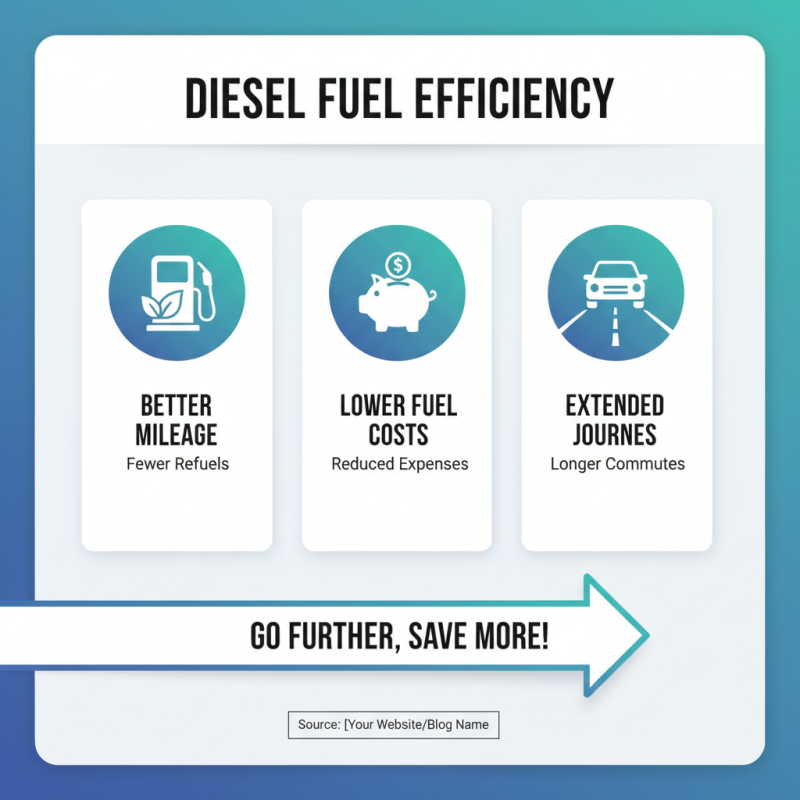
Diesel engines are known for their impressive fuel efficiency, making them a popular choice for modern vehicles. They often deliver better mileage compared to gasoline engines, which can significantly lower fuel costs. This advantage can translate to fewer trips to the gas station and reduced overall expenses. Drivers appreciate extending their journeys on a single tank of fuel, especially during long commutes.

However, fuel efficiency varies based on driving conditions and maintenance. For instance, city driving may not yield the same efficiency as highway driving. It's essential for owners to conduct regular maintenance to ensure optimal performance. Neglecting service can lead to increased fuel consumption over time. Many diesel vehicles require specific care, which isn't always convenient.

While the economic benefits are clear, they come with challenges. Initial costs of diesel vehicles may be higher than their gasoline counterparts. Some consumers hesitate because of the noise and emissions associated with diesel engines. These factors often create a perception issue. Balancing performance with environmental impact is a complex conversation that owners must navigate.

Environmental Impact: Emissions and Clean Technologies in Diesel

The environmental impact of diesel engines is a complex topic. Diesel engines are often seen as less harmful than gasoline engines due to their fuel efficiency. They consume less fuel and produce lower CO2 emissions per mile. This can lead to reduced greenhouse gas emissions in some scenarios, promoting cleaner air.

However, diesel engines emit nitrogen oxides and particulate matter, which can harm public health. These pollutants contribute to smog and respiratory issues. Modern technologies are addressing these concerns. Advanced filtration systems capture many harmful emissions. Clean diesel technologies are evolving, yet challenges remain.

While we celebrate the efficiency and advancements in diesel technology, we must reflect on their drawbacks. Not all diesel engines are equally clean. Some older models still operate without the latest technologies. This inconsistency complicates the narrative of diesel as a cleaner option. Continuous innovation is crucial to minimize the negative impacts. Balancing benefits and challenges requires ongoing effort.

Durability and Longevity: The Robust Nature of Diesel Engines

Diesel engines are celebrated for their durability and longevity. These engines are built to withstand harsh conditions. The heavy-duty components contribute to their robust nature. Engine blocks often feature cast iron, enhancing strength. This makes them less prone to wear and tear over time.

Another notable aspect is the fuel efficiency of diesel engines. With more energy per gallon, they require less frequent refueling. This not only saves money but also reduces emissions. However, they can be noisy and emit more nitrogen oxides. This is an area where improvement is necessary.

Maintenance is key for maximizing the lifespan of diesel engines. Regular oil changes and system checks can prevent major issues. However, some owners may overlook this, leading to costly repairs. Inconsistent upkeep can shorten their impressive life span. Embracing the potential for longevity means staying vigilant about care.

Top 10 Benefits of Diesel Engine Technology for Modern Vehicles

Applications: Versatility of Diesel Engines in Modern Vehicles

Top 10 Benefits of Diesel Engine Technology for Modern Vehicles?

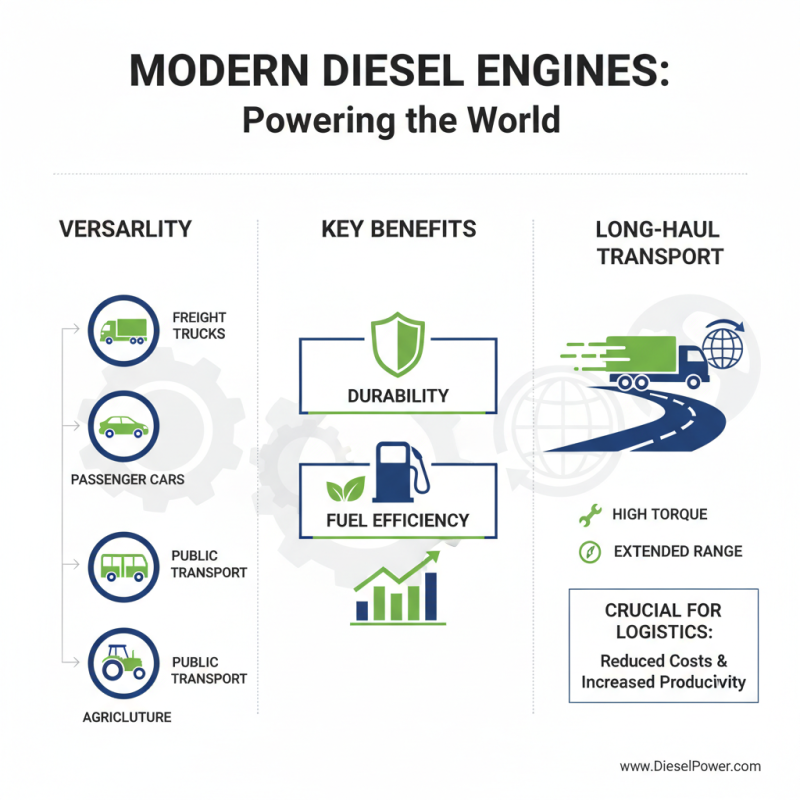
Diesel engines have become integral to modern vehicles, showcasing remarkable versatility. They power not only freight trucks but also passenger cars, buses, and agricultural machines. This broad applicability stems from their durability and fuel efficiency. For long-haul transport, diesel engines provide excellent torque and better range. This capability is crucial for logistics companies aiming to minimize costs and maximize productivity.

In urban settings, diesel engines power city buses, offering reliable public transportation. However, they are often scrutinized for environmental concerns. Although newer technologies improve emissions, some diesel vehicles still face criticism. The balance between performance and environmental impact needs careful consideration. Additionally, the shift to alternative fuels challenges the traditional diesel market.

In agriculture, diesel engines facilitate equipment like tractors and harvesters. They ensure necessary power for heavy tasks. Yet, farmers sometimes encounter high maintenance costs with older models. These challenges highlight the need for ongoing innovation and adaptation. Diesel engines remain significant, but their future may rely on enhancements and sustainable practices.