Leave Your Message

Top 10 Benefits of Using a Ditching Plow for Efficient Land Management?

In the realm of land management, the Ditching Plow plays a vital role. Experts emphasize its importance for optimizing soil drainage and crop yield. John Thompson, a renowned agronomist, stated, “A Ditching Plow is essential for sustainable agriculture.”

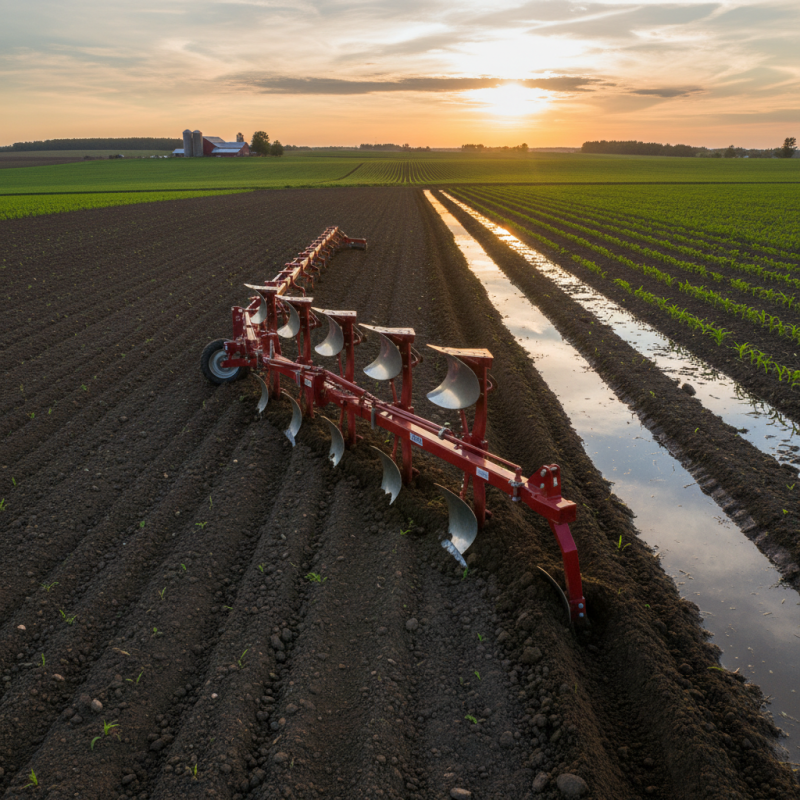
This powerful tool assists farmers in creating efficient drainage systems. It helps manage excess water while ensuring crops receive adequate moisture. The plow can transform a field by enhancing soil health and promoting better root growth. Efficient land use is key in today’s agriculture, and a Ditching Plow proves invaluable for achieving that goal.

However, the use of a Ditching Plow does have its challenges. Not all fields suit this method. Misjudging soil types can lead to ineffective results. Additionally, the initial investment can be significant. Farmers must carefully weigh the pros and cons. When used correctly, the Ditching Plow can revolutionize farming practices, making it a noteworthy consideration in land management discussions.
Top 10 Benefits of Using a Ditching Plow for Efficient Land Management?

Benefits of Enhanced Soil Aeration and Health with Ditching Plows

Ditching plows are essential for improving soil health. They create ditches that enhance drainage. This process prevents waterlogging, helping crops thrive. Good drainage leads to healthier root systems. Roots can access oxygen more easily, promoting overall plant growth.

Aerating soil is another benefit. The plow introduces air into compacted layers. When soil is well-aerated, it fosters microbial activity. These microorganisms break down organic matter. This creates nutrient-rich soil, crucial for robust plant life.

However, improper use can lead to issues. Over-aeration may disrupt existing ecosystems in the soil. It can destroy beneficial fungi and bacteria. Land managers should assess their soil conditions carefully. Regular monitoring is vital to ensure the benefits outweigh any potential drawbacks.
Cost Savings: How Ditching Plows Reduce Labor and Equipment Expenses

Ditching plows have become essential tools in land management. They offer significant cost savings by reducing both labor and equipment expenses. A recent industry report indicates that using a ditching plow can lower labor costs by nearly 30%. This is largely due to the efficiency these plows bring to land preparation tasks.

In many scenarios, traditional methods require multiple workers and extensive machinery. Ditching plows can often accomplish the same task with one or two operators. This streamlining leads to reduced hours spent on the job and less equipment needed overall. For instance, a study published in the Journal of Agricultural Maintenance highlights that ditching plows can perform three times more work in the same timeframe compared to conventional methods.

While ditching plows contribute to cost efficiency, they are not without challenges. Users may need to invest time in training operators to maximize the machine's potential. Some operators might struggle initially, leading to inefficiencies during the learning process. Moreover, soil conditions can affect performance. If not properly assessed, the wrong soil type could result in less effective ditching. Engaging with these tools means constantly evaluating their effectiveness against traditional methods.

Improving Water Management and Drainage Efficiency through Ditching Plows

Ditching plows play a vital role in improving water management. By creating efficient drainage systems, they help in controlling excess water. This can prevent flooding. It also allows for better soil aeration. Well-drained soil promotes healthy plant growth.

When using a ditching plow, consider the soil type. Sandy soils drain quickly, while clay retains water. Adjust the depth accordingly. Deep ditches can lead to issues if the soil can't support it. Keep an eye on local water tables too. Regular checks can prevent problems down the line.

Tip: Always mark your planned ditch layout. This helps minimize errors during digging. A clear plan reduces wasted time. Another tip: after installation, monitor the drainage effectiveness. Make adjustments as needed. Good drainage requires ongoing attention. It's not always perfect, and that's okay. Regular maintenance keeps everything running smoothly, allowing for efficient land use.

Top 10 Benefits of Using a Ditching Plow for Efficient Land Management

Benefit Description Impact on Water Management
Improved Drainage Enhances the removal of excess water from fields, reducing waterlogging and promoting healthier crops. Ensures optimal water levels for crops.
Soil Aeration Breaks up compacted soil, allowing air, water, and nutrients to penetrate more effectively. Promotes root development and plant health.
Increased Crop Yields Enhances the productivity of agricultural land through better management of water resources. Maximizes the efficiency of water usage in growth cycles.
Reduced Erosion Minimizes soil erosion by controlling water flow and sediment displacement. Protects soil health and fertility.
Cost Efficiency Reduces costs associated with water management by improving efficiency. Optimizes resource allocation for irrigation.
Time Savings Speeds up land preparation and maintenance activities. Allows for quicker planting and harvesting cycles.
Enhanced Soil Quality Increases the organic matter content and nutrients in the soil. Supports sustainable agricultural practices.
Water Retention Helps retain moisture during dry spells, improving stress resistance in crops. Conserves water resources effectively.
Pest Management Minimizes standing water, thereby reducing mosquito breeding and other pests. Improves overall crop health and reduces the need for pesticides.

Increasing Crop Yields: Impact of Ditching Plows on Agricultural Productivity

Ditching plows are becoming essential in modern agriculture, significantly impacting crop yields. According to recent studies, farms using ditching plows reported up to a 30% increase in productivity. This equipment effectively manages water drainage, preventing soil erosion and nutrient loss. Healthy soil leads to healthy crops. A strong correlation exists between improved soil moisture and higher yield outputs.

Proper land management is crucial for sustainable farming. Farmers have found that ditching plows create effective water management systems. They can manage excess water during heavy rains. Conversely, these plows help retain moisture during dry spells. This dual benefit keeps crops thriving. Data indicates that optimal moisture levels can enhance yields by up to 40%.

Tip: Regularly check the moisture levels in the soil. Make sure to adjust your ditching strategies based on seasonal rainfall. Relying solely on rainfall can lead to unexpected crop issues. It's also essential to assess soil structure. Different soils react differently to ditching practices. Understanding these differences can lead to better outcomes. Sometimes, farmers may overlook the importance of tailored approaches. A one-size-fits-all strategy often leads to suboptimal yields.

Environmental Impact: Sustainable Land Management Practices with Ditching Plows

Top 10 Benefits of Using a Ditching Plow for Efficient Land Management?

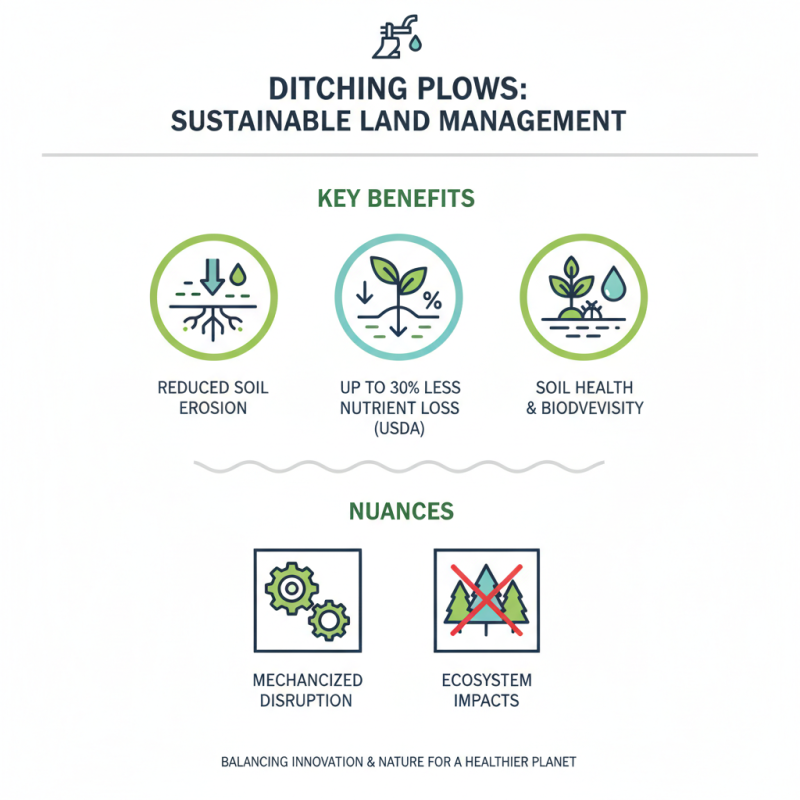
Ditching plows play a critical role in sustainable land management. They help reduce soil erosion by creating effective drainage systems. According to the USDA, proper drainage can decrease nutrient loss by up to 30%. This is vital for maintaining soil health, supporting crop productivity, and enhancing biodiversity. However, nuances exist. Over-reliance on mechanized solutions can disrupt natural ecosystems.

Their design allows for improved water management, leading to reduced runoff and flood risks. A research study indicated that optimized ditching practices can enhance water retention by up to 15%. Such retention supports local flora and fauna. Yet, this practice must be balanced. Excessive ditching can lead to soil compaction, which impairs root systems and overall soil quality.

Furthermore, the environmental footprint must be assessed. While ditching plows can aid in sustainable practices, their use can result in habitat disruption. A report by the Environmental Protection Agency mentions that land modifications must consider the long-term effects on wildlife. Engaging in careful planning can mitigate these impacts, cultivating an environment that benefits both agriculture and nature.