Top 10 Benefits of Using a Ridging Plough for Farming?
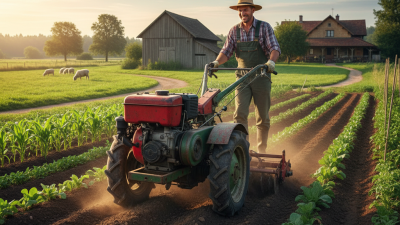
The Ridging Plough is a crucial tool in modern farming practices. Its design helps create well-defined ridges in the soil, enhancing crop growth. This method can significantly improve water drainage, reducing the risk of crop diseases. Farmers around the world have recognized its advantages, making it a popular choice.
Using a Ridging Plough can save time and labor. It enables farmers to cultivate larger areas efficiently. However, the effectiveness of this tool depends on proper usage and soil conditions. Not every soil type responds the same way. Some farmers may face challenges, such as compacted earth or rocky terrain. Therefore, understanding the specific needs of one’s land is essential.
Many studies highlight the benefits of using a Ridging Plough. Increased soil aeration is one of them. This fosters a healthy environment for plant roots. It also encourages better moisture retention. Yet, some farmers might overlook the maintenance of their ploughs. Regular checks and adjustments are necessary for optimal performance. Addressing these areas can lead to more successful farming outcomes.
Benefits of Enhanced Soil Aeration Through Ridging Plough Usage
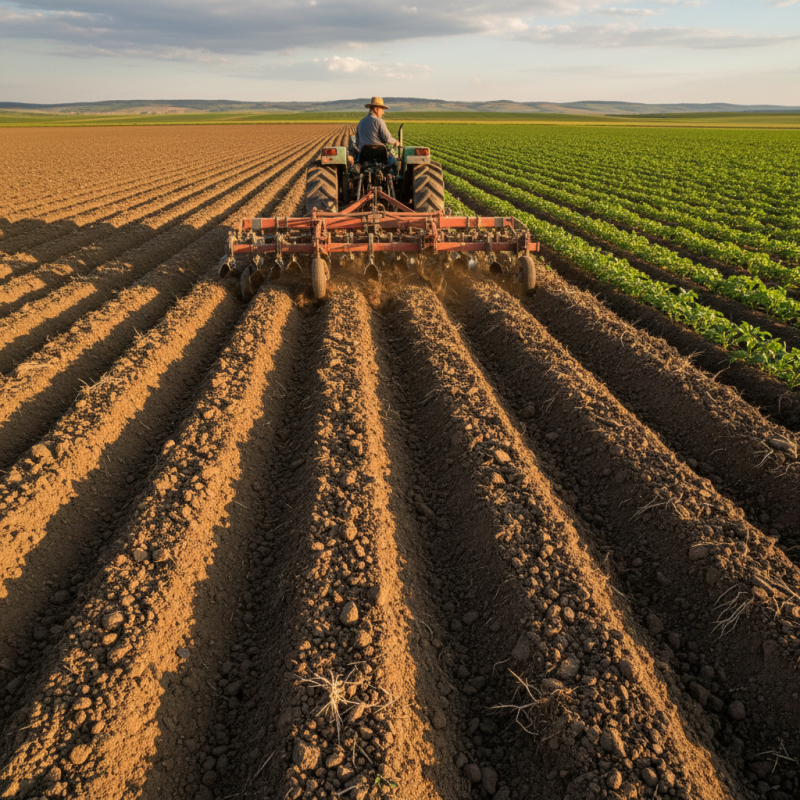
Enhanced soil aeration is a crucial benefit of using a ridging plough in farming practices. By creating ridges in the soil, this tool effectively improves air circulation. A study published in the Soil Science Society of America found that improved soil aeration can increase crop yields by up to 15%. Good aeration promotes root growth and nutrient uptake, allowing plants to thrive more effectively.
Ridging also helps to manage moisture levels. Farmers in regions with heavy rainfall often experience soil compaction. Ridging can alleviate this issue by allowing excess water to drain away, preventing root rot. According to research by the International Journal of Agronomy, farms practicing ridging showed a 20% reduction in waterlogging issues. This method can also enhance microbial activity, which is vital for soil health.
While ridging offers these advantages, it is not without challenges. The initial setup of ridging can require significant labor and time. Additionally, some farmers may encounter issues with uneven soil distribution. Proper training and planning are essential to maximize the benefits. Understanding local soil conditions plays a vital role in the effectiveness of ridging as a farming technique.
Top 10 Benefits of Using a Ridging Plough for Farming
| Benefit |
Description |
Impact on Soil |
| Enhanced Soil Aeration |
Improves air circulation in the soil. |
Promotes root health and growth. |
| Improved Water Drainage |
Facilitates excess water runoff. |
Reduces the risk of waterlogging. |
| Better Soil Structure |
Creates well-defined rows and furrows. |
Enhances soil stability and fertility. |
| Weed Control |
Helps suppress weed growth through cultivation. |
Increases crop yield potential. |
| Easier Crop Maintenance |
Simplifies tasks like fertilization and harvesting. |
Promotes uniform crop growth. |
| Soil Fertility Improvement |
Encourages microbial activity and nutrient cycling. |
Supports better crop health. |
| Time Efficiency |
Reduces the number of passes required for field preparation. |
Saves labor and operational costs. |
| Optimal Planting Depth |
Ensures seeds are planted at the right depth. |
Boosts seed germination rates. |
| Soil Erosion Reduction |
Minimizes soil erosion by maintaining soil cover. |
Protects topsoil integrity. |
| Increased Crop Diversity |
Facilitates planting of various crops in a single field. |
Enhances biodiversity and resilience. |
Improved Water Conservation Techniques with Ridging Plough
The use of a ridging plough can significantly enhance water conservation techniques in farming. This tool shapes the soil into ridges, which helps reduce water runoff. Research shows that ridging can lead to a water retention increase of up to 30%. Such improvement allows crops to have a more consistent water supply. Farmers can benefit from this, especially in regions prone to drought.
Additionally, ridging allows for better infiltration of water into the soil. When rain falls, water is directed into the furrows between ridges. This method makes it easier for plants to access water. Studies indicate that the efficiency of water use in ridged fields can increase by approximately 20 to 30%. Implementing this technique could significantly support sustainable farming practices.
However, adoption isn't without challenges. Some farmers might struggle with the initial learning curve and the adjustment to new planting strategies. It requires time and effort to understand the technique fully. Moreover, not all soil types are suited for ridging. Careful consideration and field testing are essential for successful implementation in different farming landscapes.
Increased Crop Yields and Productivity from Effective Soil Management
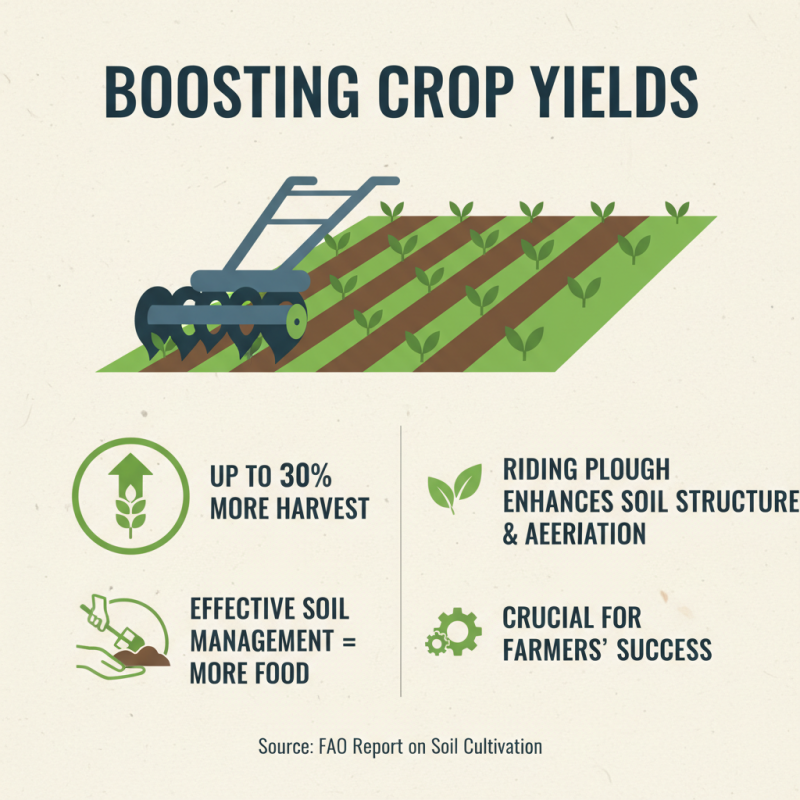
Using a ridging plough can significantly boost crop yields and productivity. Effective soil management is crucial for farmers seeking improved outputs. According to a report by the Food and Agriculture Organization, proper soil cultivation can increase yields by up to 30%. This figure highlights the importance of tools like ridging ploughs that enhance soil structure and aeration.
Ridging ploughs create furrows that optimize water retention. They also promote better root development. This feature leads to healthier plants and increased resilience against pests and diseases. A study published in the Journal of Agriculture showed that farmers using ridging techniques reported a 20% increase in crop health compared to traditional ploughing methods. However, it’s essential to note that not all soil types will respond equally. Some farmers may need to adjust their techniques based on local soil conditions.
Additionally, the initial investment in a ridging plough can be a barrier for many small-scale farmers. While the long-term benefits are considerable, the upfront costs may cause hesitation. Implementing this tool without proper training could also lead to underwhelming results. Therefore, due diligence and education are vital for reaping the full benefits of ridging ploughs in farming practices.
Reduction of Soil Erosion Risks by Utilizing Ridging Plough
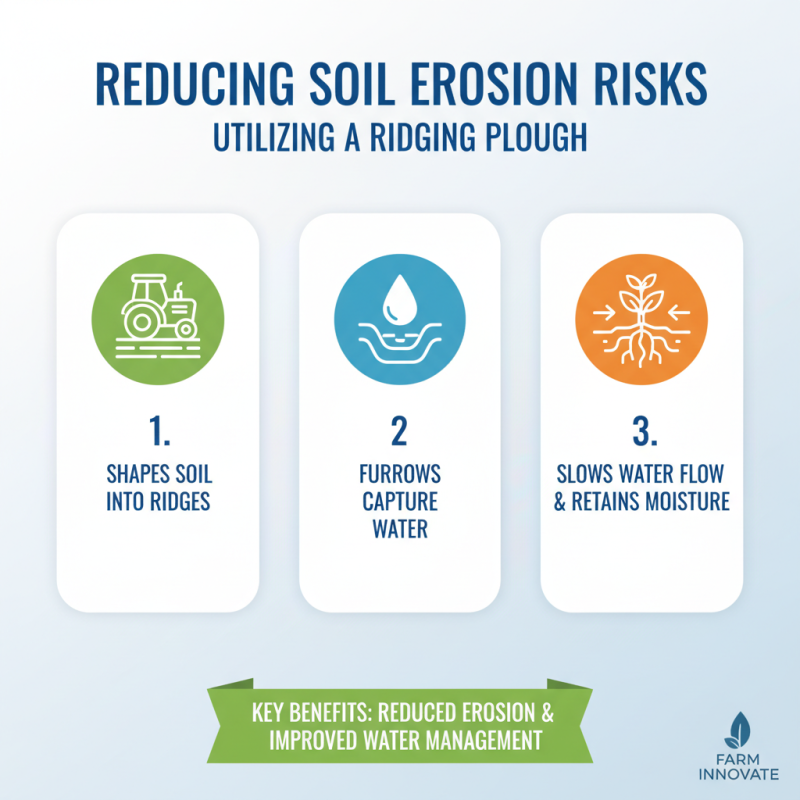
Utilizing a ridging plough significantly reduces soil erosion risks in farming. This innovative tool shapes the soil into ridges, creating furrows that capture water. Water management is vital, especially in areas facing heavy rainfall. Ridges slow down water flow, helping the soil retain moisture.
When rainfall occurs, the furrows channel excess water away from plant roots. This method preserves soil structure and prevents nutrient loss. In undulating terrains, ridging ploughs create natural barriers against erosion. Farmers often notice less topsoil displacement in fields prepared this way.
While the benefits are evident, there are challenges. Improper usage can lead to uneven ridge heights. This may cause water to pool in unwanted areas, damaging crops. Farmers should regularly check the plough settings to achieve the best results. Regular maintenance ensures the plough remains effective for years.
Facilitation of Sustainable Farming Practices Through Ridging Plough Technology
Ridging plough technology enhances sustainable farming practices significantly. This tool creates ridges, which help in better soil structure. Healthy soil is vital for high crop yields. Moisture retention improves when crops grow on ridges. This reduces the need for frequent irrigation, saving water resources.
Moreover, ridging prevents soil erosion. Excess rainwater runs off, carrying away vital nutrients. By forming ridges, farmers protect their soil. Additionally, weed growth is reduced in ridged fields. Weeds struggle to establish themselves in the compacted soil of ridges. This offers savings on herbicides as well.
However, the implementation of ridging ploughs is not without challenges. Farmers may find initial setup time consuming. Adapting to new techniques can also feel overwhelming. Some may worry about the effectiveness in diverse soil types. Despite these concerns, the benefits are clear and attainable. Embracing this technology enhances not only productivity but also environmental health.
Top 10 Benefits of Using a Ridging Plough for Farming