Discover the Best Corn Harvesters in China for Efficient Farming Solutions
Efficient farming relies heavily on advanced machinery, particularly the Corn Harvester. According to the China Agricultural Machinery Industry Association, sales of corn harvesters have increased by 25% over the past five years. This surge reflects farmers' growing recognition of their importance. As Dr. Liu Wei, an agricultural machinery expert, states, “A reliable corn harvester can significantly enhance productivity and reduce operational time.”
Farmers are seeking the best corn harvesters to optimize their yield. In China, options vary widely, from simple models to high-tech machines. This diversity can overwhelm buyers. However, a well-chosen corn harvester aligns with modern farming needs and sustainability goals. Reports indicate that using the right machinery can increase harvesting efficiency by up to 40%.
Yet, challenges remain. Many farmers are unsure which features to prioritize. Are advanced sensors worth the investment? Is a larger machine more beneficial or unnecessary? Evaluating these questions is critical for making informed decisions. Experts advise a careful assessment of local conditions and needs. Investing in a corn harvester is more than just a purchase; it’s a commitment to improving farming practices.
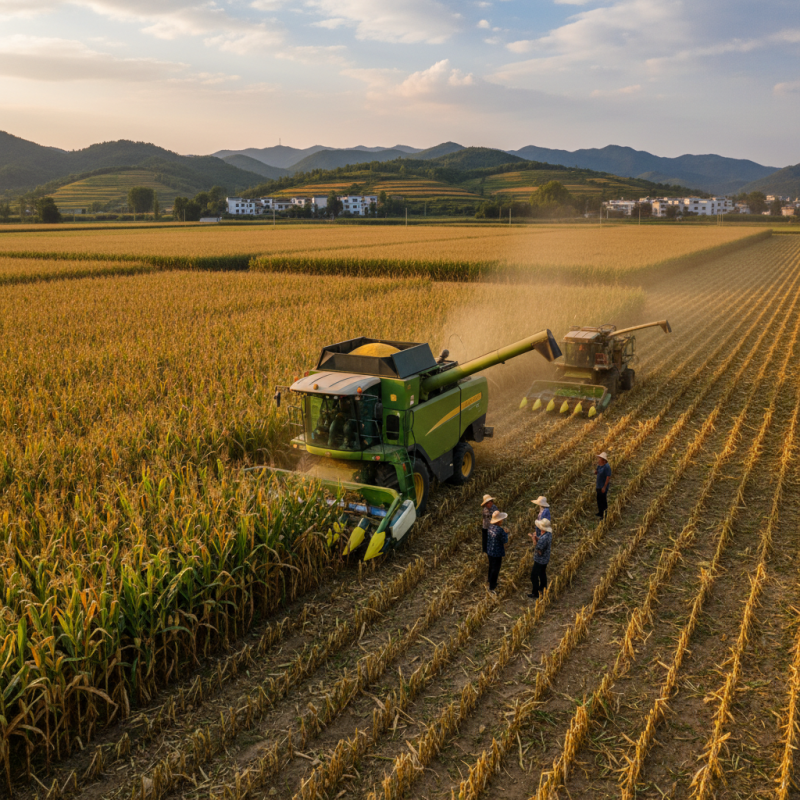
Overview of Corn Harvesters Available in China
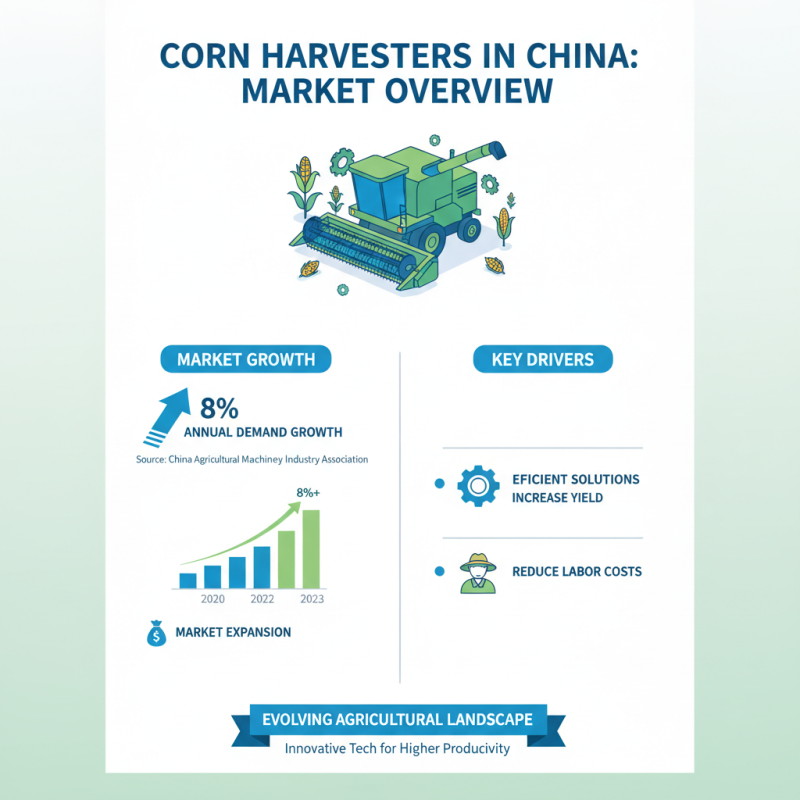
China's agricultural landscape has been evolving rapidly, especially in corn harvesting technology. The market for corn harvesters is expanding. According to a recent report by the China Agricultural Machinery Industry Association, the demand for these machines is growing by 8% annually. Farmers are seeking efficient solutions to increase yield and reduce labor costs.
Corn harvesters come in various models, tailored for different farm sizes and conditions. Small to medium-sized farms often prefer compact harvesters. These models are lightweight and easy to maneuver, making them more accessible for diverse terrains. Surprisingly, many farmers do not fully utilize machine capabilities, reflecting a need for better training and support.
Larger farms typically invest in more advanced models, with higher productivity rates. However, about 20% of these operations struggle with technical maintenance and operator training. A lack of local expertise can impede overall efficiency. While the technology is available, its successful implementation often relies on a seamless blend of education, experience, and machinery capabilities. This creates a gap where many farmers could benefit from better resources and knowledge-sharing initiatives.
Key Features of Efficient Corn Harvesters
When it comes to corn harvesting in China, selecting the right equipment is crucial for efficiency. Efficient corn harvesters should possess several key features. For instance, powerful engines help tackle large fields with ease. They also require advanced cutting and threshing mechanisms. These allow for smoother harvesting, reducing grain loss. Additionally, a lightweight design combined with a durable build enhances maneuverability in various terrains.
Modern corn harvesters often incorporate technology for precision farming. Features like GPS tracking and yield monitoring can optimize field management. Operators benefit from user-friendly controls and ergonomic designs that minimize fatigue. However, the initial investment can be significant, leading many farmers to weigh their options carefully. Regular maintenance is essential, but some may overlook this, risking machine performance.
Durability and serviceability cannot be ignored. Harvesters that are easy to repair often save time and money in the long run. Farmers should research available models and assess their needs thoroughly. There is an ongoing need for improvements in sustainability. Balancing efficiency with sustainable practices remains a challenge in the industry.
Discover the Best Corn Harvesters in China for Efficient Farming Solutions
This chart illustrates the corn harvesting capacity of various models of corn harvesters, showcasing how modern farming solutions are improving efficiency in agriculture.
Top Brands of Corn Harvesters in China
When exploring the world of corn harvesters in China, several brands stand out for their efficiency and reliability. These machines play a crucial role in modern agriculture. They are designed to streamline the harvesting process, reducing labor costs and time. Many farmers seek to maximize their yield, and the right harvester can significantly impact productivity.
Several top brands provide innovative solutions tailored to various farming needs. These companies focus on developing technology that enhances performance and durability. For instance, some harvesters are engineered for different terrains. Farmers often experience challenges with uneven fields. The best brands offer adaptable features to tackle such issues effectively. This versatility ensures that farmers can rely on their equipment throughout the harvesting season.
It's important to note that not all machines are perfect. Some may not perform well in extreme conditions. In addition, maintenance can be a concern. Over time, parts may wear out and require replacement. This reality encourages farmers to consider both initial investment and long-term upkeep. By weighing performance against potential drawbacks, they can make informed decisions about their investments in farming technology.
Discover the Best Corn Harvesters in China for Efficient Farming Solutions - Top Brands of Corn Harvesters in China
| Model |
Engine Power (HP) |
Harvesting Capacity (ton/h) |
Weight (kg) |
Price (USD) |
| Model A |
150 |
10 |
3000 |
25,000 |
| Model B |
200 |
12 |
3200 |
30,000 |
| Model C |
180 |
11 |
3100 |
28,000 |
| Model D |
220 |
14 |
3400 |
32,000 |
Innovative Technologies in Corn Harvesting Equipment
In recent years, advancements in corn harvesting technology have significantly improved efficiency on farms. Automated harvesters now incorporate cutting-edge features that allow for swift and accurate harvesting. These machines can adapt to various field conditions, providing optimal performance under diverse circumstances.
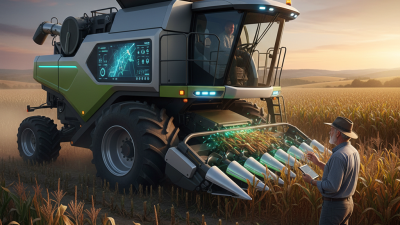
One fascinating development involves the use of sensors that monitor crop maturity in real-time. This innovation helps farmers determine the right time to harvest, reducing losses from late harvesting. Additionally, some harvesters can adjust their cutting gears automatically, depending on the yield type. Such features highlight the importance of precision agriculture in today’s farming practices.
However, as with any technology, challenges remain. High initial investment costs can deter some farmers. Smaller operations might struggle to justify the expense, given their limited budgets. It's crucial for farming communities to evaluate the long-term benefits versus short-term costs. Finding the right balance can lead to a more sustainable farming future.
Comparative Analysis of Performance and Cost of Corn Harvesters
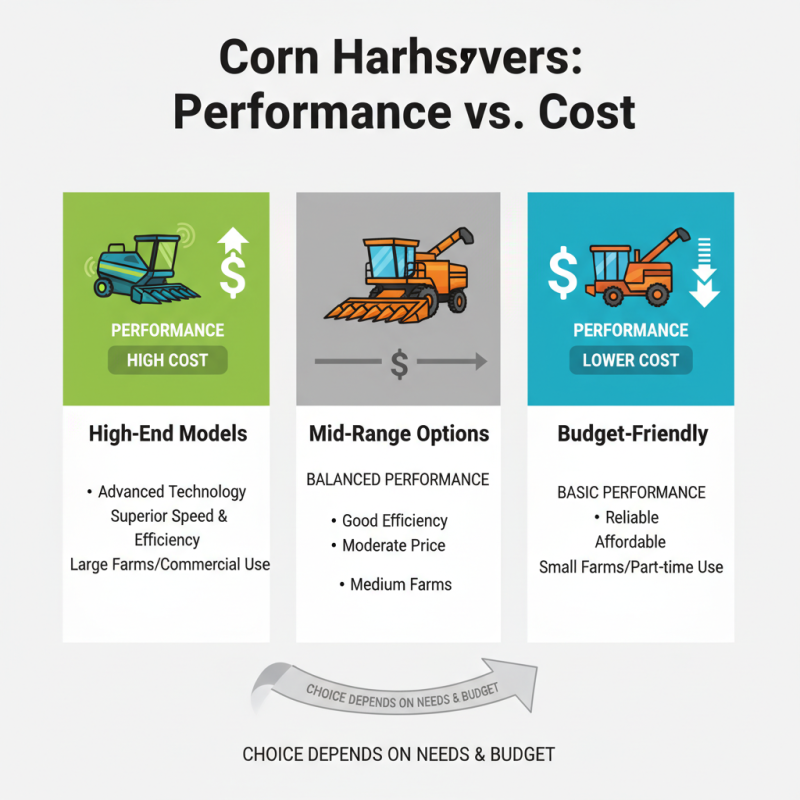
When exploring corn harvesters, performance and cost are critical factors for any farmer. Efficient machines can significantly impact productivity. A comprehensive analysis reveals a range of options that cater to various needs and budgets. There are high-end models that boast advanced technology, offering excellent speed and efficiency. However, they come with a hefty price tag, which may not be feasible for all.
On the other hand, more affordable alternatives might lack some high-tech features. Yet, they can still deliver reliable performance for smaller operations. Farmers should evaluate their specific requirements carefully. The balance of cost versus performance can become complex. Each model offers unique advantages. Some may excel in wet conditions, while others may perform better in dry weather.
Timely maintenance can also affect the lifespan and efficiency of these machines. Over time, even the best harvesters may require repairs or upgrades. It’s essential to factor these potential costs into the decision-making process. Understanding the nuances of each option helps in making an informed choice. Regular assessments of the harvesting process can reveal areas for improvement. Farming is an evolving practice, and staying informed is crucial for success.