What is the Best Farm Harrow for Your Agricultural Needs?
In the world of agriculture, choosing the right equipment can significantly impact productivity. A leading expert in farming machinery, Dr. Samuel Greene, emphasizes, “The right Farm Harrow can transform your field work.” His insights highlight the importance of finding suitable tools for specific agricultural needs.
Farm Harrows play a crucial role in soil preparation. They help break up clods, remove weeds, and create an even seedbed. Farmers often face challenges in selecting the best type. Many options exist, from disc harrows to tine harrows, each with unique benefits. This makes the decision process complex, requiring careful thought and evaluation.
Investing in the right Farm Harrow can lead to better crop yields. However, some may overlook the maintenance required for these tools. Regular checks and adjustments are essential for optimal performance. Understanding the nuances of each type will empower farmers to make informed choices, ultimately enhancing their farming operations.
Comparative Analysis of Different Types of Farm Harrows Available in 2023
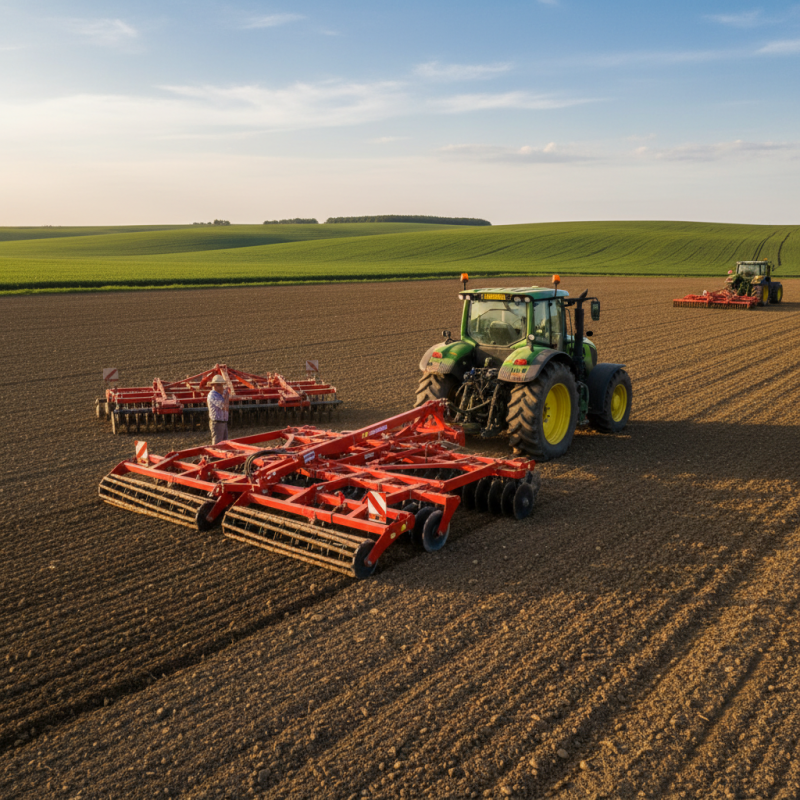
Farm harrows are essential for effective soil preparation. They come in various types, each with unique benefits and limitations. In 2023, the choice is broader than ever. Understanding these options will help you select the right harrow for your agricultural needs.
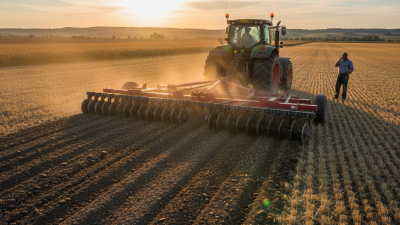
Tine harrows are lightweight and versatile. They excel in breaking up soil clumps and stimulating seed bed preparation. However, they may require frequent adjustments, especially in uneven terrains. Keep an eye on their wear and tear. Heavy-duty disc harrows can manage larger fields effectively. They penetrate tough soils better but may leave larger clumps. Evaluate your soil type before making a decision.
**Tip:** When choosing a harrow, consider your soil’s moisture level. Too dry or wet can affect performance.
Chain harrows work well for leveling and spreading seeds. They're ideal for small to medium fields. However, their effectiveness diminishes with rough terrains. Regular servicing is crucial for maintaining their efficiency.
**Tip:** Always test different harrows during off-peak seasons. This will help understand their capabilities better without any pressure.
What is the Best Farm Harrow for Your Agricultural Needs? - Comparative Analysis of Different Types of Farm Harrows Available in 2023
| Type of Harrow |
Best Use |
Working Width (ft) |
Weight (lbs) |
Price Range ($) |
| Disc Harrow |
Heavy soil cultivation |
8-12 |
900-1500 |
2000-6000 |
| Spring Tooth Harrow |
Soil aeration and weed control |
6-10 |
600-800 |
1500-3500 |
| Rotary Harrow |
Seedbed preparation |
5-7 |
400-600 |
1000-3000 |
| Multi-Purpose Harrow |
Versatile use, light tillage |
8-10 |
700-1200 |
1800-4500 |
Key Factors to Consider When Choosing a Farm Harrow for Your Crop Type
Choosing the right farm harrow is crucial for optimizing soil health and crop yield. There are several key factors to consider when selecting a harrow. First, the type of soil on your farm can significantly influence your choice. Sandy or light soils may require a different harrow than heavy clay soils. A well-suited harrow will penetrate the ground effectively and work through debris efficiently.
Another essential factor is crop type. Different crops have varying requirements for soil preparation. For example, root crops like carrots need a finer seedbed compared to grains. Make sure the harrow you select can adjust to different conditions. It’s important to consider the harrow's width as well. A wider harrow can cover more area but may be less maneuverable in tight spaces.
Reflecting on your farming practices is also necessary. Sometimes the most popular options may not be the best fit for your unique situation. It's vital to test different models if possible. Seek advice from agricultural experts or fellow farmers. Their experiences can provide valuable insights into what works best for particular conditions.
Best Farm Harrow Types for Different Crop Needs
Expert Recommendations on Top Brands and Models of Farm Harrows
Choosing the right farm harrow is crucial for optimizing soil preparation. Various expert reports indicate that efficiency and durability are key factors. A recent study highlights that proper soil cultivation significantly impacts crop yields, noting an increase of up to 15% in well-harrowed fields.
Top models vary in design, with some featuring adjustable tines for different soil types. Often, farmers overlook the importance of tine spacing when selecting a harrow. Tight spacing can lead to better soil aeration and weed management. Research suggests that flexible or tandem harrows are effective for varied terrain, as they adapt to different ground conditions.
User feedback indicates that operators appreciate ease of use. A popular trend is the integration of technology in harrow designs. Some models now include sensors to monitor soil conditions. However, many farmers find the initial investment daunting. Balancing cost and efficiency remains a common dilemma.
Understanding the Impact of Soil Conditions on Harrow Performance
The performance of a farm harrow is closely linked to soil conditions. Different types of soil affect how well a harrow can perform tasks like soil preparation and leveling. For sandy soils, a lightweight harrow often works best. It allows for easy maneuverability and reduces the risk of soil compaction. In contrast, heavier soils, such as clay, may require a more robust harrow. This ensures better penetration and efficiency.
Additionally, moisture content plays a vital role. Wet soil can adhere to the harrow, causing clogging and reduced efficiency. On the other hand, overly dry soil may cause the harrow to bounce, affecting the quality of the work. Farmers must assess soil moisture levels and conditions before selecting a harrow. This assessment can lead to better crop yields.
In some cases, a single harrow type might not fit all fields. This nuance necessitates a willingness to adapt harrowing techniques based on varying conditions in the same farm. Experimenting with different harrow settings could bring about beneficial adjustments. A farmer’s experience often leads to insights that can refine these practices. Understanding the soil will ultimately provide better results, yet it requires ongoing learning and adaptation.
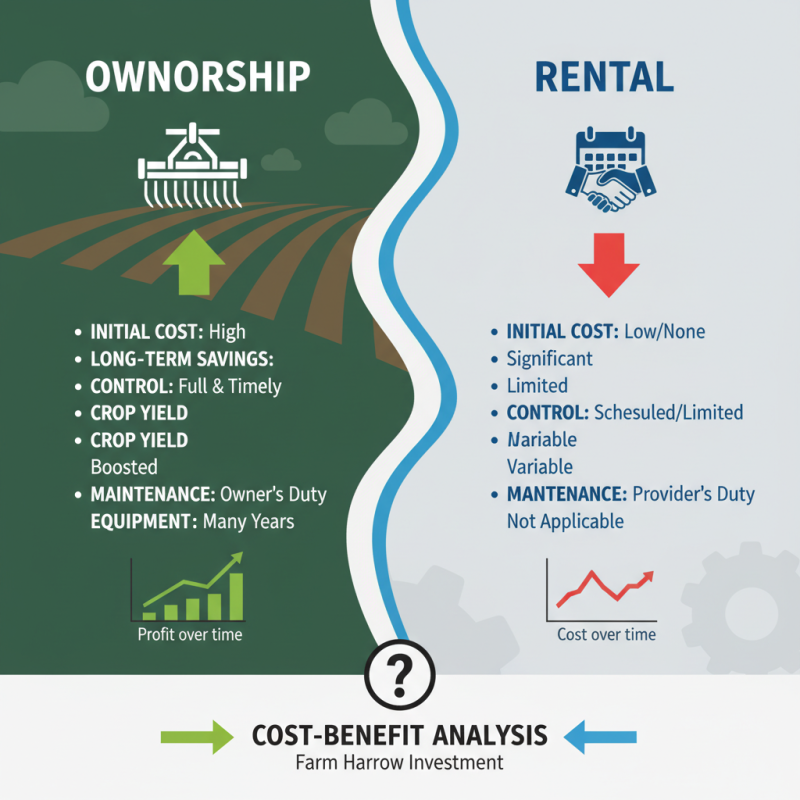
Cost-Benefit Analysis: Investing in a Farm Harrow vs. Rental Options
Investing in a farm harrow can be a significant decision for any agricultural operation. The initial purchase costs can raise concerns. However, owning a harrow can lead to long-term savings. You gain the ability to manage your field conditions effectively, which can boost crop yields. Over time, the cumulative benefits may outweigh the costs of renting equipment.
Considering rental options might seem easier at first. Yet, frequent rentals can add up quickly. Each season, the total expenses can surpass the costs of outright ownership. Rented harrows may not suit your specific needs, leading to suboptimal performance. You might spend time adapting rented equipment instead of focusing on your crops.
Moreover, investing in your own harrow allows for consistent care and maintenance. You can ensure it is always ready for use when needed. Think about how much time could be saved. Each field has its unique requirements that a rented harrow might not address. Understanding these aspects is crucial. Reflecting on your operational goals will help make the best decision.