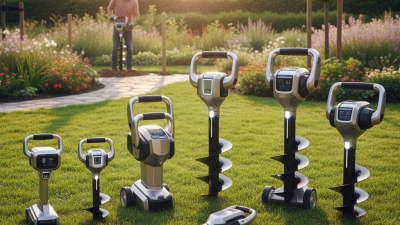
How to Choose the Best Hay Cutter at 2026 Canton Fair?
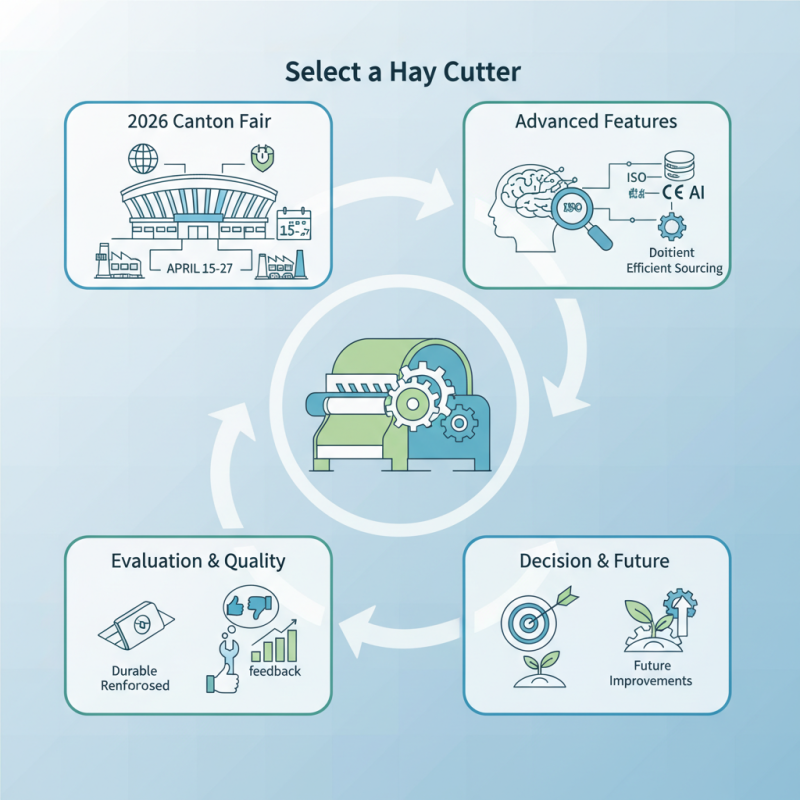
Choosing the best Hay Cutter at the 2026 Canton Fair will be crucial for farmers and suppliers. This event, set for April 15-27, 2026, will showcase advanced manufacturing and machinery. A focus on cutting-edge products promises innovation in agricultural tools.
The Fair introduces AI features to simplify the sourcing process. Farmers can quickly find suppliers with necessary certifications, such as ISO and CE. This efficiency is essential in a vast exhibition space of 1.55 million square meters. However, not all Hay Cutters are created equal. Some may lack durability or precision, leading to less effective harvesting.
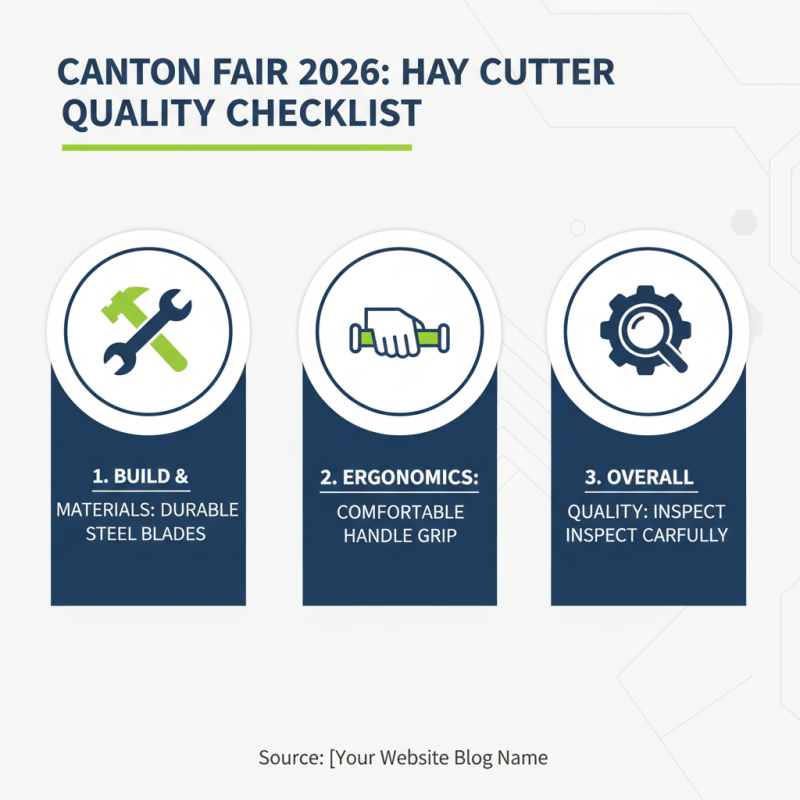
Visiting the Fair provides an opportunity to see Hay Cutters in action. Potential buyers should assess build quality and ease of use. Pay attention to customer feedback as well. Sometimes, even popular models can fall short in real-world applications. The goal is to find a Hay Cutter that meets specific needs while also considering future improvements.
Understanding the Importance of Hay Cutters in Agriculture
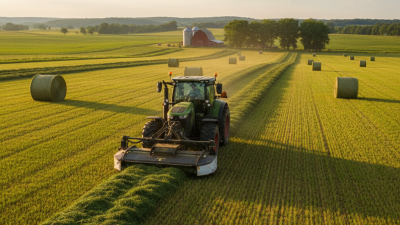
Hay cutters play a crucial role in agriculture. They help farmers manage grass and forage. High-quality hay is essential for livestock nutrition. A good hay cutter can ensure precision and efficiency. A poor choice could lead to wasted resources and time. Farmers must pay close attention to the specifications and design of the equipment.
The importance of hay cutters extends beyond immediate needs. They contribute to sustainability in farming. Well-cut hay promotes better regrowth and soil health. It also reduces the risk of disease in crops. Yet, many farmers overlook this essential equipment. They may choose based on price alone. In doing so, they risk compromising their harvests.
Farmers should consider the long-term impact of their choices. A durable, effective hay cutter can save money over time. Some may find it challenging to balance costs with quality. This requires careful thought and planning. Finding the right tool is not always straightforward, yet it is vital for successful farming.
Key Features to Consider When Selecting a Hay Cutter
Choosing the right hay cutter at the 2026 Canton Fair requires attention to key features. One important aspect is the cutter's blade quality. High-quality blades ensure a clean cut and enhance efficiency. Look for hardened steel or specialized coatings that prevent dulling. Dull blades can lead to wasted time and effort, so prioritize durability.
Another essential feature is the cutter's weight and design. Lightweight models are easier to maneuver but may sacrifice stability. On the other hand, heavier cutters often provide better traction but can be difficult to handle. It’s crucial to find a balance based on your farming needs. Check if the design allows for easy adjustments. Some models might have confusing mechanisms that require extra time to understand.
Safety features also deserve attention. Look for models with guards to protect against flying debris. Some cutters come with safety shutoff switches, which can be lifesavers. It's easy to overlook safety in favor of performance. However, a smart investment in safety can prevent potential accidents. Evaluate your choices carefully and don’t rush the process.
How to Choose the Best Hay Cutter at 2026 Canton Fair? - Key Features to Consider When Selecting a Hay Cutter
| Feature |
Description |
Importance |
| Cutting Width |
The width of the cutter affects the amount of hay cut in one pass. |
High |
| Power Source |
Options include gasoline, diesel, or electric. Choose based on available resources. |
High |
| Build Quality |
Durability of materials used in construction affects longevity. |
Medium |
| Weight |
Heavier models may offer stability but can be harder to maneuver. |
Medium |
| Ease of Maintenance |
Design should allow for easy access to parts that require regular maintenance. |
High |
| Safety Features |
Includes guards, emergency shut off, and ergonomic design to prevent accidents. |
High |
Comparing Different Types of Hay Cutters: Pros and Cons
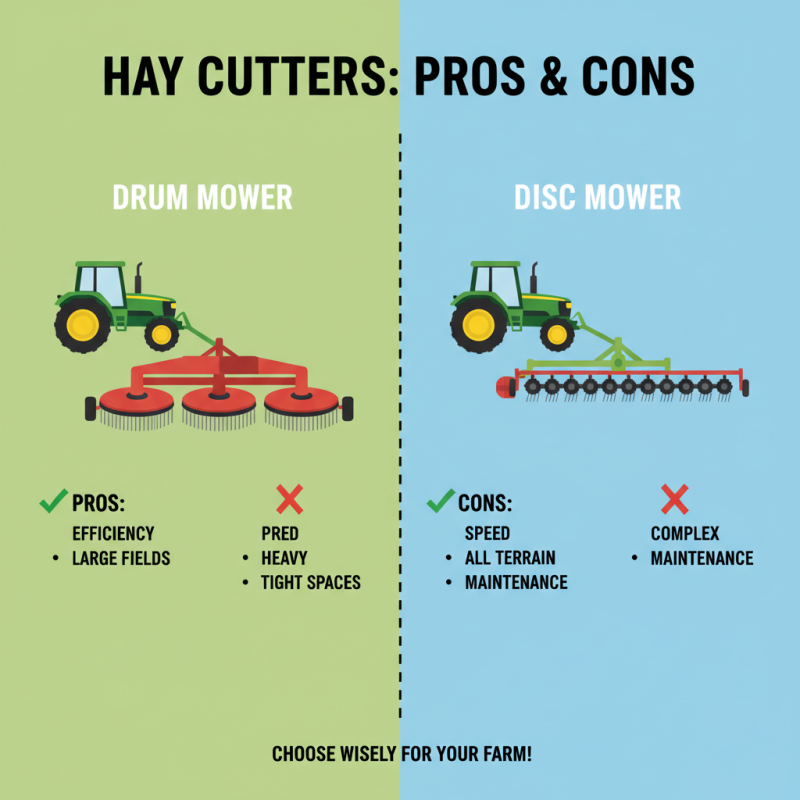
Choosing the right hay cutter is crucial. With various options available, understanding their pros and cons can significantly impact your decision. For example, drum mowers offer excellent efficiency. They operate quickly and are ideal for large fields. However, they can be heavy and harder to maneuver in tight spaces.
Sickle bar mowers are another option. These are lightweight and easier to handle. They work well for small to medium-sized farms. But, their cutting speed is slower than drum mowers, which could delay your work. Reports indicate that up to 40% of farmers prefer sickle bar mowers for their versatility and ease of use.
Rotary mowers are gaining popularity too. They provide a clean cut, leaving less hay behind. Nonetheless, they require more maintenance and can be costly to repair. Data suggests that maintenance costs can account for up to 15% of the total investment in machinery. Each type of hay cutter has its trade-offs, and understanding these can help you make a more informed choice.
Navigating Vendor Options and Pricing Strategies at the Fair
When attending the 2026 Canton Fair, navigating vendor options and pricing strategies is crucial. Many vendors will showcase hay cutters. Focus on their capabilities and efficiency ratings. According to the latest industry report by Market Research Future, the demand for efficient agricultural tools has increased by 25% in the past three years. This trend highlights a growing market, pushing vendors to improve their products.
Assessing pricing is another key point. While some vendors might offer lower prices, their machines may lack quality. A study by Statista shows that the average price of high-quality hay cutters ranges from $800 to $2,500. Understanding the price-to-performance ratio is essential for smart purchasing decisions. Look for specific features such as blade types and cutting width. Each feature can significantly influence both performance and cost.
Don’t hesitate to ask vendors questions about warranties and after-sales service. Many buyers often overlook this aspect, leading to regrets later. A reliable after-sales service can save costs in repairs or replacements. Being well-informed before making a decision can enhance your experience. Consider visiting multiple booths to gather information. Comparing vendors and their offerings can uncover hidden opportunities.
Comparative Analysis of Hay Cutter Prices at the 2026 Canton Fair