How to Choose the Best Lawn Mowers for Your Garden Needs?
Choosing the right lawn mowers for your garden needs is crucial for maintaining a beautiful outdoor space. According to the Outdoor Power Equipment Institute (OPEI), around 75% of American households own and use a lawn mower. This underscores the importance of selecting the right equipment tailored to individual requirements.
When selecting lawn mowers, various factors come into play. The size of your garden, grass type, and personal preferences greatly influence your choice. For instance, a small urban garden may benefit from a lightweight, electric mower, while larger lawns typically require a more robust gas-powered model. The National Gardening Association reports that nearly 40% of homeowners cite ease of use as a top priority while selecting lawn mowers.
Despite the wealth of options, not all mowers meet the mark. Some may perform poorly, leading to uneven cuts or excessive noise. Consumers should look for trusted brands with proven reliability. Additionally, expert reviews and professional recommendations can help highlight the best lawn mowers for specific needs. The right choice can significantly enhance your gardening experience and keep your lawn thriving.
Understanding Different Types of Lawn Mowers: A Comprehensive Overview
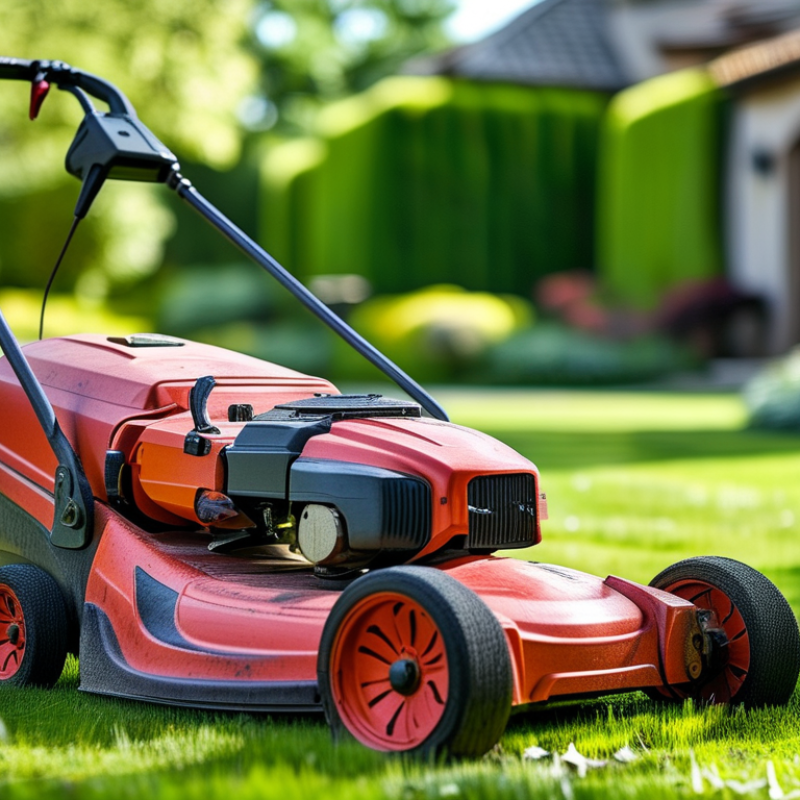
Choosing the right lawn mower starts with understanding the various types available. Each type serves distinct needs, ensuring that your lawn remains healthy and attractive.
Gas-powered mowers are powerful and suitable for larger gardens, while electric mowers are quieter and more eco-friendly, ideal for smaller spaces. According to data from the Outdoor Power Equipment Institute, electric mowers have gained popularity, with sales increasing by 20% over the last two years.
Tips for selecting the right mower include assessing your lawn's size and terrain. A reel mower might suit small, flat areas, while a riding mower can efficiently handle larger, uneven lots. Consider maintenance requirements as well. Gas mowers often need regular upkeep, while electric mowers generally have fewer mechanical parts, reducing service issues.
Don’t forget to evaluate your own comfort with the equipment. If a mower feels heavy or difficult to maneuver, it can lead to poor results and frustration. Additionally, investigate the noise level of each mower type. Some suburban areas have strict noise ordinances, so selecting a quieter option can prevent any potential issues with neighbors.
Key Features to Consider When Selecting a Lawn Mower for Your Needs
When selecting a lawn mower, several key features should be prioritized. The size of your garden is crucial. According to industry research, homeowners with less than 1,500 square feet can benefit from a push mower, while larger areas often require self-propelled or riding mowers. It's vital to assess your garden’s terrain as well; uneven landscapes may demand a mower with advanced suspension.
Power options vary greatly. Electric mowers tend to be quieter and more eco-friendly. Gas mowers, however, offer greater power for larger, dense lawns. A survey by the Outdoor Power Equipment Institute states that 70% of homeowners prefer electric options for their ease of use and maintenance. Battery life is another consideration; most electric mowers offer about 30 to 60 minutes of run-time, which might not suffice for bigger tasks.
Cutting height adjustments are essential for achieving the perfect lawn. Some models offer several height settings, accommodating different grass types. Additionally, bagging or mulching capabilities play a significant role in lawn health. Mulching can return nutrients to the soil, which is beneficial. However, it requires regular monitoring to avoid excessive thatch buildup. Keeping these aspects in mind can lead to a better decision tailored to specific gardening needs.
Evaluating Lawn Mower Size and Power Based on Your Garden's Area
When selecting a lawn mower for your garden, understanding the size and power is crucial. The area of your garden directly influences the type of mower you need. A small yard may require a compact mower. These mowers are lightweight and easier to maneuver. They can navigate narrow spaces efficiently. On the other hand, larger gardens might need a mower with increased power and wider cutting decks. This will ensure faster mowing and less time spent on the task.
Consider the terrain as well. If your garden has slopes or uneven ground, a self-propelled mower might be a better choice. It requires less effort to operate. However, these mowers can be more complex to use. Make sure you're comfortable with the controls. For flat areas, push mowers may suffice. They are more straightforward and can provide a good workout. Test your mower before making a decision. A little practice can reveal much about its usability. Take time to reflect on your garden's unique needs before finalizing your choice.
Maintenance Tips and Longevity: How to Keep Your Mower in Top Shape
Maintaining your lawn mower is essential for its longevity. Regular upkeep keeps it running efficiently and cuts your grass evenly. Start by cleaning the mower after each use. Grass clippings can clog the blades and affect performance. A quick rinse helps prevent rust and wear.
Tips: Check the air filter every season. A dirty filter can choke the engine. Replace it if it's discolored or clogged. Change the oil and spark plug at least once a year. This will improve efficiency and power. Sharp blades are crucial for a clean cut. Sharpen or replace them when you notice uneven cuts.
Don't forget to inspect the tires. Properly inflated tires are key to smooth operation. Low tires can lead to uneven cutting and increased strain on the engine. If you notice strange noises or vibrations, check for loose components. Ignoring these signs can lead to costly repairs. Regular inspections can save you time and money in the long run.
Environmental Impact: Choosing Eco-Friendly Lawn Mowers for Sustainable Gardening
Eco-friendly lawn mowers are a great choice for sustainable gardening. They reduce air pollution and noise levels. Electric and battery-operated mowers are becoming popular. They produce zero emissions while maintaining a pristine lawn. Choosing these options benefits not only your garden but the entire environment.
Consider the noise from traditional mowers. This can disturb wildlife and your neighbors. Quiet mowers encourage a peaceful gardening experience. They allow you to enjoy nature while taking care of your lawn. Additionally, look into mulching mowers. They recycle grass clippings, adding nutrients back to the soil. This practice promotes healthy growth and reduces waste.
Opting for eco-friendly mowers may seem costly initially. Reflect on long-term savings from lower fuel costs and maintenance. It might take time to adjust to new technology. Researching and asking for advice can ease this transition. Every small step toward sustainability counts, and making an informed choice contributes to a healthier planet.
Environmental Impact of Different Lawn Mowers