How to Choose the Best Ridging Plough for Your Farming Needs?
Choosing the right Ridging Plough is essential for effective farming. This tool shapes the soil for better crop growth. However, many farmers overlook its importance. Not all ploughs are created equal. Different soil types and crop requirements mean you need to think carefully.
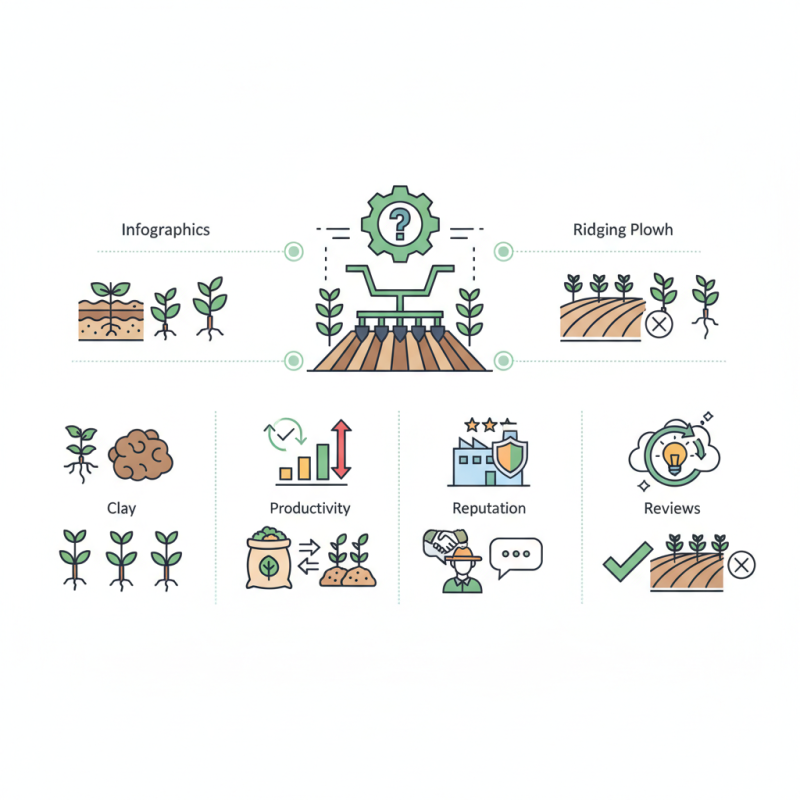
When selecting a Ridging Plough, consider the specific needs of your farm. Understand your soil composition and the crops you plan to grow. The right plough can enhance productivity. Yet, the wrong choice may lead to poor yields and wasted resources.
It's also important to evaluate the manufacturer’s reputation. Look for brands known for quality and reliability. Reading reviews and seeking advice from experienced farmers can guide your decision. Don't rush this process. The right Ridging Plough can make a significant difference in your farming success.
Understanding the Purpose and Benefits of Ridging Ploughs
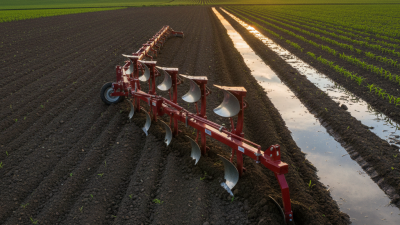
Ridging ploughs are essential tools for modern farming. They create ridges in the soil, optimizing water drainage and nutrient absorption. These ploughs help farmers grow crops in rows, enhancing growth conditions. According to recent agricultural studies, the right ridging plough can increase crop yields by up to 30%.
The benefits of using a ridging plough extend beyond yield improvement. For instance, ridging can better control soil erosion, a major concern in various farming regions. Research indicates that 60% of farmers experienced reduced erosion when adopting this technique. Additionally, ridging helps in weed management. By promoting uniform planting and spacing, farmers can effectively reduce weed competition.
However, selecting the appropriate ridging plough isn't always straightforward. Many farmers may struggle with understanding soil types and crop requirements. A plough that works well in one area may not perform effectively elsewhere. It’s important for farmers to reflect on their specific soil characteristics and crop needs before making a choice. This careful consideration can lead to improved farming practices and sustainable agriculture.
Ridging Plough Effectiveness by Crop Type
Key Features to Consider When Choosing a Ridging Plough
Choosing the right ridging plough can significantly affect your farming efficiency. Focus on key features that cater to your specific needs. First, consider the plough's size and weight. Heavier ploughs can create deeper ridges but may be challenging to maneuver in soft soil. A lighter option might be easier to handle and more versatile for various terrains.
The type of soil you work with is another critical factor. Different ridging plough designs perform better in clay, loam, or sandy soils. Analyze your soil conditions to ensure optimal functionality. It's beneficial to look at the share and the body design as well. Some designs can create narrow ridges, while others are better for wider spacing. Choose according to your crop's requirements.
Lastly, pay attention to adjustments and ease of use. A plough that offers simple adjustments can save time. Complex mechanisms may seem appealing but can lead to frustration during operation. Reflect on past experiences with equipment. What worked well? What didn't? These insights will guide you in making an informed decision for your farming needs.
Evaluating Different Types of Ridging Ploughs Available
Choosing the right ridging plough is crucial for effective farming. Different types of ridging ploughs offer various features tailored to specific needs. For instance, some ploughs are designed for heavy soil, while others perform better in sandy conditions. Understanding your soil type and farming methods is essential when making a selection.
When considering ridging ploughs, evaluate their construction materials. Steel ploughs are durable but heavier, affecting maneuverability. Meanwhile, lighter ploughs might struggle in tough soil. Look into the adjustability of the plough as well. A plough that can adapt to different ridge heights may save time and effort.
Tips: Always consider the width of the plough. A wider plough can cover more ground but requires a powerful tractor. Additionally, check for compatibility with your existing equipment. Proper maintenance of the plough is also vital. Regular inspections can prevent costly breakdowns during peak farming seasons.
Reflect on your specific farming goals. Not every plough will meet all needs. Take the time to research and consult with local farming experts. Their insights can guide you toward making a more informed decision.
Assessing Your Farm's Soil and Crop Needs for Ridging
Assessing your farm's soil is crucial for selecting the right ridging plough. Take time to test your soil’s texture and structure. Sandy soils may need a lighter plough, while clay soils require a sturdier option. Understanding drainage capabilities is also essential. Well-drained soil supports healthier crops, while poorly drained fields can hinder growth.
Crop needs vary widely among different farms. Are you growing root vegetables or grains? Root crops like potatoes often benefit from deeper ridges. This action aids in water retention and root development. On the other hand, grains might require shallower ploughing, focusing instead on soil aeration. Observing past crop performance can offer insights. Reflection on previous seasons helps identify which plough best suits your unique farming conditions.