Why Choose Walking Tractors for Your Farming Needs?
In modern agriculture, the choice of equipment is critical for efficiency and productivity. Experts in the field, like Dr. Jonathan Miles, a renowned agronomist, emphasize the importance of selecting the right tools. He states, "Walking Tractors transform farming methods, enhancing both efficiency and accessibility." This highlights the significant role Walking Tractors play in various farming operations.
Walking Tractors offer versatility on different terrains, making them ideal for small to medium-sized farms. They are not only easy to operate but also reduce the physical strain on farmers. However, the effectiveness of Walking Tractors largely depends on proper usage and maintenance. Without adequate training, inefficiencies can arise, leading to disappointing outcomes.
As the agricultural landscape evolves, embracing innovations like Walking Tractors becomes essential. Farmers who wish to stay competitive must continually reassess their equipment choices. Adopting Walking Tractors can elevate productivity, but it's crucial to recognize that they require a learning curve for optimal results. Engaging with experts and learning from their insights can help maximize the benefits of this valuable tool.
Benefits of Walking Tractors in Modern Agriculture
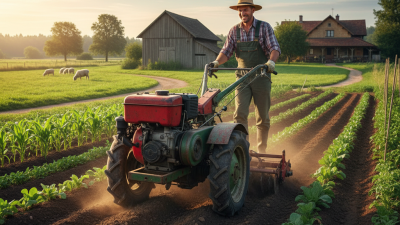
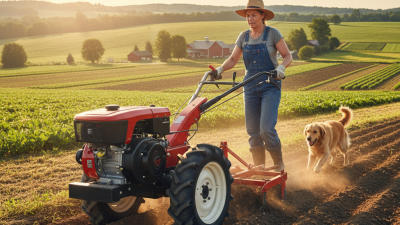
Walking tractors are becoming increasingly popular in modern agriculture due to their versatility. These machines are compact, yet powerful enough to handle various tasks. Farmers often find them ideal for small to medium-sized fields. They can easily navigate tight spaces, unlike bigger tractors.
One significant benefit of walking tractors is their fuel efficiency. They consume less fuel compared to larger vehicles. This is crucial for farmers looking to reduce operational costs. Additionally, walking tractors are often easier to maintain. Farmers can perform basic repairs without needing specialized tools or skills.
However, some users may struggle with the learning curve. Operating a walking tractor requires practice. It's essential to spend time understanding how to use them effectively. Some farmers might initially face challenges with steering or maneuvering. Despite these issues, the benefits can outweigh the initial difficulties, making walking tractors a valuable asset for many.
Versatility of Walking Tractors for Various Farming Tasks
Walking tractors have gained popularity in the agricultural sector due to their versatility. These machines can perform a variety of tasks, making them essential on farms. According to a 2022 industry report, nearly 30% of small-scale farmers prefer walking tractors for their multifunctionality. They can plow, till, and even transport materials, which enhances their value on the farm.
Moreover, they are suitable for different terrains and crop types. Many farmers use walking tractors to manage small plots effectively. Their design allows for maneuverability in tight spaces. The ability to switch attachments for tasks like seeding or weeding is a game-changer. Research shows that using a walking tractor can increase productivity by up to 40% compared to manual methods. However, some farmers might face a learning curve when operating these machines, indicating the need for training.
While they offer many benefits, walking tractors may not be the perfect fit for everyone. Some users report issues with power for heavier tasks. As with any farming equipment, maintenance is critical. Regular upkeep is necessary to ensure performance and longevity. These machines reflect a balance of efficiency and effort, highlighting the need for thoughtful use in farming strategies.
Cost-Effectiveness of Walking Tractors Compared to Other Equipment
Walking tractors have gained popularity in the farming industry. Their cost-effectiveness sets them apart from larger machinery. According to a recent industry report, walking tractors can cost up to 50% less than conventional tractors. For small to medium-sized farms, this aspect is crucial.
The maintenance expenses of walking tractors are often lower as well. Their simpler design means fewer parts that could break down. Some studies suggest that operating costs can drop by 30% when switching from larger equipment to walking tractors. Additionally, they consume less fuel, leading to significant savings over time.
However, farmers should consider the potential limitations. While these tractors are versatile, they may not handle heavy-duty tasks as efficiently. Their smaller size restricts their power compared to larger models. Evaluating these factors can help farmers make informed choices that suit their specific needs.
Ease of Maintenance and Operation of Walking Tractors
Walking tractors have gained popularity among farmers due to their ease of maintenance and operation. These machines are designed to simplify farming tasks while being user-friendly. Reports indicate that about 40% of small farms prefer walking tractors over larger alternatives, mainly for their manageability and cost-effectiveness.
Maintenance is straightforward and requires minimal tools. Regular oil and filter changes can keep the engine healthy. According to agricultural studies, neglecting small maintenance can lead to a 15% drop in efficiency over time. Farmers should also check belts and tires regularly, as wear can affect performance.
**Tip:** Schedule maintenance during off-peak seasons. This approach prevents downtime during crucial planting or harvesting periods.
Operation is also user-friendly. Most walking tractors have intuitive controls, making them accessible even to novice operators. Training programs suggest that farmers can learn to manage these tractors in less than two hours. However, practice is crucial. Some users report feeling overwhelmed initially. Gradual exposure builds confidence.
**Tip:** Encourage new operators to test the equipment in a safe area. This hands-on experience is invaluable for developing skills.
Efficiency Comparison of Walking Tractors in Various Farming Tasks
Environmental Impact and Sustainability of Walking Tractors in Farming
Walking tractors are gaining attention for their environmental benefits. They produce lower emissions compared to larger farming machinery. The compact size allows them to navigate tight spaces with ease. This reduces soil compaction, which is crucial for maintaining healthy soil ecosystems.
Using walking tractors promotes sustainable practices. These machines require less fuel, which decreases the overall carbon footprint of farming operations. They are often easier to maintain and repair, promoting longevity and resource conservation. However, not all farmers have access to these technologies. There are challenges with training and initial costs that must be addressed.
Farmers should consider local climates and soil conditions. Walking tractors can be effective in diverse agricultural settings. Adopting these practices could lead to improved yields and healthier land over time. Still, it is essential to evaluate the practicality of these machines in different contexts. Balancing innovation and tradition is vital for sustainable agriculture.