What is a Cultivator Mini Tiller and How Does It Work?
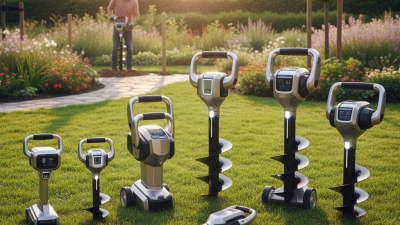
A Cultivator Mini Tiller is an essential tool for both hobbyists and professional gardeners. This compact device simplifies soil preparation by breaking up hard ground and mixing organic materials. With its lightweight design, it’s easy to maneuver in tight spaces.
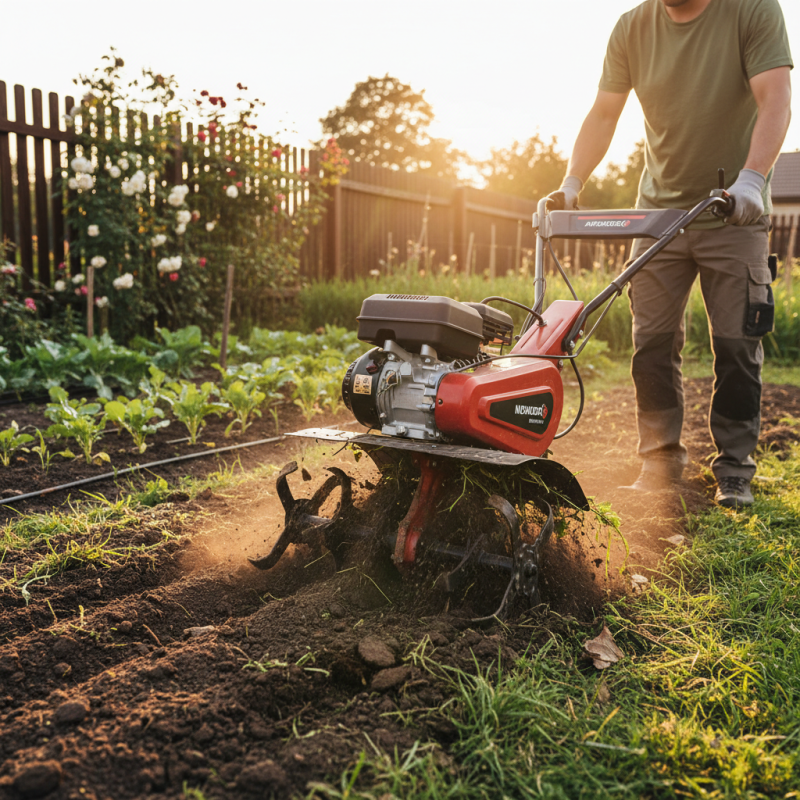
Using a Cultivator Mini Tiller is straightforward. Gardeners push or pull the tiller, allowing the blades to penetrate the soil. This action aerates the ground, improving drainage and nutrient accessibility. As users gain experience, they learn to adapt techniques for various soil types.
Choosing the right model can be challenging. There are numerous brands available, each with unique features. It’s crucial to consider the specific needs of your garden. Understanding the right size and power for your projects will yield the best results. A Cultivator Mini Tiller can transform your gardening experience, making it enjoyable and more productive.
What is a Cultivator Mini Tiller? An Overview of Its Definition
A cultivator mini tiller is an essential tool for small-scale gardening and farming. It helps prepare and aerate soil, making it easier to plant seeds and promote healthy root growth. This compact equipment typically features rotating blades or tines that break up hard soil. According to a report by the National Gardening Association, over 35% of American households engage in gardening. As interest grows, so does the relevance of tools like mini tillers.
One advantage of using a cultivator mini tiller is its efficiency. This tool can significantly reduce the time needed for soil preparation. Many gardeners find that using a mini tiller cuts their labor time in half compared to manual methods. However, users must ensure that they adjust the depth of the tiller to avoid damaging roots or soil structure.
Tips for using a cultivator mini tiller include starting slowly to familiarize yourself with its handling. Always wear protective gear to prevent injuries. After each use, clean the blades to maintain their effectiveness. Inexperienced users might encounter challenges, like tilling too deep or missing spots in the garden. Learning from these mistakes is essential in perfecting the use of this invaluable tool.
Key Features of Cultivator Mini Tillers and Their Benefits for Gardening
Cultivator mini tillers are essential tools for gardeners aiming to improve soil health. They provide a way to aerate compacted soil and mix organic matter. According to the National Gardening Association, proper soil preparation can increase yields by up to 40%. This makes mini tillers valuable, especially for home gardening enthusiasts.
A cultivator mini tiller typically features lightweight design and adjustable tines. These tines work at various depths. This flexibility lets gardeners adapt to different soil types. It's worth noting that not every mini tiller can handle clay soil effectively. Reports indicate that some models struggle with tougher soil conditions, which may limit their versatility.
Many users appreciate the ease of operation these tools offer. They can help reduce manual labor significantly. Data suggests that labor efficiency can improve by 30% when using a tiller compared to hand digging. However, attention must be paid to the tiller’s maintenance. Neglecting proper care can lead to decreased performance over time. If performed poorly, tilling can also harm soil structure, so gardeners must be mindful of their techniques.
Understanding the Impact of Mini Tillers on Gardening
How Cultivator Mini Tillers Operate: Mechanisms and Technologies
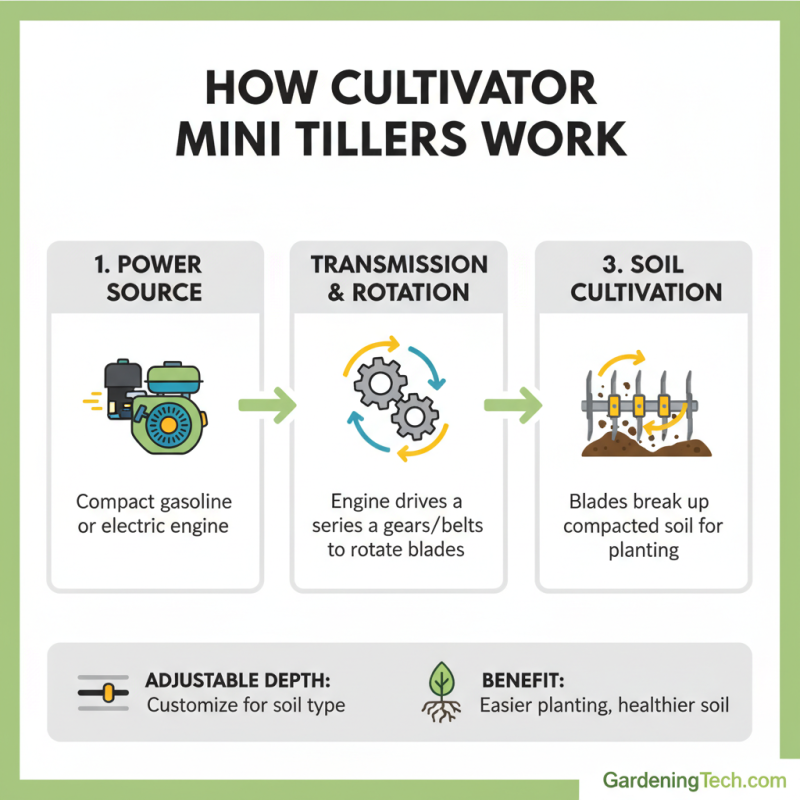
Cultivator mini tillers are compact gardening tools designed for cultivating soil. They operate using a set of rotary blades that break up hardened soil, making it easier for planting. The mechanism involves a powerful engine that drives these blades, allowing for efficient and thorough mixing of soil. Most models also include adjustable depth settings, accommodating different types of soil.
The technology behind mini tillers focuses on lightweight design and ease of use. Users can easily maneuver them in small gardens or tight spaces. The tillers often feature ergonomic handles, reducing strain during extended use. Some models may struggle with tougher soil, requiring extra effort from the user. It's important to evaluate the kind of soil you have before using a mini tiller.
Maintenance is crucial for these tools to function effectively. Regular cleaning and proper storage prolong their lifespan. Neglecting upkeep may lead to performance issues, affecting your gardening experience. Overall, understanding how mini tillers work can significantly enhance your gardening efficiency. However, learning to operate them effectively takes practice and patience.
Statistics on Cultivator Mini Tiller Usage in Home Gardening Markets
Cultivator mini tillers have gained popularity among home gardeners in recent years. Statistics reveal that nearly 40% of gardening enthusiasts use mini tillers to improve their soil. These tools make soil preparation faster and easier, allowing gardeners to create a healthy growing environment for their plants. Their lightweight nature enables the average person to handle them without excessive strain.
When using a cultivator mini tiller, consider the specific soil type in your garden. Heavy clay soil requires more effort and may need multiple passes. In contrast, sandy soil cultivates easily. One tip is to perform a test run in a small area first. This way, you can gauge the tiller's effectiveness and make adjustments as needed.
Many users overlook maintenance, which is crucial for optimal performance. Regular checks on the tines and engine ensure your tiller runs smoothly. Keep an eye on fuel levels and change the oil as recommended. An unmaintained tiller may not work efficiently, wasting time and effort. Remember, a little attention to care goes a long way in enhancing your gardening toolbox.
Comparative Analysis: Cultivator Mini Tillers vs. Traditional Tilling Methods
Cultivator mini tillers are increasingly popular among gardeners. They offer an efficient way to prepare soil for planting. These tools work by using rotating blades to aerate and mix soil. This method is less labor-intensive compared to traditional tilling.
Traditional tilling often requires a larger machine and more physical effort. It can disrupt soil structure and drive away beneficial organisms. Mini tillers are compact and user-friendly. They make it easier to navigate tight spaces in gardens. Plus, they cause minimal soil disturbance, preserving its health.
Tips: Always adjust the depth of your tiller based on the type of plant you intend to grow. Deep tilling can be beneficial for root vegetables, while shallow tilling is suitable for surface-level crops. Also, consider the size of your garden. A mini tiller may be more efficient for small to medium plots. Assess your soil conditions regularly; compacted soil may require additional passes with the tiller.
Embracing mini tillers may lead to quicker planting times and healthier gardens. However, relying solely on them isn't without drawbacks. Regular maintenance is essential to avoid wear and tear. Balancing traditional methods with new technologies can yield better results over time.