What is a Ditching Plow and How Does It Work?
A Ditching Plow is a specialized agricultural tool designed for precision digging and trenching. It plays a vital role in drainage systems and irrigation planning. Understanding how this plow operates can greatly benefit farmers and landscapers alike.
The Ditching Plow features a sharp blade that cuts through soil. This blade creates ditches for water drainage, preventing waterlogging. Farmers appreciate its efficiency, but using it requires some skill. Improper use can lead to uneven ditches or soil erosion.
Many may overlook the importance of proper maintenance. A dull blade can hinder performance and cause unnecessary strain on the machinery. Regular checks can enhance its effectiveness. Overall, the Ditching Plow proves invaluable in managing land, yet it demands thoughtful handling and care.
What Is a Ditching Plow? Definition and Overview of Its Purpose
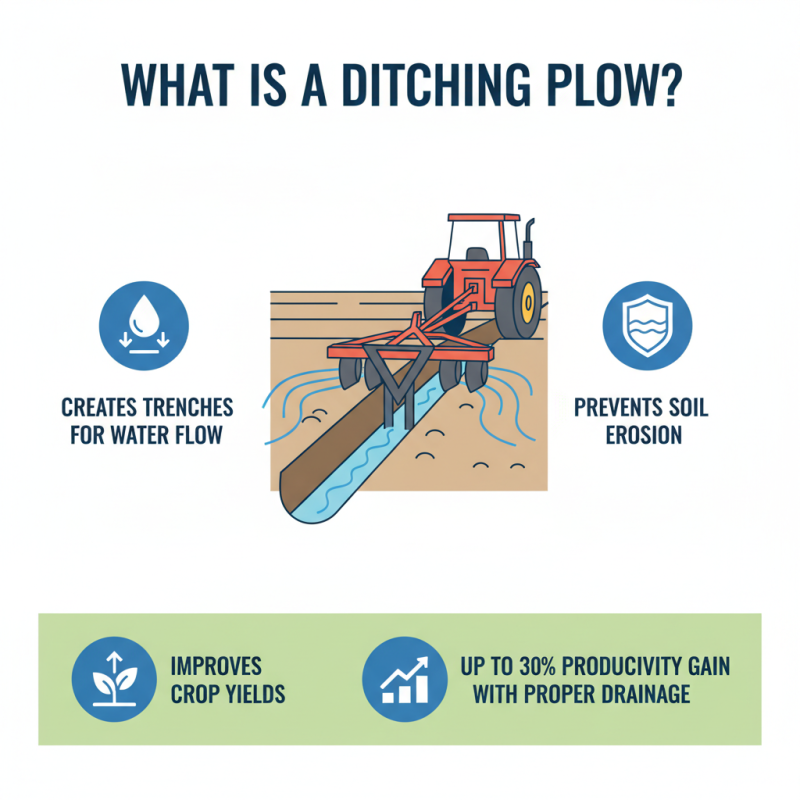
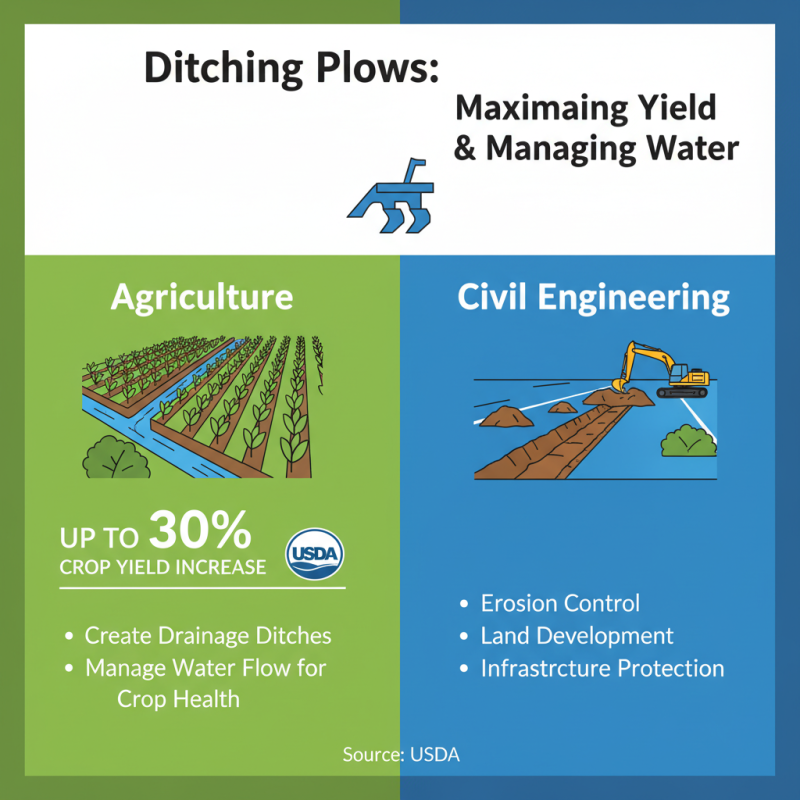
A ditching plow is a specialized agricultural tool designed for creating trenches or ditches. Its primary purpose is to manage water flow and prevent soil erosion. This tool is essential for farmers looking to enhance drainage in their fields. Effective drainage can lead to improved crop yields. Recent studies show that properly managed irrigation systems can increase productivity by up to 30%.
The ditching plow operates by cutting into the soil and removing it in a single pass. This allows for efficient trench formation without excessive soil disruption. However, users must consider the soil type and moisture levels before operation. Not all soils respond well to ditching. For instance, heavy clay may be difficult to work with, leading to time-consuming adjustments.
Some farmers may neglect the importance of regular maintenance of their ditching plows. This oversight can lead to equipment failure or suboptimal performance. Inadequate maintenance may result in uneven trenches, which can disrupt proper water flow. Hence, farmers must reflect on their practices and ensure their tools are in good condition. Recognizing these challenges can improve overall effectiveness in managing agricultural landscapes.
Components and Design Features of a Ditching Plow
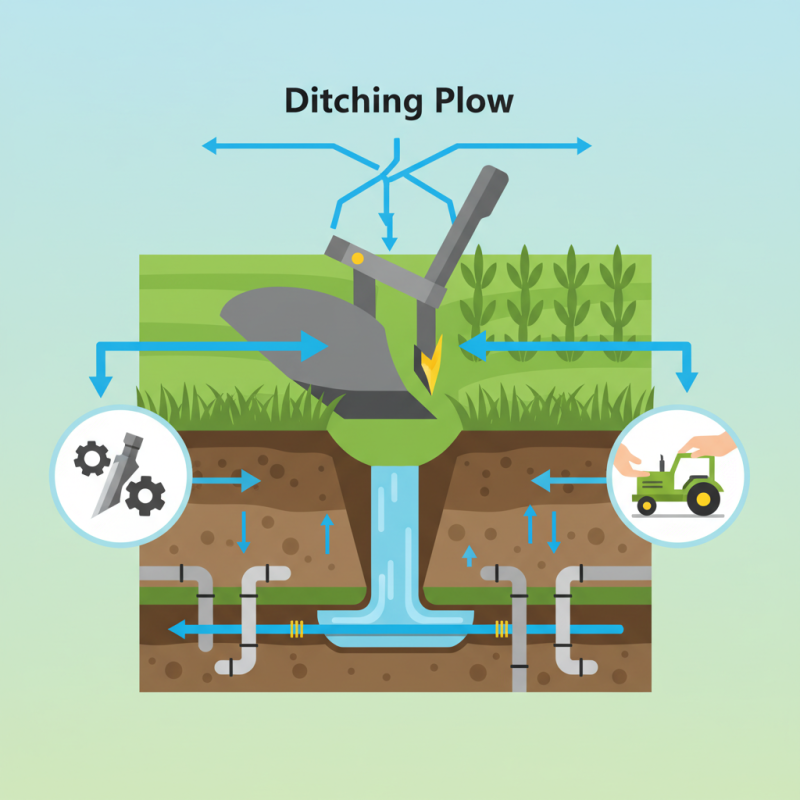
A ditching plow is a specialized tool designed for digging and shaping ditches. Its main components include sturdy blades, a frame, and a hitching system. The blades are often made of hard materials to withstand heavy soil. They slice through the ground, creating precise channels for drainage or other purposes. The frame supports the blades and connects them to the tractor or other machinery.
The design features of a ditching plow play a crucial role in its efficiency. Adjustable blade angles allow operators to customize the digging depth and angle. Some models include a hydraulic system for ease of use. However, not all ditching plows are easy to maneuver, especially in rocky or clay-heavy soils. Operators must often adapt their techniques to different terrains. Sometimes, the machinery can get stuck, leading to delays and frustration.
In practice, setting up the ditching plow can be challenging. Ensuring that it is level and properly attached is vital. Minor adjustments can make a big difference in performance. Additionally, regular maintenance is necessary. Components wear out over time, impacting the plow's effectiveness. Such oversight can lead to suboptimal results.
What is a Ditching Plow and How Does It Work? - Components and Design Features of a Ditching Plow
| Component |
Description |
Function |
| Blade |
The sharp edge used for cutting into the soil. |
To slice through the surface, allowing soil to be moved. |
| Frame |
The structural base that supports other components. |
To provide stability and durability under stress. |
| Hitch |
The attachment point to the tractor or vehicle. |
To connect the plow with the towing vehicle for operation. |
| Depth Control |
Mechanism to adjust the depth of the blade. |
To control how deep the plow enters the soil. |
| Wheels |
Supportive wheels for ease of movement. |
To enable mobility and positioning during operation. |
| Striker Plates |
Metal plates that protect the blade and frame. |
To enhance durability and reduce wear. |
How a Ditching Plow Operates: Step-by-Step Mechanism
A ditching plow is a key tool for creating drainage. It efficiently carves trenches into the soil, allowing water to flow away. The mechanism involves a blade that cuts into the ground, displacing soil to form the desired shape. This process is essential for farmers and landscapers to manage water levels effectively.
To operate a ditching plow, a tractor pulls the device. As it moves, the blade slices through the soil. Hydraulic systems help adjust the blade's depth, affecting how deep the ditch can go. A well-calibrated plow can significantly improve drainage in agricultural fields. According to a recent report, effective drainage can increase crop yields by up to 30%.
Tips: Before using a ditching plow, assess the soil type. Loose, sandy soils are easier to work with than compact clay. Always plan the ditch’s route to avoid utility lines underground. This foresight can save time and money. Regular maintenance on the plow is crucial. Well-maintained equipment leads to better performance and longevity. Neglecting this aspect often results in inefficiency.
Industry Statistics: The Impact of Ditching Plows on Soil Management
Ditching plows play a crucial role in soil management. They create channels that help with drainage. Proper drainage is vital for crop health. Statistics show that using ditching plows can improve soil productivity. Around 30% of farmers reported higher yields after using them. Soil erosion rates are also lower in fields where ditching plows are used.
However, the effectiveness of ditching plows can vary. Soil type and moisture levels impact their performance. Some farmers find that results differ from year to year. What works well in one area may not in another. Observing local soil conditions is key. DIY modifications can help improve results, but they require experimentation.
Tips: Regular maintenance of ditching plows ensures optimal performance. Also, observe your soil's response after usage. Adjust your approach based on results. Remember, not every method works the same for everyone. A few trials can lead to better soil management practices.