How to Effectively Use a Ditching Plow for Your Landscaping Needs?
When it comes to landscaping, using a Ditching Plow can significantly enhance efficiency. Expert Dave McKenzie, a seasoned landscape contractor, once remarked, "A well-used Ditching Plow transforms the way we approach landscaping projects." This equipment not only saves time but also improves the quality of the work done.
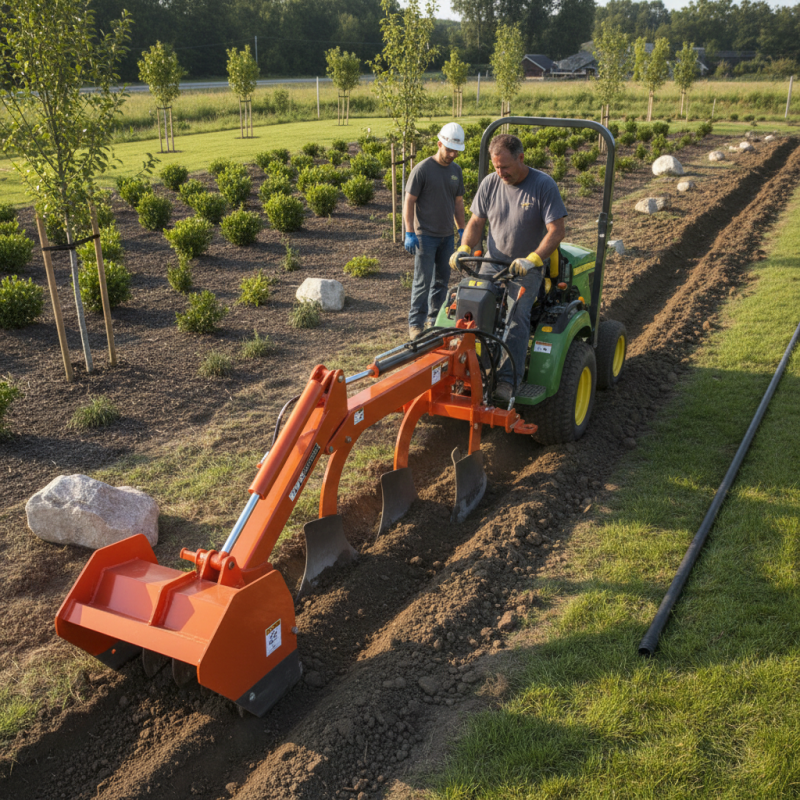
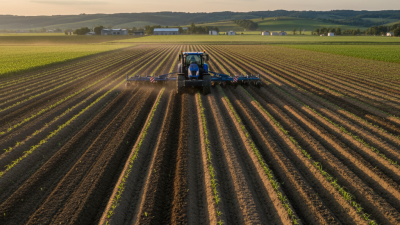
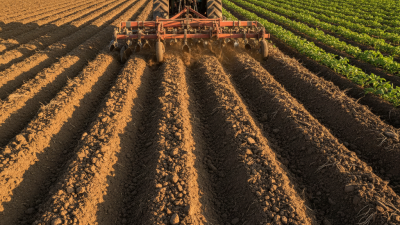
The Ditching Plow is designed for creating trenches in various terrains. It allows landscapers to install drainage systems or irrigation lines with precision. Proper use of this tool can prevent common mistakes that lead to costly rework later on.
While many professionals swear by their Ditching Plows, some users struggle initially. It may take time to master the technique. Recognizing the common pitfalls in usage can facilitate a smoother process. Engaging with peers or seeking expert guidance can enhance one’s skills and confidence in using this invaluable tool.
Understanding the Basics of Ditching Plows in Landscaping
Ditching plows are essential for effective landscaping. They help create drainage ditches, manage water flow, and prepare soil. Understanding their basic operation is crucial. A ditching plow moves soil efficiently, shaping contours in your landscape. This tool makes it easier to manage rainwater and prevent erosion. Experts emphasize the importance of using the right depth and angle when plowing.
When using a ditching plow, always assess your landscape's specific needs. Each soil type can react differently. Some may compact too much, while others might not hold shape. Take time to experiment with settings. Observing the results can lead to better outcomes. If you notice uneven soil distribution, adjust your technique. Such reflections can enhance your landscaping efforts significantly.
A good practice is to regularly maintain your ditching plow. Clean it after each use and inspect for wear. These steps will ensure optimal performance. Finding the right technique may take time. Sometimes, you might feel overwhelmed. Remember, landscaping is a learning process. Embrace the challenges, and adjust your approach along the way.
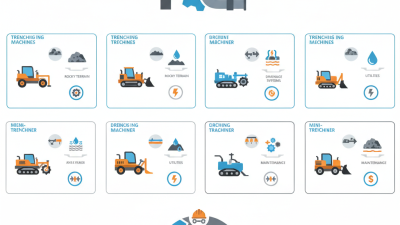
Usage Patterns of Ditching Plows in Landscaping
Choosing the Right Ditching Plow for Your Specific Landscaping Needs
Choosing the right ditching plow is essential for effective landscaping. A ditching plow can create drainage ditches, trenches, and furrows. Consider your project's needs before making a choice. Think about the soil type, project size, and desired depth. Different plows serve different purposes. Understanding these factors helps choose the right equipment.
Tips: Look for plows that fit your tractor size. Compatibility ensures optimal performance. Test the plow on a smaller section first. This approach helps refine your technique. Pay attention to the results. Adjustments may be necessary for various soil conditions.
Remember to factor in your experience level. If you're new to landscaping, seek guidance. Online resources and local gardening groups can provide valuable insights. Don’t hesitate to ask for help. It’s important to learn from mistakes. Regularly evaluate your progress. Fine-tune your approach as needed. With patience, you will improve your skills and outcomes.
How to Effectively Use a Ditching Plow for Your Landscaping Needs?
| Dimension |
Details |
| Plow Type |
Standard, Heavy-Duty, or Adjustable |
| Best Use Case |
Creating trenches, drainage systems, or planting rows |
| Recommended Equipment Size |
Small (20-30 HP), Medium (30-50 HP), Large (50+ HP) |
| Soil Type Compatibility |
Clay, Loam, Sand, Rocky |
| Attachments Options |
Replaceable Shovels, Adjustable Widths, Leveling Bars |
| Frequency of Use |
Occasional (up to 5 times/year), Regular (monthly), Frequent (weekly) |
| Safety Features |
Safety Guards, Emergency Shut-off, Operator Restraint System |
| Maintenance Requirements |
Regular Greasing, Blade Replacement, Inspection |
Step-by-Step Guide to Operating a Ditching Plow Safely
Operating a ditching plow can be a safe and effective way to enhance your landscaping efforts. Begin by familiarizing yourself with the equipment. Ensure you read the operating manual thoroughly. Understanding the controls is vital. A little time spent learning can prevent serious mistakes later.
Before starting, don safety gear. This includes gloves, goggles, and sturdy footwear. Safety should always come first. Check the area around you. Look for underground utilities or obstacles. Clear any debris before you begin.
When operating the plow, maintain a steady pace. This helps ensure a clean cut. Avoid rushing; mistakes can lead to costly repairs. Regularly check the plow's depth to avoid damaging plants or soil. Always keep an eye on your surroundings. Be mindful of others near the work area. You must remain alert and make adjustments as needed.
Using a ditching plow proficiently requires patience and attentiveness. You may face challenges, such as uneven terrain or unexpected rocks. Rather than becoming frustrated, take a moment to reassess. Making minor adjustments can often turn a difficult task into a manageable one.
Maintaining Your Ditching Plow for Long-Term Efficiency
Maintaining your ditching plow is critical for efficient landscaping. Regular checks can prevent costly repairs. Inspect the blades for wear. Dull blades can hinder performance. Sharpen or replace them as needed. This helps ensure clean cuts and efficient dirt removal.
Lubricate all moving parts to reduce friction. A well-lubricated plow operates smoothly. Pay attention to the bearings and joints. Use a suitable lubricant to avoid damaging components. Additionally, clean the plow after each use. Dirt and debris can lead to rust. A quick wash can prolong its lifespan.
Reflect on your maintenance routine. Are you proactive or reactive? Gathering feedback from users may help identify areas for improvement. Adjustments may be needed based on usage conditions. Monitoring wear patterns can provide insights into performance issues. Regular maintenance is not just a chore; it is an investment in longevity.
Common Landscaping Projects That Benefit from Ditching Plows
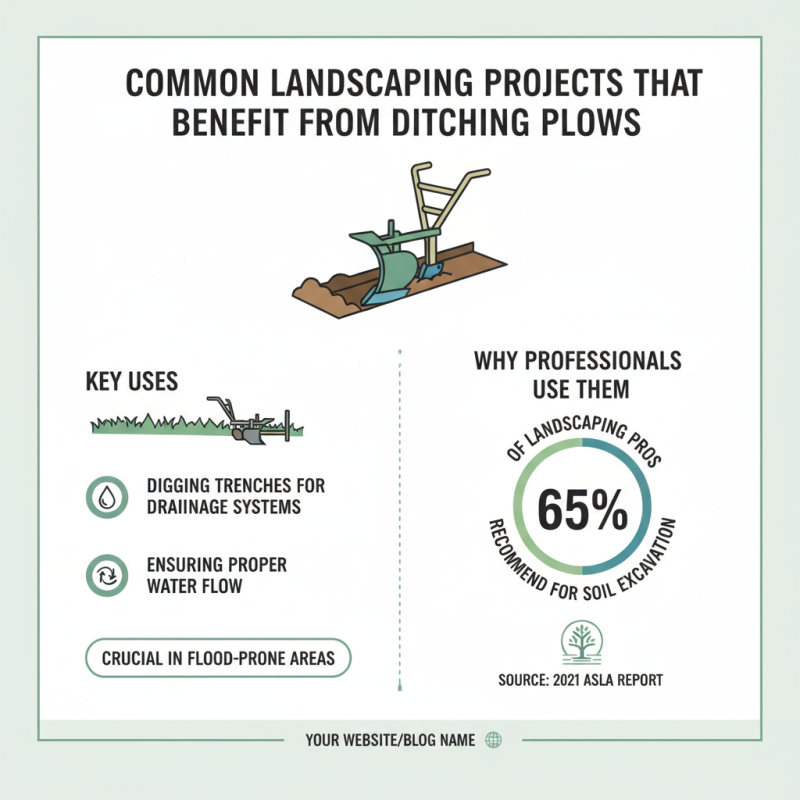
Ditching plows are vital tools for various landscaping projects. They dig trenches for drainage systems, ensuring proper water flow. This is crucial in areas prone to flooding. According to a 2021 report from the American Society of Landscape Architects, 65% of landscaping professionals recommend using ditching plows for soil excavation.
Moreover, these plows assist in planting and irrigation projects. They create furrows for seed placement, leading to better seed-to-soil contact. A study from the Landscape Contractor's Association shows that effective use of ditching plows can increase crop yield by up to 30%. However, not all operators may realize the importance of soil conditions. Improper adjustment can lead to uneven trench depths, affecting performance.
Creating pathways for utility lines is another common use. Ditching plows simplify this process. They allow for quick and precise digging, reducing labor time. Yet, operators should be cautious. Misjudging the depth can lead to damages or safety issues. Regular training is essential to maximize the benefits of ditching plows in landscaping.