How to Effectively Use a Ditching Plow for Optimal Farming Results?
The Ditching Plow is an essential tool in modern agriculture, designed to improve soil management. Studies show that proper plowing can increase crop yields by up to 20%. Farmers often overlook this vital equipment, leading to suboptimal land use. A report from the American Society of Agricultural and Biological Engineers emphasizes the need for effective implementation of this tool.
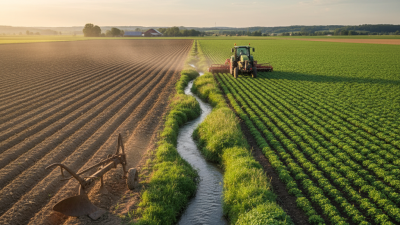
Using a Ditching Plow can help create drainage systems, which are crucial for soil health. These systems also reduce waterlogging, a common issue that hinders crop growth. However, incorrect usage can lead to soil erosion, a problem many farmers still face. Reflecting on these challenges is important for progress.
Investing in training on Ditching Plow techniques can yield remarkable improvements. With effective practices, farmers can maximize their land’s potential. A careful approach is essential to balance efficient farming with environmental considerations. In a rapidly changing agricultural landscape, these tools hold significant value.
Understanding the Basics of a Ditching Plow and Its Functionality
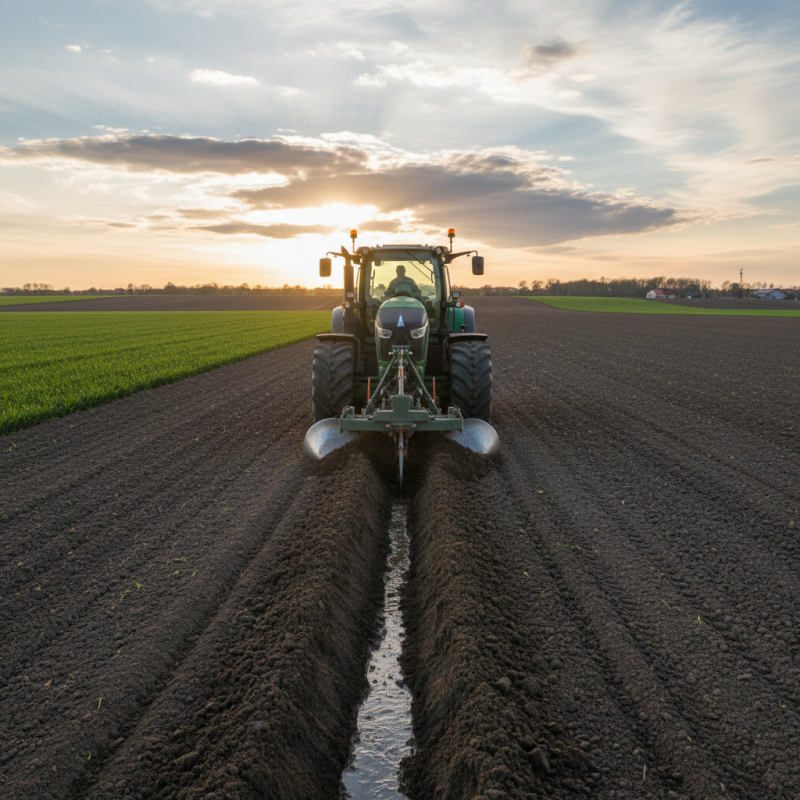
A ditching plow is essential for farmers seeking efficient land management. It creates deep trenches, ideal for drainage and irrigation. Understanding its functionality is key to maximizing its benefits. Proper use can prevent soil erosion and enhance crop yield.
Tip: Always check the plow's depth before starting. An improper depth can cause uneven furrows. Even small adjustments can lead to significant differences in efficiency.
This tool may look simple, but its impact is profound. Farmers often overlook maintenance needs. Neglecting this can lead to subpar performance. Regularly inspect the blades and make necessary replacements.
Tip: Consider the soil type when using a ditching plow. Different soil types require different techniques. Be adaptable and willing to experiment. Sometimes, what worked last season may not be effective now.
How to Effectively Use a Ditching Plow for Optimal Farming Results
This chart illustrates the effectiveness of a ditching plow in various applications crucial for optimal farming results. Each category represents a different aspect of how ditching plows contribute to farming efficiency and productivity.
Selecting the Right Ditching Plow for Your Farming Needs
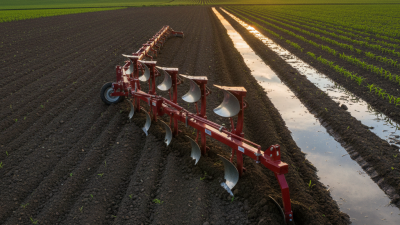
Choosing the right ditching plow can greatly impact your farming endeavors. Consider the soil type in your fields. Sandy soils may require a lighter plow, while heavier clay soils need a sturdier design. According to the USDA, optimal soil management can increase crop yields by up to 25%.
Size matters. Assess the horsepower of your tractor to ensure compatibility. A mismatch can lead to inefficiencies and possible damage. Research shows that properly matched equipment enhances productivity. Look for plows with adjustable depth settings. This feature allows for greater control over the soil disturbance, an essential factor for effective farming practices.
Tip: Regular maintenance of your ditching plow ensures longevity. Check for wear and tear after every use. A well-maintained plow can last twice as long as one that isn’t cared for.
Consider the plow’s versatility. Some models can serve multiple purposes, such as creating trenches for irrigation or drainage. This flexibility can save time and improve overall farm efficiency. However, a complicated design might hinder your operations. Aim for a balance between functionality and usability. Make sure you can easily operate your chosen plow without excessive training.
How to Effectively Use a Ditching Plow for Optimal Farming Results?
| Feature |
Description |
Best Use Case |
Advantages |
Disadvantages |
| Single Moldboard Plow |
Used for turning over soil in narrow ditches. |
Small-scale farming and gardens. |
Easy to maneuver; good for soft soil. |
Limited to smaller fields; not suitable for heavy clay. |
| Double Moldboard Plow |
Covers more ground; turns soil more effectively. |
Larger farms with wider ditches. |
Increases efficiency; better at breaking up compact soil. |
Heavier equipment; requires more horsepower. |
| Sub-soiler Plow |
Used for deep tilling below the surface layer. |
Fields with hardpan issues. |
Improves drainage; allows root growth. |
Not ideal for surface soil disruption. |
| Green Manure Plow |
Designed to incorporate crops used for soil enhancement. |
Organic farms; green manure practices. |
Enhances soil fertility; improves soil structure. |
Requires timing and specific crop types. |
Step-by-Step Guide to Operating a Ditching Plow Safely and Efficiently
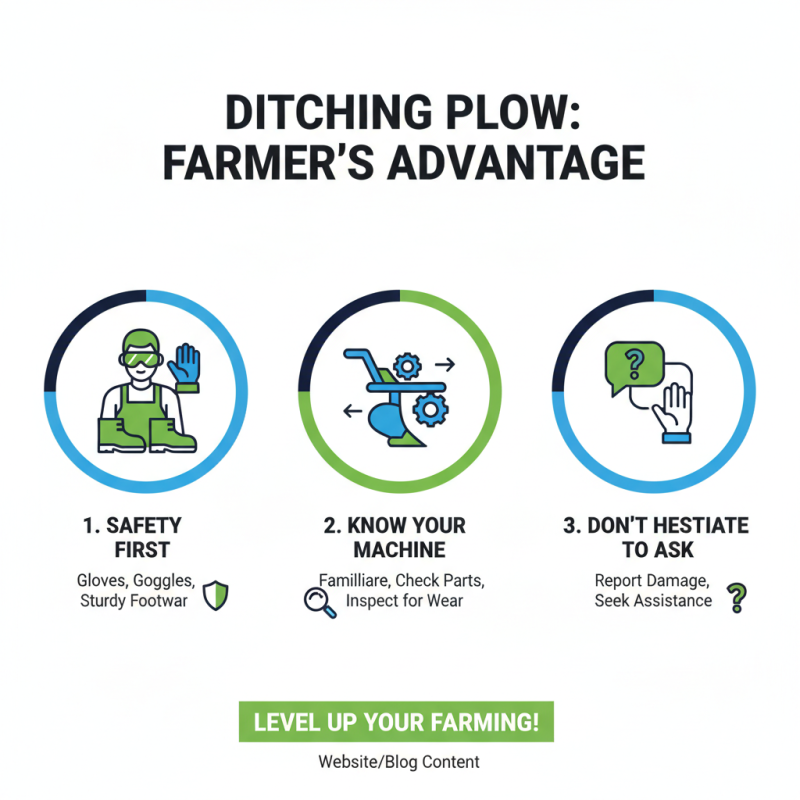
Operating a ditching plow can be a game-changer for farmers. To start, ensure you have the right safety gear. This includes gloves, goggles, and sturdy footwear. Next, familiarize yourself with the machine. Check all parts before use. Look for any signs of wear or damage. If something seems off, don’t hesitate to ask for help.
As you begin to operate the ditching plow, maintain a steady speed. Too fast, and you could cause uneven digging. Too slow may hinder efficiency. Keep an eye on the soil depth. Adjust the plow settings as needed. It’s crucial to adapt to different soil types, which can vary widely. Some areas may require more pressure than others.
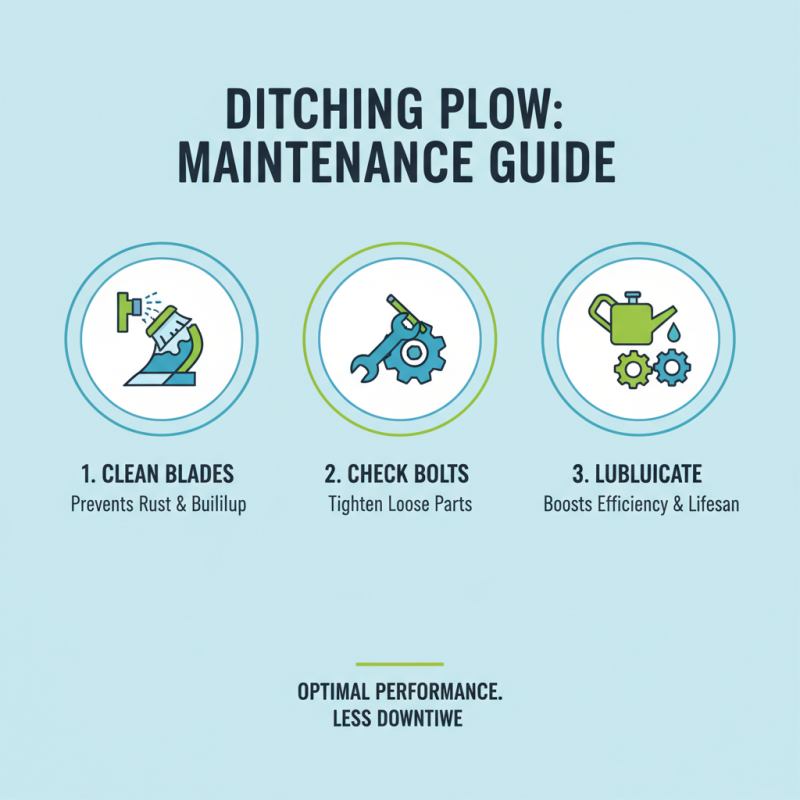
After your task is complete, clean the plow thoroughly. Dirt and debris can lead to rust or deterioration. Inspect it for any damage again. Reflect on your operation today. Did you notice any challenges? Learn from these experiences to make your future plowing more effective. Remember, mastering a ditching plow takes practice and patience.
Maximizing Benefits: Integrating Ditching Plowing into Your Farming System
Integrating ditch plowing into your farming system can significantly enhance productivity. This technique creates drainage channels, improving water management. It helps reduce soil erosion and enhances root growth. Even small adjustments can lead to substantial improvements in your yield.
Tips: Choose the right depth for your ditching plow. Too deep can disturb the soil structure. Testing different depths may yield better results. Scheduling your plowing during dry conditions can maximize efficacy. Wet soil may create clumps, which are hard to manage.
Monitoring your soil condition is essential. After ditching, check for compacted areas. Compaction can hinder water absorption. Regularly assessing your soil will help identify problems early. It’s vital to adapt your methods over time. Don't hesitate to experiment with your techniques. Adjustments based on seasons or crop types might be necessary for optimal success.