10 Essential Tips for Choosing the Right Corn Harvester for Your Farm?
Choosing the right corn harvester for your farm can significantly impact efficiency and yield. Renowned agricultural expert Dr. John Matthews emphasizes, “A well-chosen corn harvester maximizes productivity and minimizes losses.” This statement underscores the importance of careful consideration in selection.
Navigating the market can feel overwhelming. With various options available, understanding your specific needs is vital. Features such as the size of your fields, soil conditions, and budget play crucial roles in this decision. Rushing can lead to regrettable mistakes, such as purchasing a machine unsuitable for your land or operational style.
It’s also essential to reflect on the long-term implications of your choice. An inappropriate corn harvester might cause delays during harvest season or increase repair costs. Paying careful attention now can save you from significant challenges later on. Making an informed choice about your corn harvester is not just about buying a machine; it’s about investing in the future of your farm.
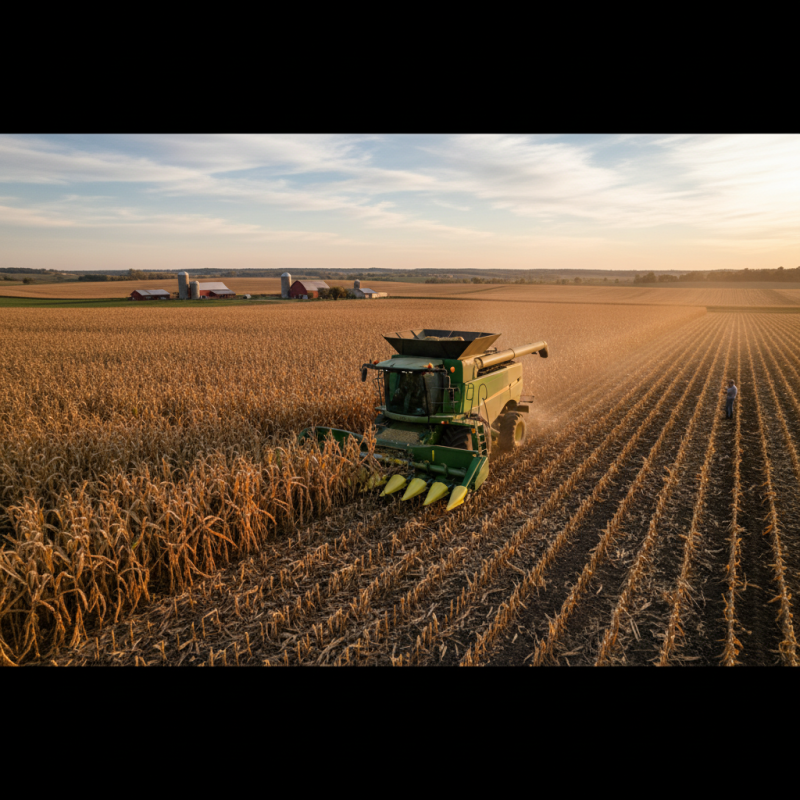
Importance of Selecting the Right Corn Harvester for Crop Yields
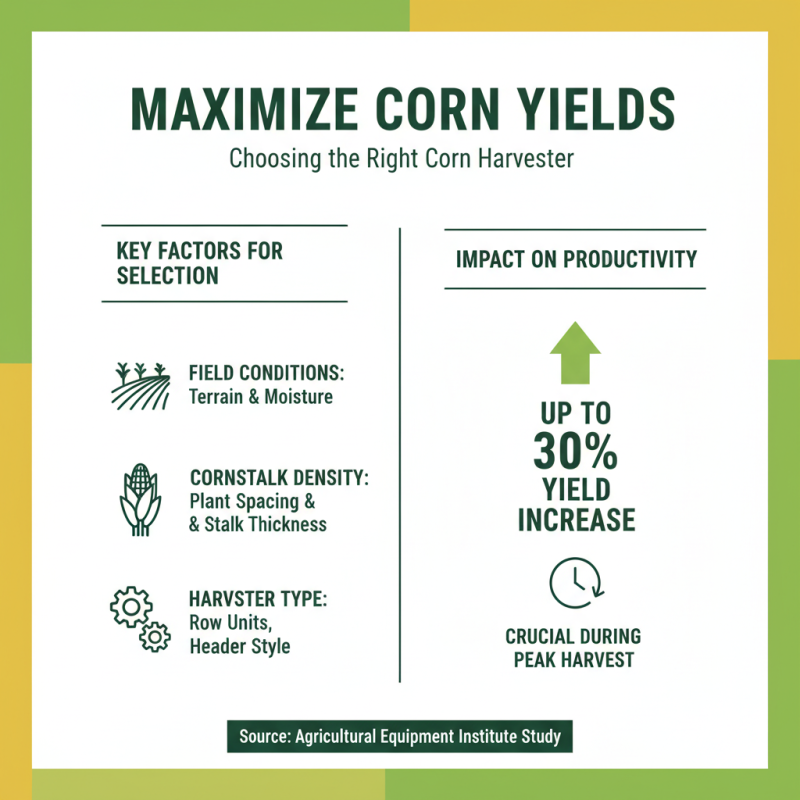
Choosing the right corn harvester is crucial for maximizing crop yields. A recent study by the Agricultural Equipment Institute indicates that a well-suited harvester can boost productivity by up to 30%. This increase is particularly significant during peak harvest times. Farmers must consider several factors when making their decision, such as field conditions and cornstalk density.
The right equipment affects not just yield, but also quality. According to the U.S. Department of Agriculture, inefficient harvesting can lead to a loss of 5-10% in crop quality. This loss translates directly into lower profits. However, many farmers overlook this aspect, often focusing solely on the initial cost. It’s essential to analyze long-term benefits.
Additionally, maintenance capabilities play a vital role. A harvester that's difficult to repair can cause downtime during the harvest season. An article from Crop Science Journal points out that downtime can drop yields by 15%. Farmers often underestimate this impact, leading to lost opportunities and financial strain. Selecting the right corn harvester taken seriously is not just about today's harvest; it's about sustainability for future seasons.
Understanding Different Types of Corn Harvesters and Their Applications
When selecting a corn harvester, understanding the various types is crucial. There are two main categories: self-propelled and pull-behind harvesters. Self-propelled models feature advanced technology and are generally more efficient. They can navigate fields easily and collect corn quickly. However, these machines are often more expensive and require maintenance. On the other hand, pull-behind harvesters can be attached to tractors, making them a more cost-effective option. They may lack some advanced features, but they still deliver solid performance.
Each type of harvester has its own unique applications. For instance, a self-propelled harvester is ideal for large-scale operations where speed is essential. Fields with varied terrain may benefit from a pull-behind model, as it can offer more maneuverability. Nevertheless, the choice doesn't come without challenges. Farmer preferences may vary, and some might overlook the importance of size and capacity. This oversight can lead to inefficiency and increased labor costs. It's important to evaluate the specific needs of your farm, rather than simply choosing the trendiest option available.
Analyzing Cost vs. Efficiency: Finding the Right Balance in Harvesters
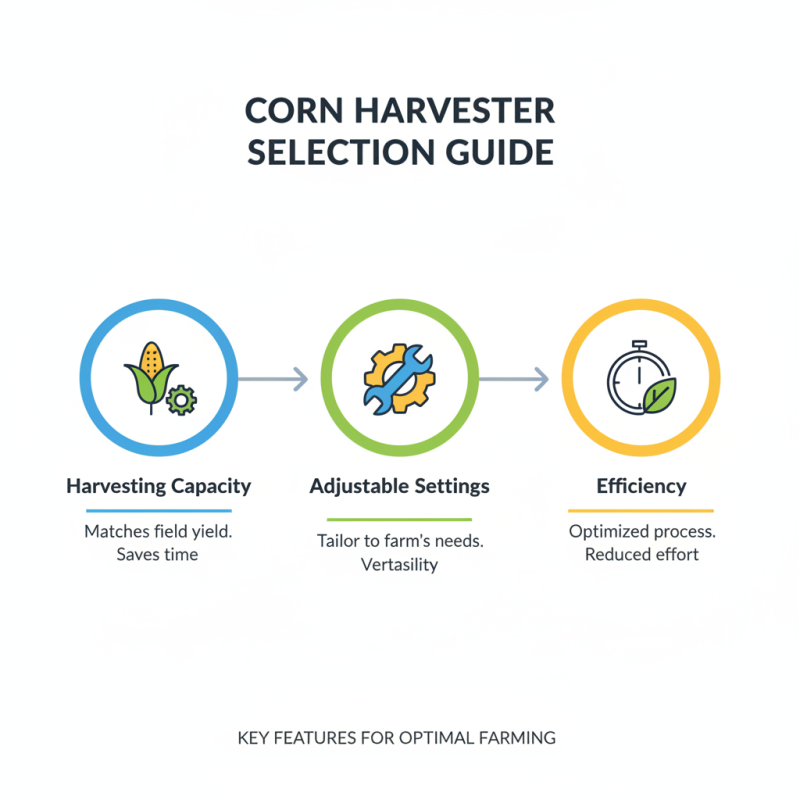
When selecting a corn harvester, balancing cost and efficiency is crucial. A powerful machine may seem appealing, but the initial investment can be daunting. It's essential to explore your options. Look into models that fit your budget while still providing reliable performance. Rental options might offer a temporary solution without the long-term financial burden.
Efficiency is not solely about speed; it's also about fuel usage and maintenance. A less expensive machine might consume more fuel, leading to higher operational costs. In contrast, an efficient model might save you money in the long run, despite a higher purchase price. Consider your harvesting volume. If your yield fluctuates, that could impact your decision. More frequent repairs on a cheaper model can erode any initial savings too.
Analyze your fields carefully. Some harvesters excel in specific terrains or conditions. If your farm has diverse landscapes, you might need a versatile option. Take time to research different models and talk to other farmers. Learning from their experiences can clarify your doubts. Ultimately, finding the right harvester requires thoughtful consideration of both cost and efficiency, ensuring it meets your farm's unique needs.
10 Essential Tips for Choosing the Right Corn Harvester for Your Farm
| Feature |
Description |
Cost ($) |
Efficiency (%) |
| Capacity |
The amount of corn processed per hour. |
15,000 |
90 |
| Fuel Efficiency |
Gallons used per hour during operation. |
30 |
85 |
| Maintenance Cost |
Average annual cost for repairs and maintenance. |
2,000 |
N/A |
| Storage Capacity |
Maximum amount of corn the harvester can hold. |
1,000 |
N/A |
| Technology Features |
Incorporation of GPS, automated settings, etc. |
5,000 |
75 |
Evaluating Manufacturer Reputation and After-Sales Support in Purchasing
When selecting a corn harvester, manufacturer reputation is vital. Research how long the company has been in the market.
Look for reviews and feedback from other farmers. A strong reputation often indicates reliable products. However, some brands may seem reputable but lack consistency.
Don't just rely on marketing materials. Speak to users directly for honest opinions.
After-sales support is equally important. A good manufacturer should offer training for your team. They should provide easy access to spare parts.
Sometimes, companies are quick to sell but slow to assist. Ensure they have a robust support system. Ask about response times for repairs or parts replacement.
Farmers often face downtime, so this can impact your operation.
Pay attention to their warranty terms too. Sometimes, what looks like a steal can turn out to be a costly mistake.
Choose wisely and do your homework.