What is a Farm Harrow and How Does it Work?
A Farm Harrow is a vital tool in modern agriculture. Renowned expert Dr. James Thompson emphasizes, "A Farm Harrow can significantly enhance soil aeration and seed bed preparation." These implements reduce soil compaction and improve crop yield.
Farm Harrows come in various designs, each suited for different land conditions. Their primary function is to break up clumps of soil. This process helps create a finer seedbed. However, many farmers may overlook the importance of proper maintenance. Neglecting this can lead to inefficient operation or even damage.
Understanding the mechanics of a Farm Harrow is crucial for every farmer. Proper usage can transform land quality and productivity. Indeed, the potential benefits are evident. Yet, the need for education on optimal usage remains. Farmers must reflect on their practices to ensure they harness the true power of their equipment.
What is a Farm Harrow?
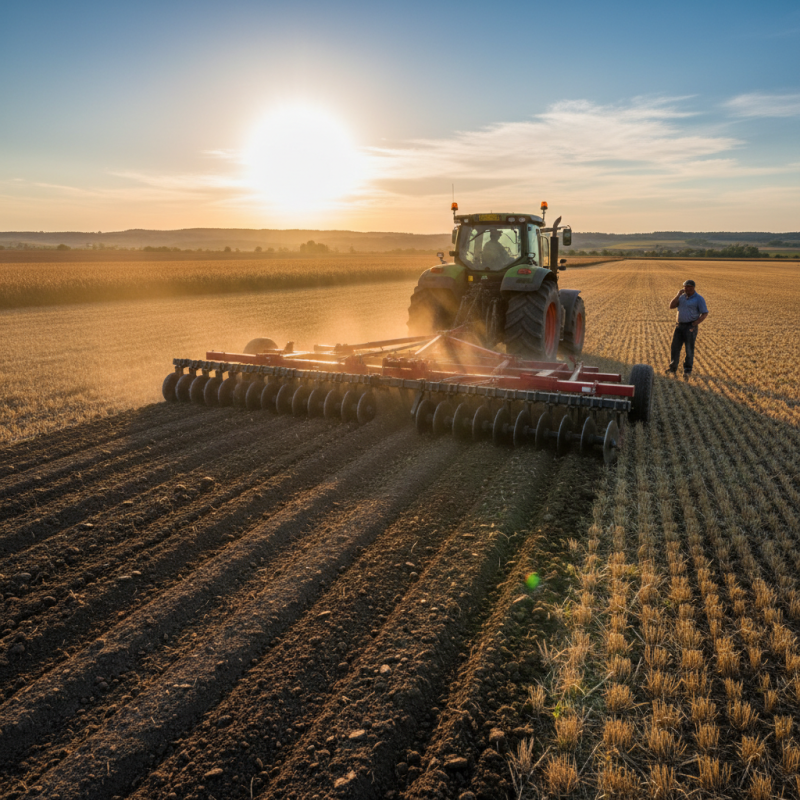
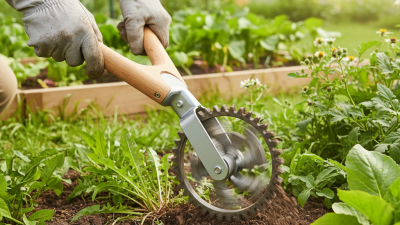
A farm harrow is an essential tool for agriculture. It is used to break up soil, prepare seedbeds, and level the ground. This implement plays a vital role in cultivating and optimizing soil conditions. Typically, a harrow consists of a series of angled tines or discs. These components dig into the soil, creating a finer texture.
Farm harrows come in different shapes and sizes. Some are towed behind a tractor, while others are manually operated. The design can affect how well the harrow works. Each type serves specific purposes, such as weed control or soil aeration. Not all farmers understand the full potential of their harrows. Some may overlook maintenance, causing inefficiency.
Using a harrow can be simple, yet still requires skill. Farmers need to adjust depth and speed based on soil conditions. Wrong settings may lead to uneven ground or poor seed coverage. Proper training can enhance productivity. Reflecting on the use of a farm harrow reveals areas for improvement and exploration. Each field presents unique challenges that can teach valuable lessons.
Types of Farm Harrows and Their Functions
Farm harrows play an essential role in soil preparation. They are categorized mainly into two types: drag harrows and heavy-duty harrows. Drag harrows are lightweight and versatile. They are suitable for a variety of soil conditions. Farmers often use them for leveling and breaking up clods. This promotes better seedbed preparation.
Heavy-duty harrows, on the other hand, are robust tools designed for more challenging tasks. They can penetrate hard soil to create a fine seedbed. Their construction allows them to handle tougher soil types. Many farmers grapple with the choice of the right harrow. It's crucial to assess soil conditions and requirements. Ignoring this might lead to poor results.
Additionally, some may overlook maintenance needs. A well-maintained harrow will work efficiently. Dull or damaged tines reduce effectiveness. Farmers must stay attentive to these details. Regular checks can save time and enhance productivity. Balancing choice and upkeep is key in effective farming practices.
How a Farm Harrow Operates: Mechanics and Design
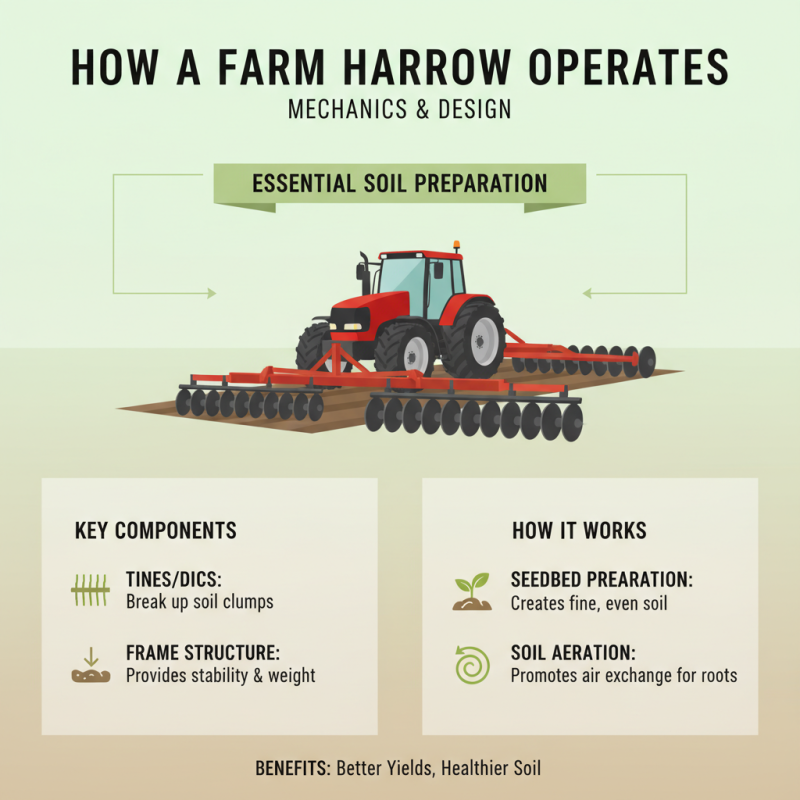
A farm harrow is an essential tool in agriculture. Its design is simple yet effective in soil preparation. It consists of a series of tines or discs that break up soil clumps. This structure allows for better seedbed preparation and promotes air exchange in the soil.
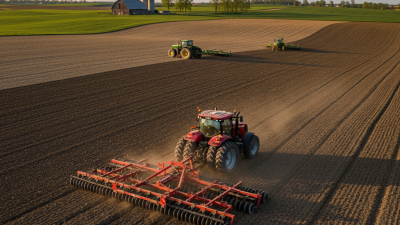
When in operation, a farm harrow is towed behind a tractor. The motion of the tines penetrates the ground, mixing topsoil with nutrients. You can adjust the angle of the tines, influencing the depth of tillage. However, improper setup can cause uneven soil texture. Farmers must be attentive to their approach and technique.
The effectiveness of a farm harrow depends on soil type and moisture levels. For example, dry, compacted soil requires different handling than wet soil. In practice, this means trial and error. Each field may need a different strategy. Attention to these details ensures optimal soil conditions for planting. Understanding how to fine-tune the harrow’s operation can lead to improved crop yields.
Applications of Farm Harrows in Modern Agriculture
Farm harrows have become essential tools in modern agriculture. They are used primarily to break up soil clumps, prepare seedbeds, and control weeds. With the world’s population projected to reach 9.7 billion by 2050, efficient farming practices are critical. Modern harrows help meet these demands. According to industry reports, up to 30% of arable land is left underutilized due to ineffective soil preparation.
The applications of farm harrows span diverse agricultural settings. They can be employed on large fields to enhance soil aeration and nutrient distribution. In smaller operations, they assist in precision farming, allowing for focused cultivation in narrower plots. Farmers often combine harrowing with other practices like crop rotation or cover cropping to improve yield. Studies indicate a 10-15% increase in crop output when harrowing is used effectively in the growing cycle.
Tips: Always adjust the harrow settings according to soil conditions. Striking the right balance is vital. Overworking the soil can cause structure damage, while underutilization may lead to poor yields. Monitor the soil moisture level as well. Too dry or too wet can hinder effectiveness. Regular maintenance of harrows is also crucial to ensure optimal performance and longevity. Consider alternating harrow types for diverse field conditions.
Benefits of Using a Farm Harrow in Soil Preparation
A farm harrow is an essential tool for soil preparation. It helps create a fine seedbed by breaking up clods and leveling the soil. Using a harrow can significantly enhance seed-to-soil contact. This results in improved germination rates. Studies show that using a harrow can increase crop yields by up to 25% when compared to fields left untouched.
In addition, harrowing can help control weeds. By disturbing the soil surface, it disrupts the growth of weed seeds. According to the Agricultural Research Service, regular use of a harrow can reduce weed populations by as much as 40%. This reduces the need for herbicides, promoting a more sustainable farming approach. However, overharrowing can lead to soil compaction and erosion, which requires careful consideration.
Moreover, farm harrows contribute to soil aeration. Proper aeration allows for better water infiltration and nutrient absorption. Farmers must balance harrowing frequency with soil health. Too much disturbance can harm beneficial soil organisms. It's essential to evaluate soil conditions regularly and adjust harrowing practices accordingly. Striking the right balance can lead to healthier crops and sustainable farming practices.
Benefits of Using a Farm Harrow
This bar chart illustrates the various benefits of using a farm harrow in soil preparation, rated on a scale of 1 to 10. The key benefits include soil aeration, weed control, soil leveling, clod breaking, and seedbed preparation, showcasing the harrow's effectiveness in enhancing soil conditions for farming.