
Leave Your Message

How to Choose the Best Lawn Mowers in 2026?

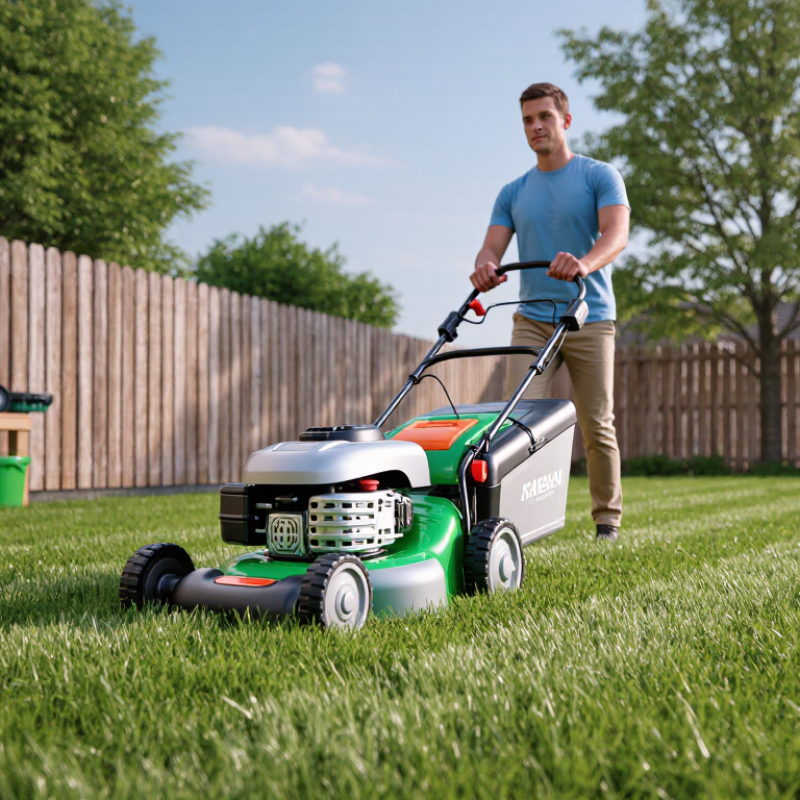
Choosing the right Lawn Mowers in 2026 is not simply about selecting the newest model. It is about matching equipment to your grass, terrain, storage space, and daily routine. A small urban yard may need a quiet battery mower, while a sloped half-acre property could demand stronger traction and wider cutting capacity. Wet spring grass also exposes weak motors quickly.

Kris Kiser, president of the Outdoor Power Equipment Institute, has said, “The owner’s manual is your best friend when it comes to operating and maintaining your outdoor power equipment.” That advice remains practical. Before comparing Lawn Mowers, check battery charging time, deck height adjustment, blade access, noise levels, and available replacement parts. A bright display looks useful, but it cannot compensate for poor handling or limited runtime.

Real experience often changes the decision. A mower that feels light on a showroom floor may struggle through thick grass. Wheels can sink into soft soil. A cordless model may finish a neat lawn easily, then stall when weeds become dense. No guide gets every yard right. I may favor battery power for quieter neighborhoods, yet a large property owner may reasonably prefer a dependable petrol machine. The better choice depends on measurable needs, not advertising language. This guide examines cutting performance, safety features, maintenance demands, operating costs, and long-term reliability. It also questions tempting features that add expense without improving the mowing experience. A careful choice should leave clean stripes, fewer repairs, and enough energy for the rest of the day.
How to Choose the Best Lawn Mowers in 2026?

Lawn Mower Types and Their Best Uses

Choosing the best lawn mower in 2026 starts with matching its design to your lawn, not its appearance. A reel mower suits small, flat areas with fine grass and frequent cutting. It works quietly and leaves a clean finish. However, it struggles with tall weeds, uneven ground, and neglected patches.

A rotary mower is more versatile for medium-sized yards. Its spinning blade handles thicker grass and occasional leaves, while cordless electric models reduce fuel storage and routine engine maintenance. Battery capacity matters more than advertised cutting width. A small yard may need only one charge, but dense grass can drain it quickly. Keep the blade sharp. A dull blade tears grass and leaves pale, ragged tips.

For large lawns, a riding mower saves time and reduces physical strain. Choose a wider deck for open ground, but use a smaller machine around trees, borders, and narrow gates. Robotic mowers suit regularly maintained lawns with clearly defined edges. They need careful setup and may perform poorly on steep slopes or irregular corners. I once selected a wide mower for a compact garden; turning became frustrating, and trimming took longer afterward. Measure gates, slopes, storage space, and mowing frequency before buying. Avoid cutting wet grass, even when the schedule feels inconvenient.
Key Features to Compare Before Buying

How to Choose the Best Lawn Mowers in 2026?

Before buying, compare cutting width, deck height, power source, and handling comfort. A wider deck covers more grass per pass, but it may struggle through narrow gates. Measure your storage area and garden paths first. Small details matter.

Battery models offer quieter operation and simpler maintenance. Check the stated runtime, charging time, and battery replacement cost. Wet or thick grass can reduce performance noticeably. Corded models suit small yards, but cable management requires constant attention. Petrol-powered machines can handle demanding areas, though they need regular servicing and fuel storage. No option is perfect.

Wheel size affects control on uneven ground. Larger rear wheels usually move more smoothly across rough lawns. Look for a height adjustment system that feels secure, not flimsy. A removable grass bag should empty easily without spilling clippings everywhere. Safety features, such as a blade brake or presence-control handle, deserve careful inspection.

Noise and vibration are easy to overlook. They become tiring after thirty minutes. Try the handle position before purchasing, if possible. Also compare cleaning access beneath the deck, because trapped grass can encourage corrosion. Product specifications can be optimistic, so read independent test results and user reports. I would not choose based on cutting power alone; ease of repair may matter more over several seasons.

How to Match a Mower to Your Lawn

Choosing a mower starts with the lawn, not the advertisement. Measure the grass area, gate width, slopes, trees, and storage space. Measure the gate.

The National Association of Home Builders’ 2023 buyer survey reported a median desired lot size of 0.27 acre. That figure includes the house, driveway, and paths, so it does not equal mowing area. A small, flat lawn usually suits a lightweight walk-behind mower with a narrow deck. Narrow decks turn more easily around flower beds. Larger open lawns reward wider cutting decks, but only when your storage door and trailer can accept them.

Slope changes the decision. A self-propelled model can reduce pushing effort, while a heavy ride-on mower may feel unstable on uneven ground. The American Society of Agricultural and Biological Engineers’ residential mower standard emphasizes operator controls, guarding, and stability; check these features before comparing cutting speed. Battery runtime also deserves a practical test. Manufacturers often measure runtime under ideal conditions, not wet grass or repeated thick growth. My own mistake was choosing maximum width for a crowded yard. The machine saved passes but demanded awkward reversing near trees. Leave room for real movement.

How to Choose the Best Lawn Mowers in 2026? - How to Match a Mower to Your Lawn

Typical specifications and suitability ranges for common residential lawn-mower categories. Actual performance varies by model, grass conditions, slope, and maintenance.
Mower profile Best lawn size Recommended terrain Typical cutting width Power or energy Typical runtime or mowing capacity Typical cutting-height range Collection and mulching Best match when...
Manual reel mower Up to 1,000 sq ft Flat, even ground with short, fine grass 14–18 in Human-powered; no fuel or battery Continuous use; limited by operator effort 0.5–2.5 in Usually rear-discharge; some models accept a grass catcher Low noise, low maintenance, and a clean cut are more important than speed.
Corded electric walk-behind Up to 5,000 sq ft Flat or gently sloped lawns near an outdoor outlet 14–21 in Electric motor; commonly 10–15 amps Continuous operation while connected; cable management required 1–4 in Commonly supports bagging, side discharge, and mulching You want consistent power without fuel storage or battery charging.
Battery-powered walk-behind Up to 8,000 sq ft per charge Flat to moderately sloped residential lawns 16–22 in Rechargeable lithium-ion battery, commonly 36–80 V Approximately 30–60 minutes, depending on grass and cutting width 1–4 in Usually supports bagging, side discharge, and mulching You need quieter, cordless mowing and can recharge between sessions.
Gas-powered walk-behind 5,000–20,000 sq ft Uneven, thick, or moderately sloped lawns 20–22 in Four-stroke gasoline engine, commonly 140–200 cc Typically 45–90 minutes per fuel tank 1–4.5 in Frequently offers bagging, side discharge, and mulching You need strong sustained performance for dense or overgrown grass.
Self-propelled walk-behind 8,000–25,000 sq ft Sloped, uneven, or larger lawns 20–22 in Gas or battery; drive system adds energy use Approximately 30–90 minutes, depending on power source and terrain 1–4.5 in Typically supports bagging, side discharge, and mulching Reduced pushing effort and traction are priorities on inclines or rough ground.
Zero-turn riding mower 0.5–2 acres Mostly open, relatively level lawns with few obstacles 42–60 in Gas engine, commonly 18–27 horsepower Approximately 1–2 acres per hour, depending on width and conditions 1.5–5 in Side discharge is common; bagging and mulching may require attachments Fast coverage and precise maneuvering around trees are essential.
Garden tractor or lawn tractor 1–3 acres Large lawns with moderate slopes and regular towing needs 42–54 in Gas engine, commonly 18–25 horsepower Approximately 1–2 acres per hour 1–4 in Bagging, side discharge, and mulching options are commonly available You need a versatile riding machine for mowing, towing, and seasonal attachments.
Quick selection guide: Measure the mowable area rather than the total property size, assess slope and obstacles, then choose the narrowest deck that can comfortably pass through gates and around landscaping. For battery models, select enough battery capacity to finish the lawn without a mid-session recharge.

Evaluating Power Sources, Cutting Performance, and Maintenance

Choosing the best lawn mower in 2026 starts with matching power to your yard. Battery models offer quiet operation, quick starting, and fewer fumes. They suit small and medium lawns with manageable grass height. Corded electric mowers work well near outlets, but cable movement can become frustrating. Petrol engines still handle thick, wet growth effectively. However, they require fuel storage, oil checks, and more careful servicing.

Cutting performance depends on more than motor strength. A sharp blade should produce clean, even cuts without tearing the grass. Select a cutting width that fits your lawn’s layout. Wider decks save time in open areas, while narrower decks turn more easily around trees and beds. Adjustable cutting height helps protect roots during dry weather. I once lowered the deck too far after rain, and the mower struggled badly. That mistake changed my view of “maximum power.”

Maintenance affects reliability over several seasons. Clean grass from the deck after each use, especially when clippings are damp. Inspect the blade regularly and balance it after sharpening. Battery users should store packs in a cool, dry place and avoid leaving them fully discharged. Petrol mower owners need fresh fuel and scheduled oil changes. Check safety controls before every session. They take seconds. Neglecting them can create expensive problems. Performance claims also deserve skepticism, because mowing speed changes with slope, grass density, and operator technique.

Choosing the Best Lawn Mower for Your Budget in 2026

Choosing a lawn mower in 2026 starts with your budget, not a feature list. Set a complete spending limit before comparing models. Include fuel, charging equipment, replacement blades, and seasonal maintenance. A low purchase price can become expensive after two summers. I once chose a mower by sticker price alone. That estimate was wrong. Measure your lawn size and slope. A small, flat yard may suit a lightweight electric mower. Larger grass areas may justify a wider cutting deck or riding machine. Keep storage space in the calculation.

For modest budgets, corded electric or basic battery mowers can work well. They usually need less routine maintenance than fuel-powered equipment. Check battery runtime against your real mowing time, not the advertised maximum. Thick, damp grass reduces performance. Allow extra time. A mid-range budget can provide adjustable cutting heights, stronger motors, and better collection systems. These features matter if grass grows quickly or leaves cover the lawn. However, more settings do not guarantee better results. Test whether controls feel clear and sturdy.

Higher budgets should improve comfort and durability, not merely add technology. Look for a balanced handle, easy height adjustment, durable wheels, and accessible blade maintenance. For steep or uneven ground, stability deserves priority over cutting speed. Safety features should include a reliable blade brake or automatic shutoff. Read independent testing and user reports from several seasons. Expert specifications help, but real owners reveal noise, charging problems, and repair delays. Keep receipts and check parts availability before buying. A cheaper mower may be sensible for a small rental yard. It may be frustrating for a large property. Your budget should match the work, not your wish list.