How to Maintain a Diesel Engine for Optimal Performance?
Maintaining a Diesel Engine is crucial for ensuring its optimal performance and longevity. According to a report by the Diesel Technology Forum, about 100 million diesel engines are in operation globally, emphasizing the importance of proper maintenance. In the words of industry expert John Peterson, "Routine checks can prevent costly repairs and enhance engine life."
A well-maintained Diesel Engine not only runs efficiently but also meets environmental standards. Neglecting regular service can lead to diminished performance and increased emissions. Reports indicate that poorly maintained diesel engines can produce up to 40% more nitrogen oxide emissions. This not only affects the environment but also impacts operational costs.
Engaging in preventive maintenance is essential. Simple tasks like checking the oil, replacing filters, and monitoring fuel quality can make a significant difference. However, many owners overlook these basics. Regular inspections ensure that your Diesel Engine operates at peak efficiency, extending its lifespan. A little attention goes a long way in safeguarding your investment.
Understanding Diesel Engine Fundamentals for Maintenance
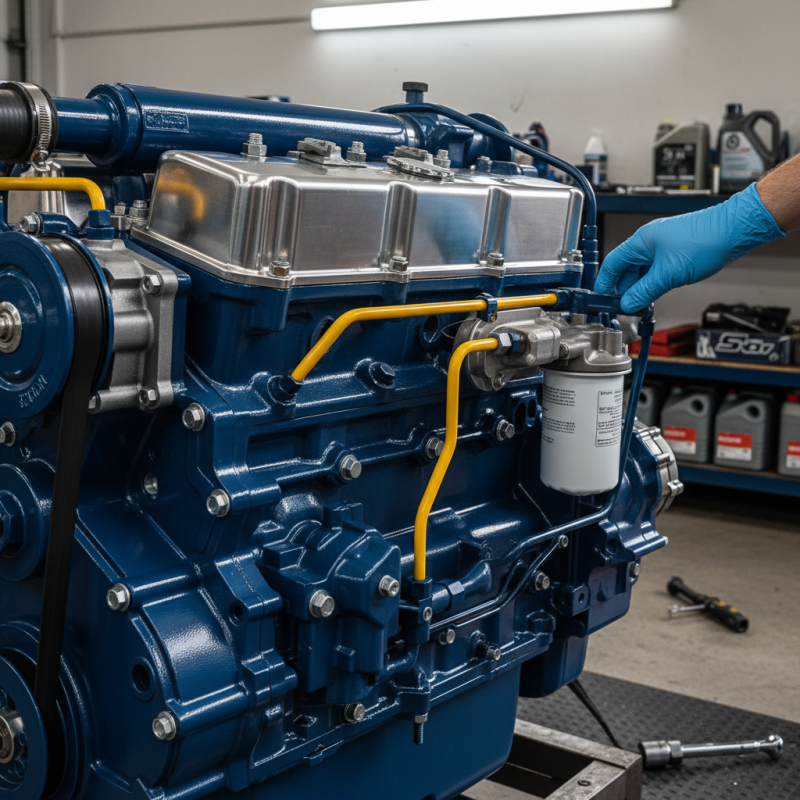
Understanding the fundamentals of diesel engines is essential for effective maintenance. A diesel engine operates differently than a gasoline engine. The combustion process relies on compression, making it more efficient but also more complex. Knowing how each component interacts enhances your maintenance efforts.
Regular oil changes are crucial. Engine oil lubricates parts and reduces friction. Use high-quality oil specified for diesel engines. Check oil levels frequently. Dirty oil can lead to severe damage over time. Monitor all fluids closely, including coolant and fuel filters.
Tips: Inspect fuel filters regularly. Clogged filters restrict fuel flow, affecting performance. Clean or replace them as needed. Keep air filters clear to ensure optimal airflow. A clean filter prevents debris from entering the engine.
Pay attention to the exhaust system. Any signs of leaks can indicate underlying issues. Smoke color can also reveal problems. Blue smoke suggests oil is burning, while black smoke indicates excessive fuel. Regular diagnostics can detect these issues early.
Key Maintenance Practices to Enhance Diesel Engine Longevity
Diesel engines are known for their strength and durability. Regular maintenance can significantly enhance their lifespan. Keeping an eye on essential components is crucial.
Tip: Check oil levels regularly. Low oil can cause serious damage. Dirty oil also hampers performance. Change the oil every few thousand miles. Use high-quality filters to trap contaminants.
Another practice is monitoring the cooling system. Overheating is a common issue. Keep coolant levels adequate. Replace worn hoses and check for leaks. A cooling system in good shape prevents major engine failures.
Tip: Inspect fuel filters often. Clogged filters can hinder fuel flow. This can lead to poor performance. Replacing them regularly helps maintain efficiency. Pay attention to any unusual sounds. Sometimes, they indicate underlying problems. Maintaining a diesel engine demands diligence. Small oversights can lead to costly repairs.
Diesel Engine Maintenance Practices and Their Impact on Performance
The Importance of Regular Oil Change in Diesel Engines
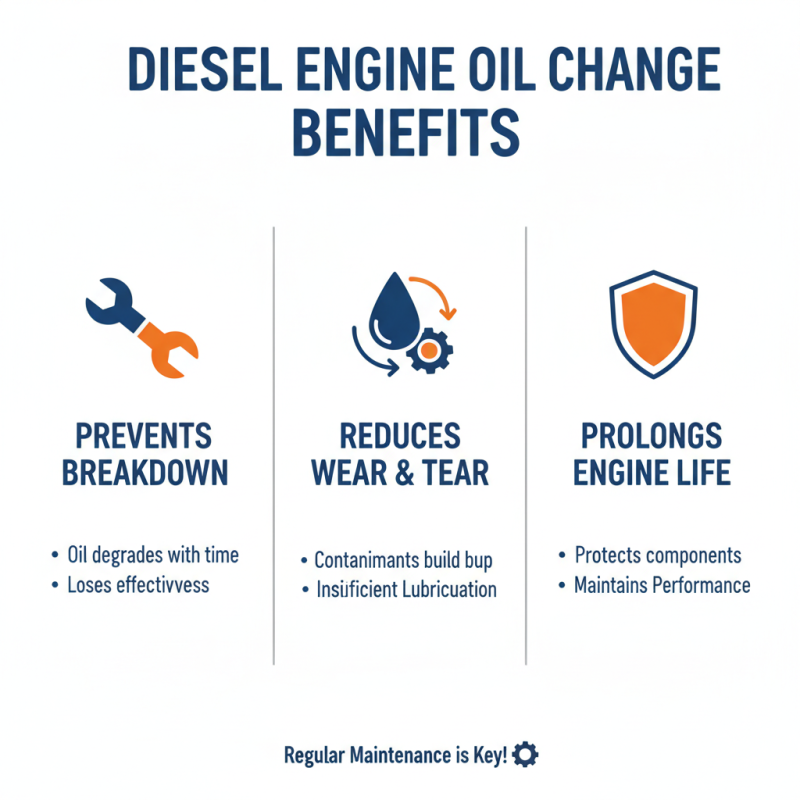
Regular oil changes are crucial for diesel engine maintenance. Over time, engine oil breaks down and becomes less effective. Contaminants build up as oil ages, which can harm engine parts. Old oil can lead to insufficient lubrication. This might cause increased wear and tear on vital components.
Changing the oil regularly can help prevent these issues. Fresh oil lubricates better and protects against friction. It also aids in keeping the engine clean. When the oil is clean, it helps in better fuel efficiency. This means that you can save money on fuel costs. However, some diesel owners might overlook this task, prioritizing other maintenance instead.
Inadequate oil changes can lead to a cascade of problems. Ignoring the oil change interval can result in engine damage. Some may think they can skip for a while. This mindset can backfire. Taking a few minutes for an oil change can save hours of costly repairs later on. Prioritize this simple yet vital step for your diesel engine's longevity.
Monitoring and Maintaining Fuel Quality for Diesel Engines
Fuel quality is crucial for the optimal performance of diesel engines.
Contaminated fuel can lead to severe engine problems. Regularly testing fuel quality helps identify issues before they escalate. Diesel fuel should be clean and free from water, dirt, and microbial growth.
This can be achieved by using proper filtration systems and regularly inspecting storage tanks.
Inspecting the fuel system is essential. Check hoses and connections for leaks or signs of wear. Any weak points can lead to contamination. Diesel fuel degrades over time, especially when exposed to air.
Keeping your fuel tanks full can minimize oxidation. However, it is easy to overlook this simple yet effective practice in daily operations.
Proper storage conditions also play a role. Diesel should be stored away from direct sunlight and extreme temperatures. Although it seems minor, temperature fluctuations can affect fuel composition.
Sometimes, we forget these details in the rush of daily maintenance. Regular checklist reviews can help remind users of these crucial aspects.
Staying vigilant about fuel quality ensures your diesel engine runs smoothly and efficiently.
Evaluating Cooling System Efficiency in Diesel Engine Performance
The cooling system is vital for diesel engine performance. Diesel engines run hotter than gasoline engines. Keeping the operating temperature in check is essential for efficiency. According to industry studies, overheating can lead to a 10% decrease in fuel efficiency. Effective cooling can also prolong engine life by preventing wear and tear.
Regular inspections of coolant levels and hose conditions are necessary. A small leak can lower coolant levels and elevate temperatures. Subpar coolant can allow deposits to build up, impeding heat transfer. Industry reports indicate that maintaining the right coolant mixture can enhance performance by 15%. It's crucial to monitor the radiator's condition too. A clogged radiator might lead to cooling failures, increasing the risk of engine damage.
Drivers often overlook the cooling system. Many assume that if the engine runs, everything is fine. This mindset can be risky, as minor cooling issues can escalate quickly. A proactive approach is essential. Regular maintenance checks and monitoring can prevent potential failures and identify areas for improvement.
How to Maintain a Diesel Engine for Optimal Performance? - Evaluating Cooling System Efficiency in Diesel Engine Performance
| Parameter |
Optimal Range |
Current Value |
Adjustment Needed |
| Coolant Temperature |
180°F - 210°F |
195°F |
None |
| Coolant Level |
Full |
Half |
Add Coolant |
| Thermostat Function |
Operational |
Functional |
None |
| Radiator Condition |
Clean and Clear |
Some debris |
Clean Radiator |
| Water Pump Operation |
Normal Operation |
Normal |
None |