Top 10 Farm Harrow Types Every Buyer Should Consider?
When it comes to preparing fields, choosing the right Farm Harrow is essential. Farmers face many options, and making a decision can feel overwhelming. The right harrow can improve soil quality, enhance seedbed preparation, and ultimately boost crop yields.
Understanding the different types of Farm Harrows available can simplify the buying process. Each type has its specific advantages and is better suited for certain soil conditions and farming practices. For instance, some harrows work well in heavy clay, while others excel in sandy soils. This diversity invites a deep exploration of available options.
As you consider a Farm Harrow purchase, reflect on your unique farming needs. Analyze what has worked or failed in the past. Each harrow model presents its pros and cons. Distinguishing these can lead to greater efficiency in your operations. This guide will highlight the top ten harrow types worth considering for your farm's success.
Types of Farm Harrows and Their Unique Features
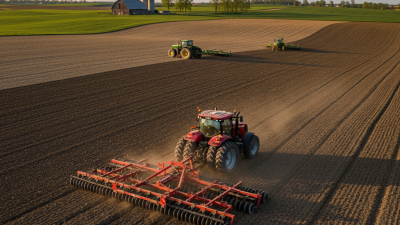
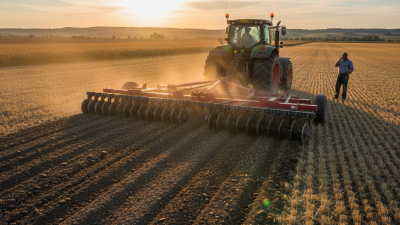
Farm harrows play a vital role in soil preparation. They come in various types, each with unique features suitable for different farming needs. One popular type is the disc harrow, known for its ability to cut through tough soil. With sharp metal discs, it effectively breaks up clumps and mixes soil. Operators often appreciate its efficiency during spring planting.
Another common type is the tine harrow. This harrow features long, flexible tines that can easily break up the soil surface. It’s particularly useful for incorporating residue left from previous crops. However, using a tine harrow in overly wet conditions can lead to soil compaction. This poses a risk that farmers must evaluate before use.
Chain harrows, on the other hand, are simpler in design. They consist of linked chains that level and break up soil after plowing. These harrows are perfect for mixing seeds into the soil evenly. Farmers should consider local soil conditions to ensure the right harrow type is chosen. Selecting the right farm harrow involves understanding the specific features and limitations of each type. This decision can significantly affect crop yields.
Comparison of Disc Harrows vs. Tine Harrows
When comparing disc harrows and tine harrows, several factors come into play.
Disc harrows feature sharp blades that cut through soil.
They are efficient for breaking up compacted soil. Their design allows for a more uniform seedbed preparation.
However, they require more maintenance and can be heavy, which might not suit all soil types.
Tine harrows use flexible tines to disturb the soil. They work well in lighter soils and can promote better aeration.
These harrows are easier to maneuver and less taxing on machinery. However, they may struggle with heavily compacted ground.
Tip: Before purchasing, evaluate your soil type and check the harrow's specifications. This ensures compatibility and efficiency.
Observing local farms can provide insight into what works best in your area.
Remember, both types come with unique advantages.
Consider your farming needs carefully. Assessing real experiences from other farmers can also help guide your decision.
Choose wisely for better crop yields.
Factors to Consider When Choosing a Farm Harrow
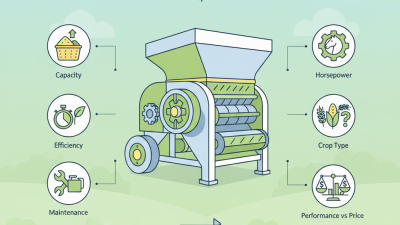
Choosing the right farm harrow involves several key factors. The type of soil on your farm significantly impacts your decision. Different harrows are suited for various soil types, whether sandy, clay, or loamy. A lighter harrow may work well in sandy soils, while heavier models are better for dense clay. Pay attention to the size of your farm too. Larger fields might require more robust equipment for efficient coverage.
The construction and design of a harrow also matter. Look for durable materials that can withstand tough conditions. Adjustable features can enhance versatility, allowing you to customize depth and intensity based on your needs. However, remember that complexity can sometimes lead to maintenance challenges. You may face a learning curve with multifunctional units.
Lastly, consider your budget. High-quality harrows can range significantly in price. Invest wisely, balancing cost with functionality. It’s important to reflect on your specific farming practices. Not every harrow suits every circumstance. Take time to research and possibly consult with experts. This investment will pay off in the long run, enhancing your farming efficiency.
Top 10 Farm Harrow Types Every Buyer Should Consider
| Harrow Type |
Best For |
Key Features |
Typical Width (ft) |
Weight (lbs) |
| Disc Harrow |
Tilling and soil preparation |
Adjustable gang angle, multiple disc sizes |
6-12 |
600-1200 |
| Spring Tooth Harrow |
Weed control and soil leveling |
Flexible teeth, light weight |
10-20 |
400-800 |
| Smoothing Harrow |
Preparing seedbeds |
Flat bars, adjustable for leveling |
8-16 |
300-700 |
| Chain Harrow |
Light tillage and seed incorporation |
Durable chain links, portable |
4-10 |
200-500 |
| Heavy-Duty Harrow |
Tough soil types and debris |
Reinforced framing, heavy teeth |
10-20 |
800-1500 |
| Field Cultivator Harrow |
Seedbed preparation |
Multiple row arrangement, adjustable depth |
12-24 |
900-2000 |
| Offset Harrow |
Wide tilling processes |
Dual angle adjustment, greater efficiency |
12-18 |
800-1600 |
| Vertical Tillage Harrow |
Minimal disturbance tillage |
Straight shank knives, improved residue management |
10-22 |
1000-2500 |
| Roller Harrow |
Compaction and leveling finishes |
Raised design for better soil contact |
12-16 |
600-1200 |
Benefits of Using Harrows in Modern Agriculture
Harrowing plays a crucial role in modern agriculture. It allows farmers to prepare soil effectively. By breaking up compacted ground, harrows improve aeration. This encourages better root growth and enhances moisture absorption. Farmers often combine harrowing with other tillage practices for optimal results.
Using harrows can also manage weed growth. They disturb weeds while leaving established crops intact. This reduces the need for chemical herbicides, promoting sustainable farming. Furthermore, harrows can incorporate crop residues back into the soil. This adds organic matter and enriches the nutrients available for future crops.
However, there are challenges in selecting the right harrow type. Different soils and crop types require specific designs. Farmers need to evaluate their needs carefully. It’s essential to balance between efficiency and soil health. Taking these factors into account can improve overall farm productivity. A well-chosen harrow enhances sustainability in modern agriculture.
Maintenance Tips for Prolonging Harrow Lifespan
Proper maintenance of farm harrows is crucial for ensuring longevity and efficiency. Regular inspections can prevent major breakdowns. Look for signs of wear on tines and frames. Keeping the harrow clean is equally important. Accumulated dirt and residue can lead to corrosion, affecting functionality. Simple cleaning after each use can significantly extend its lifespan.
Lubrication is another key maintenance tip. Use appropriate lubricants on moving parts to minimize friction and wear. Check for loose bolts regularly; tighten them to avoid accidents or equipment failure. Operators should be mindful of soil conditions. Excessively wet or dry soil can strain the harrow. Adapt your usage to match field conditions for optimal performance. These simple yet vital steps can make a difference in how long your harrow serves you.
Top 10 Farm Harrow Types and Their Average Maintenance Costs