Top Threshing Machine Types for Efficient Crop Processing Techniques?
Efficient crop processing relies significantly on advanced threshing machines. According to a report by Agritech Insights, the global threshing machine market is projected to grow at a CAGR of 5.6% from 2022 to 2030. This indicates a rising demand for effective crop processing solutions, driven by increasing agricultural productivity and mechanization needs.
Expert John Miller, an authority in agricultural machinery, states, "The right threshing machine can drastically increase efficiency in crop processing." His insights reflect the importance of selecting the appropriate machine type to meet specific crop requirements. Various threshing machine types, from traditional to modern designs, offer unique advantages tailored to different farming scales and crop types.
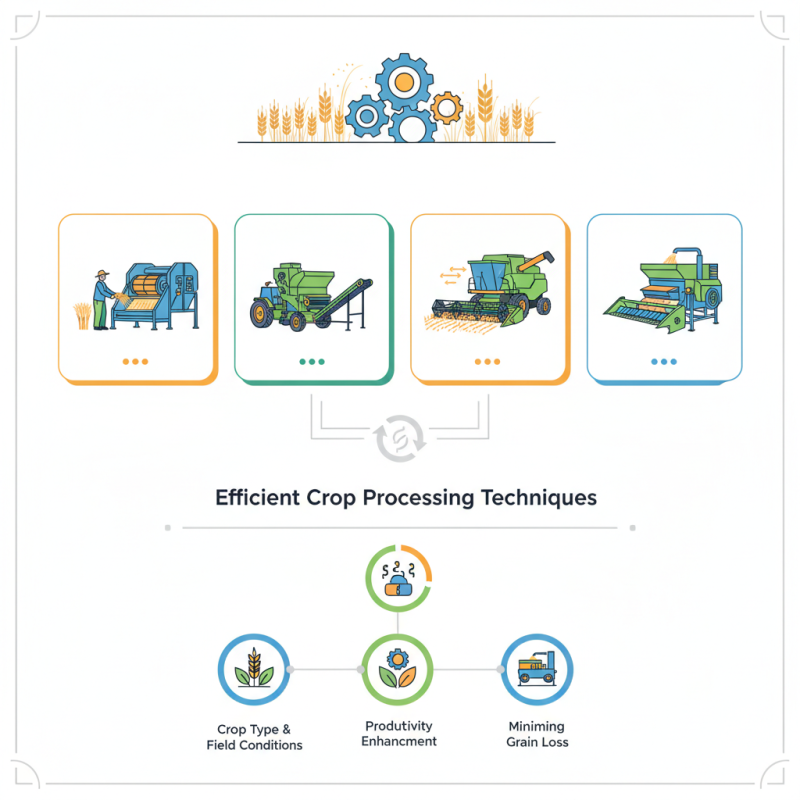
Choosing the right threshing machine is crucial yet often overlooked. Farmers must consider factors like crop type and field conditions to select the best option. The focus should remain on machines that enhance productivity while minimizing grain loss and damage. Balancing efficiency and practicality can lead to better yields and a more sustainable farming future.
Overview of Threshing Machines and Their Importance in Agriculture
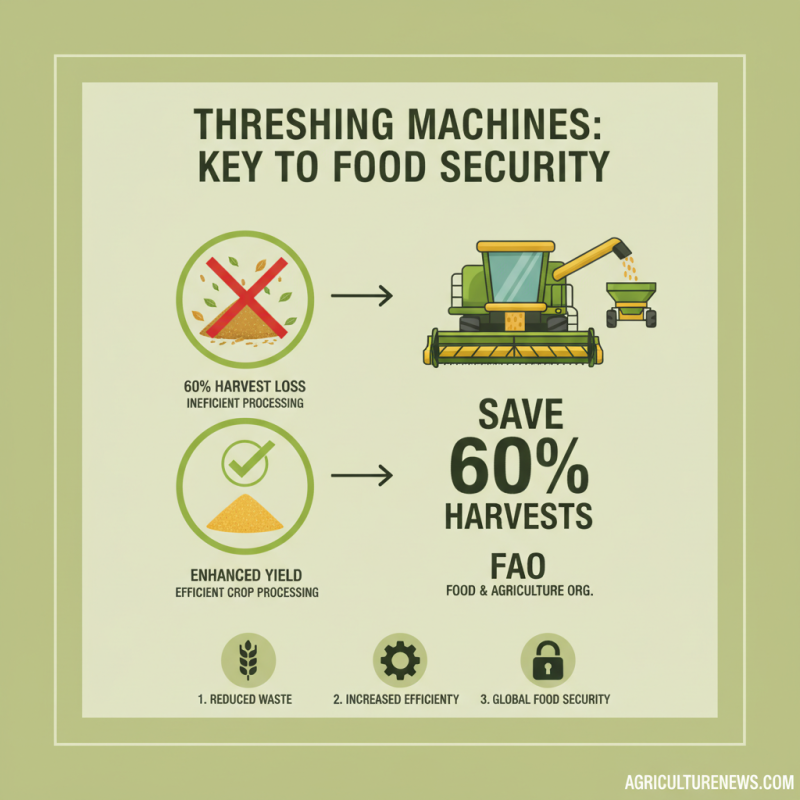
Threshing machines play a critical role in agriculture, serving as essential tools for efficient crop processing. According to the Food and Agriculture Organization (FAO), approximately 60% of harvested crops are lost due to inefficient processing methods. This loss underscores the importance of advanced threshing technologies in enhancing yield and ensuring food security.
Modern threshing machines utilize various techniques to maximize efficiency. For instance, tangential and axial flow threshers are among the top types in use today. These machines minimize grain damage and maximize throughput, often achieving over 95% grain recovery rates. Research suggests that using the correct threshing technology can reduce labor costs by up to 40%. However, selecting the appropriate machine is often challenging due to factors like crop type and moisture content.
Despite advancements, inefficiencies still exist in many farming operations. Some farmers report issues with machine compatibility and maintenance costs, which can deter optimal usage. Furthermore, proper training on machine operation is often lacking, leading to subpar performance. Such challenges must be addressed to fully exploit the benefits that threshing machines offer in crop processing.
Common Types of Threshing Machines Used in Modern Farming Practices
Threshing machines play a crucial role in modern farming, facilitating the efficient separation of grains from chaff. Among those commonly used, the drum threshers stand out for their effectiveness. These machines employ a rotating cylinder to beat the harvested crops, applying the right amount of pressure for various grain types. Reports indicate that drum threshers increase productivity by up to 40% compared to traditional methods, making them invaluable for high-yield operations.
Moreover, the development of axial flow threshers has transformed how farmers process their crops. These machines utilize a single grain flow path, minimizing kernel damage while maximizing output. A recent study showed that axial flow designs can improve overall grain quality by reducing the loss rate to less than 2%. However, farmers often express concerns about the initial investment cost and maintenance complexities associated with these advanced machines.
Although many farmers have adopted new technologies, there remains a knowledge gap in configuring and operating these systems efficiently. Training sessions and workshops can help bridge this gap, fostering a deeper understanding of how to optimize threshing processes. This approach could enhance not only operational efficiency but also farmer satisfaction with their equipment.
Top Threshing Machine Types for Efficient Crop Processing Techniques
| Threshing Machine Type |
Description |
Crop Suitability |
Efficiency Rate (%) |
Common Features |
| Axial-Flow Thresher |
Uses a cylindrical design for optimized crop flow and efficiency. |
Wheat, Rice, Soybeans |
90 |
Low maintenance, adjustable settings |
| Straw Walker Thresher |
Uses a combination of shaking and cutting for separating grain from straw. |
Barley, Oats, Rye |
85 |
Simple design, good for small scale operations |
| Rotary Thresher |
Uses a rotating mechanism to separate grains while reducing damage. |
Corn, Peas, Sunflower |
88 |
High capacity, versatile for different crops |
| Blade Thresher |
Utilizes sharp blades to cut and thresh crop material efficiently. |
Millets, Pulses, Grasses |
80 |
Energy efficient, compact size |
| Multicrop Thresher |
Designed to handle multiple types of crops with ease. |
Various, including Rice, Wheat, Sorghum |
92 |
Adjustable for different crop types, high efficiency |
Key Features and Technologies in Efficient Threshing Equipment
Efficient threshing equipment is crucial for optimizing crop processing. Many types of threshing machines are available today, each designed to enhance the efficiency of separating grains from their stalks. Key features like adjustable speed settings and versatile drum designs significantly impact operational effectiveness. For instance, a report from the International Agricultural Machinery Association indicates that machines with variable speed control can increase throughput by up to 30%.
Technologies such as sensor monitoring systems are also transforming threshing processes. These systems provide real-time feedback, allowing operators to make data-driven adjustments. According to the Agricultural Engineers Society, integrating such technologies can reduce grain loss by as much as 15%. However, it’s worth noting that some operators may struggle with understanding these advanced systems. Training and experience are essential for maximizing their potential.
Moreover, the choice of threshing method affects efficiency. High-capacity rotors and concaves can handle larger volumes but may require more maintenance. Balancing performance with durability is a common challenge. Many farmers find that investing in robust equipment yields better long-term results, yet initial costs can be daunting. Thus, assessing both upfront expenses and operational efficiency is critical for choosing the right equipment.
Top Threshing Machine Types for Efficient Crop Processing
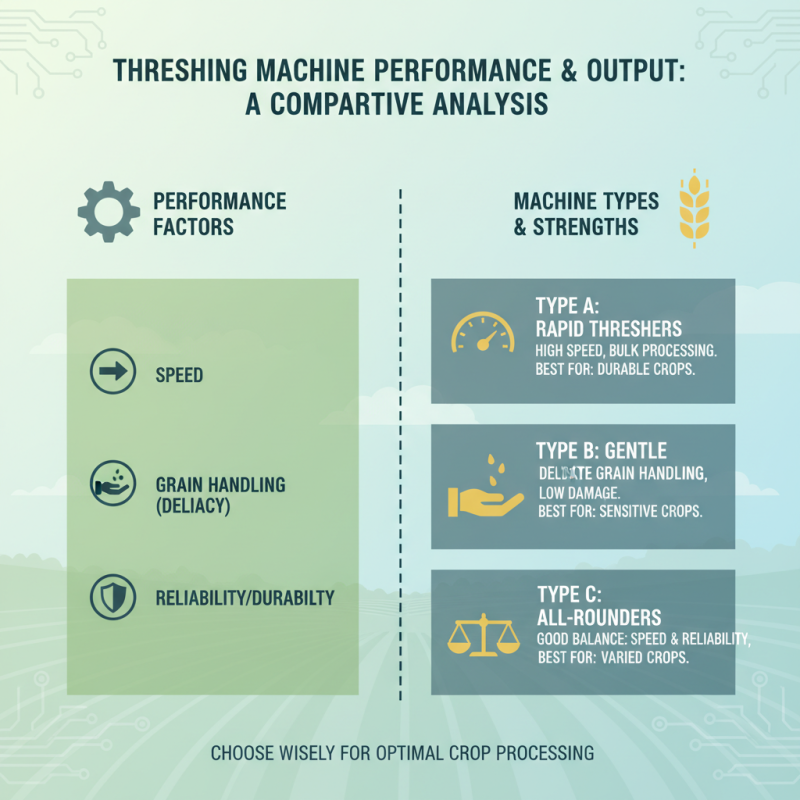
Comparative Analysis of Threshing Machine Performance and Output
When evaluating threshing machines for efficient crop processing, several factors come into play. Performance varies significantly among different types. For instance, some machines may excel in speed, while others are more reliable in delicate grain handling. Understanding the strengths and weaknesses of each type is crucial for effective decision-making.
In our analysis, key performance metrics include output rate, grain loss, and energy efficiency. A thorough examination highlights that some models can process larger volumes but may lead to greater grain loss. This observation raises questions about their long-term economic viability. Operators should weigh these factors against their specific needs.
Another aspect worth noting is maintenance requirements. Some machines require frequent servicing, which can disrupt workflow. This can be frustrating for farmers who depend on consistent operation. It is essential to consider these trade-offs when selecting a threshing machine that aligns with overall farm efficiency and productivity goals.
Innovations in Threshing Machines for Sustainable Crop Processing
Innovations in threshing machines are transforming crop processing. These machines are designed to remove grains from the harvested plants efficiently. New technologies focus on reducing waste and increasing yield. Sensors and automation play a key role in optimizing performance.
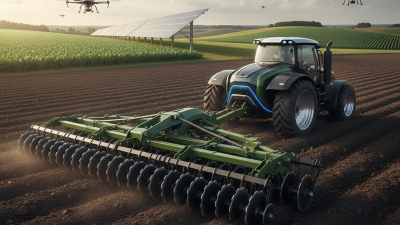
Sustainable practices have become vital in agriculture. Many modern threshing machines now use less energy and produce fewer emissions. Some models incorporate renewable energy sources, like solar power. These innovations allow farmers to process crops while minimizing their environmental footprint.
However, not every innovation is without flaws. Some machines may require frequent maintenance. Their complexity can lead to higher repair costs. Farmers must weigh these factors against the benefits they provide. Continuous improvement and feedback from users will be essential for future developments. This ongoing dialogue will help ensure that threshing machines evolve to meet the needs of sustainable agriculture.