What is a Trenching Machine and How Does it Work?
A Trenching Machine is an essential tool in construction and utility installation. This powerful equipment creates trenches in the ground for various purposes. According to the American Rental Association, trenchers are vital for laying underground utilities, such as water and electricity. They improve efficiency in projects, making them faster and safer.
Trenching machines come in different sizes and types. Some are small, walk-behind models, while others are larger and more complex. Each type has specific applications, and understanding these can greatly impact project success. A 2020 report by Global Market Insights indicates a growing demand for trenching equipment, driven by infrastructure development. However, challenges remain in equipment safety and operator training, as improper use can lead to accidents.
The operation of a Trenching Machine requires skill. It involves precise maneuvering and an understanding of the terrain. Yet, accidents can occur even with experienced operators. Regular training and maintenance are crucial. These aspects underline the importance of safety in the industry. Understanding how a Trenching Machine works can enhance productivity while minimizing risk.
What is a Trenching Machine?
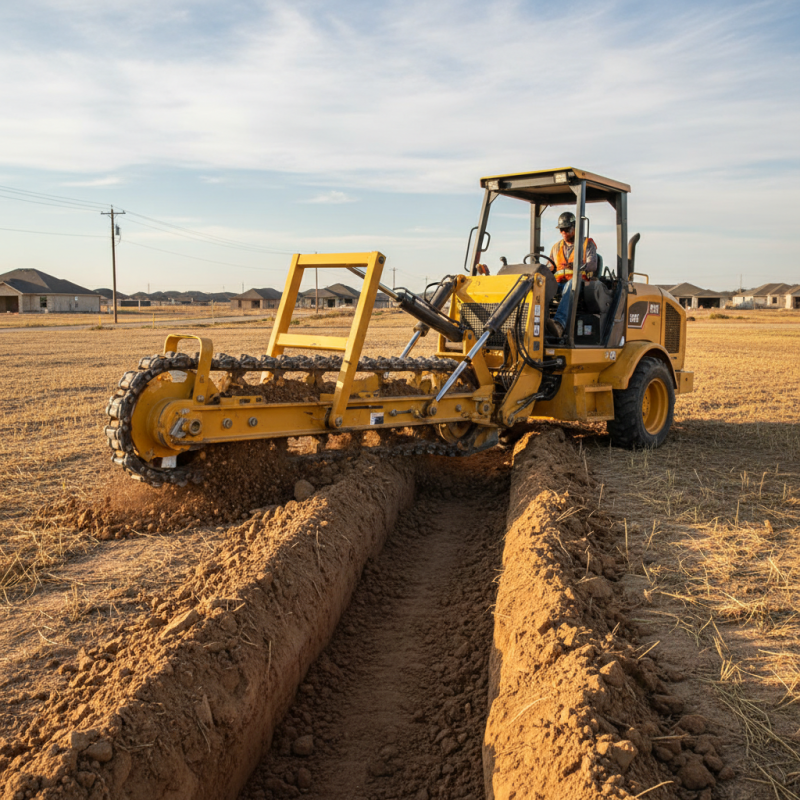
A trenching machine is a vital piece of equipment used in construction and utility installation. These machines specialize in creating narrow, deep trenches. They simplify the process of laying pipes, cables, and other underground utilities. According to a recent report by the Construction Industry Institute, trenching machines can reduce installation time by up to 30%.
The operation of a trenching machine typically relies on a rotating, sharp metal chain. This chain digs into the ground, effectively removing soil and debris. These machines can operate at various depths, making them versatile. However, operators must be cautious. The risk of underground utilities being struck is significant, as more than 20% of underground installations are improperly marked.
As labor costs rise, trenching machines offer a more efficient solution. Their speed can lead to better project timelines. However, they are not without challenges. Maintenance is essential to ensure optimal performance. Neglecting this can lead to costly breakdowns. The complexity of these machines requires skilled operators who understand their functions well. This need for expertise can sometimes cause project delays if training is insufficient.
Trenching Machine Efficiency by Type
Key Components of a Trenching Machine
Trenching machines play a vital role in construction and utility installation. Understanding their key components helps in grasping how they operate. These machines are designed to dig narrow trenches for various purposes, like laying pipes or cables.
The cutting mechanism is one of the most crucial parts. It consists of sharp blades that slice through soil. The depth and width of the trench can be adjusted easily. Another important element is the conveyor system. It transports the excavated material away from the trench. This system may sometimes malfunction, leading to clogs.
Additionally, the frame provides stability. It supports the entire machine during operation. Some models have wheels, while others have tracks. Each design has its advantages. Operators need to be aware of these details. Proper training is essential to maximize efficiency and safety. Understanding these components can lead to better decision-making on the job site.
What is a Trenching Machine and How Does it Work? - Key Components of a Trenching Machine
| Component |
Description |
Function |
| Cutter Head |
The rotating part that digs into the ground. |
To break and cut through soil or pavement. |
| Track System |
The mechanism that allows the machine to move. |
To provide mobility across different terrains. |
| Hydraulic System |
A system that uses fluid power for movement. |
To control the movement of the cutter and other parts. |
| Conveyor System |
A mechanism that transports excavated material. |
To move dirt away from the trench area. |
| Control Panel |
The interface used by the operator to control the machine. |
To monitor and operate different functions of the machine. |
Types of Trenching Machines and Their Uses
Trenching machines are essential in construction and utility projects. They come in various types, each designed for specific tasks. The most common types include chain trenchers, wheeled trenchers, and vibratory plows.
Chain trenchers use a rotating chain to cut through soil. This type is ideal for digging narrow trenches for pipes and cables.
Wheeled trenchers, on the other hand, are equipped with large wheels. They are suitable for softer ground and can cover more area quickly. Vibratory plows push through the soil without digging deep trenches. This method is efficient for installing cables close to the surface. According to industry reports, trenchers can increase productivity by up to 50% compared to manual digging methods.
Tips: Always assess the ground condition before choosing a machine. Harder soils may require more robust equipment. Ensure to follow safety guidelines. Misuse of machinery can lead to accidents. Check the machine’s maintenance records regularly. Well-maintained machines work more efficiently and safely.
How a Trenching Machine Operates Step-by-Step
A trenching machine is designed to dig trenches for various applications. It operates with precision and efficiency. Understanding how it works can enhance its effectiveness on the job site.
The process begins with the machine's cutting mechanism. This is typically a rotating blade or digging chain. It penetrates the ground, breaking up the soil. As the machine advances, the cut soil is removed by a conveyor system. This method minimizes the need for manual labor. According to industry reports, trenching machines can increase productivity by up to 50%.
Next, the operator controls the depth and speed of the trench. Modern machines often include GPS for accuracy. However, environmental conditions can affect performance. For instance, rocky or clay-like soil may cause delays. Operators must adapt and sometimes refine their methods. Safety regulations also play a role in trenching operations. Awareness and compliance are critical for a smooth workflow.
Applications and Benefits of Using a Trenching Machine
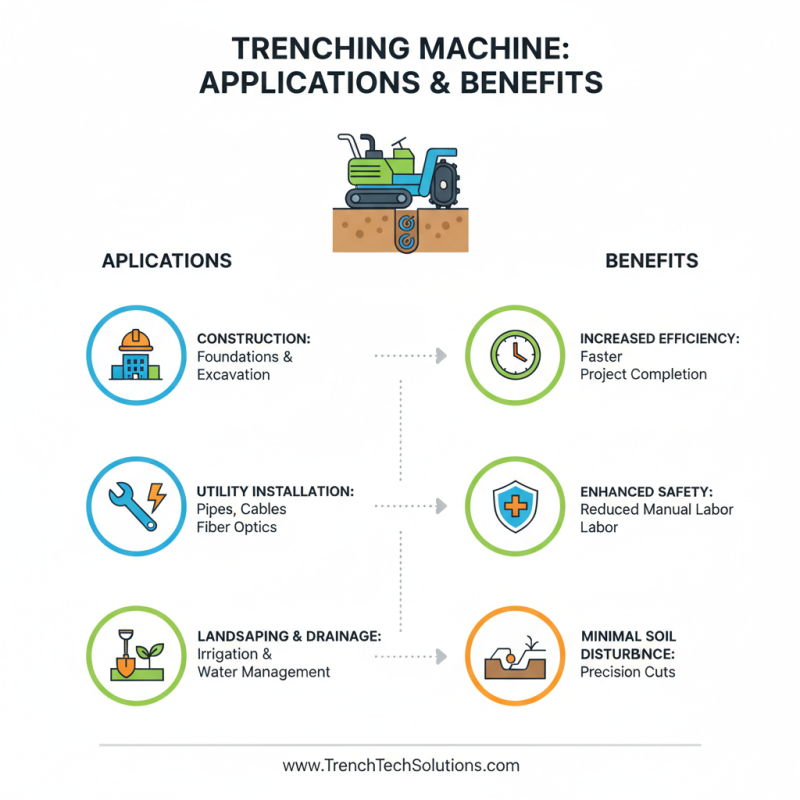
Trenching machines play a vital role in various industries. They are commonly used in construction, utility installation, and landscaping. By digging narrow trenches, these machines help lay pipes, cables, and even drainage systems. The precision of their cuts makes them ideal for minimizing soil disturbance. A well-designed trenching machine can reduce manual labor significantly. This not only speeds up projects but also enhances safety.
Application areas for trenching machines are diverse. In telecommunications, they create pathways for fiber-optic cables. In agriculture, they line fields with irrigation systems. Even in urban areas, trenching machines aid in repairing existing infrastructure. Their ability to work in tight spaces is a key advantage. However, it’s essential to train operators properly. Mishandling can lead to accidents or damage to existing utilities. Maintenance of the machine is also crucial for optimal performance. Neglecting regular checks can result in costly breakdowns.
While trenching machines are incredibly useful, challenges do exist. They can struggle in rocky terrain or during heavy rain. Operators may need to adjust techniques based on ground conditions. Some users find it difficult to choose the right model for their needs. Each project has unique requirements. Balancing power, size, and capability can be overwhelming. It’s important to assess these factors before deciding.