Why Choose a Water Transfer Pump for Your Fluid Management Needs?
In today's fluid management landscape, selecting the right equipment is crucial. A Water Transfer Pump stands out as an essential tool for efficient fluid handling. Whether for agriculture, construction, or industrial use, these pumps provide versatility and reliability. With their ability to move large volumes of liquids quickly, they support various operational needs.
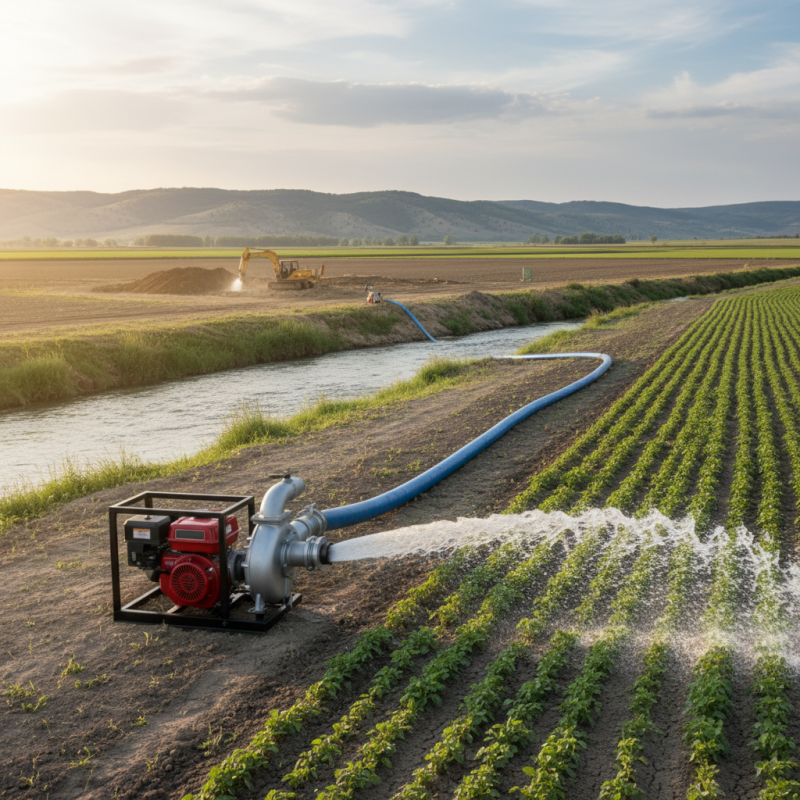
Imagine an agricultural field where water scarcity hampers growth. A Water Transfer Pump can easily transport water from a nearby source to the fields, ensuring crops receive the moisture they need. In construction, these pumps help manage water removal from sites, preventing delays and keeping projects on schedule. It's fascinating how one tool can make such a difference.
However, not all Water Transfer Pumps are created equal. Buyers must consider factors like capacity, durability, and energy efficiency. Reflecting on personal needs and applications is vital. Choosing the wrong pump can lead to inefficiency and frustration. Understanding specific requirements ensures better performance and satisfaction in fluid management tasks.
Benefits of Using Water Transfer Pumps in Fluid Management
Water transfer pumps play a crucial role in managing fluids across various industries. They offer multiple advantages that can significantly enhance operational efficiency. According to recent reports, these pumps can reduce transfer times by up to 50%. This efficiency is essential in sectors like construction and agriculture, where time is often linked to costs.
The versatility of water transfer pumps is another major benefit. They can handle different liquids, including water, chemicals, and waste materials. A study indicated that businesses that adopted water transfer systems for fluid management experienced a 30% decrease in labor costs. These systems allow for faster and safer fluid handling. However, many companies still rely on manual methods, which can lead to spills and contamination. It's important to recognize the risks involved in traditional methods.
While the benefits are evident, some challenges remain. Maintenance of pumps can be overlooked, leading to downtime. A report found that improper maintenance caused 20% of pump failures. Recognizing the need for regular checks can help avoid costly disruptions. Fluid management is complex, and choosing the right equipment is vital for success. Water transfer pumps can simplify many processes, but awareness and training are equally important.
Benefits of Using Water Transfer Pumps in Fluid Management
Key Features to Look for in a Water Transfer Pump
When selecting a water transfer pump, several key features can significantly enhance its performance. Look for the flow rate. A higher flow rate means quicker transfers. For example, a pump with a flow rate of around 3000 gallons per hour can efficiently handle large volumes. However, this doesn't always mean it's the best option for smaller tasks. Sometimes, less powerful pumps may suit specific needs better.
Consider the pump's durability and materials. A model with a stainless steel body can resist corrosion, extended use, and harsh conditions. According to industry reports, pumps made from durable materials last up to 30% longer than cheaper alternatives. Yet, users often overlook maintenance requirements, causing premature wear.
Another vital feature is portability. If you need to move the pump frequently, lightweight options or those with wheels can save time. Many pumps weigh between 30 to 50 pounds, impacting usability. However, more portable models may sacrifice power. Evaluate your needs carefully to find the right balance. Don't ignore noise levels, as some models operate at over 70 decibels, which could be disruptive.
Applications of Water Transfer Pumps Across Various Industries
Water transfer pumps are essential tools across numerous industries. In agriculture, these pumps play a vital role in irrigation systems. They help efficiently move water from sources like rivers or wells to fields. This ensures crops receive the right amount of water, fostering growth.
Construction sites also rely on water transfer pumps. They remove excess water that may accumulate on-site, keeping the area safe and accessible. Timely water removal prevents delays in project timelines. Moreover, it’s crucial for dust suppression during operations.
**Tip**: Always check pump specifications to ensure compatibility with the fluids being transferred.
In the mining industry, water transfer pumps manage water levels in quarries. They help maintain safety and operational efficiency. However, using these pumps requires careful planning. Miscalculations can lead to unwanted flooding or equipment damage.
**Tip**: Regular maintenance of pumps is vital for prolonged usage. It can save costs associated with repairs.
In emergency situations, fire departments utilize these pumps. They quickly transfer water to fight fires, saving lives. However, the setup time should not be overlooked, as it can impact response effectiveness.
Applications of Water Transfer Pumps Across Various Industries
| Industry |
Application |
Pump Type |
Fluid Type |
Key Benefits |
| Agriculture |
Irrigation |
Centrifugal Pump |
Water |
Efficient water distribution |
| Construction |
Dewatering |
Submersible Pump |
Groundwater |
Prevents flooding at sites |
| Mining |
Slurry Transfer |
Diaphragm Pump |
Mud and Slurry |
Handles abrasive materials |
| Chemical Processing |
Chemical Transfer |
Peristaltic Pump |
Chemicals |
Prevents contamination |
| Waste Management |
Wastewater Removal |
Screw Pump |
Wastewater |
Efficient waste treatment |
Comparing Water Transfer Pumps to Other Pump Types
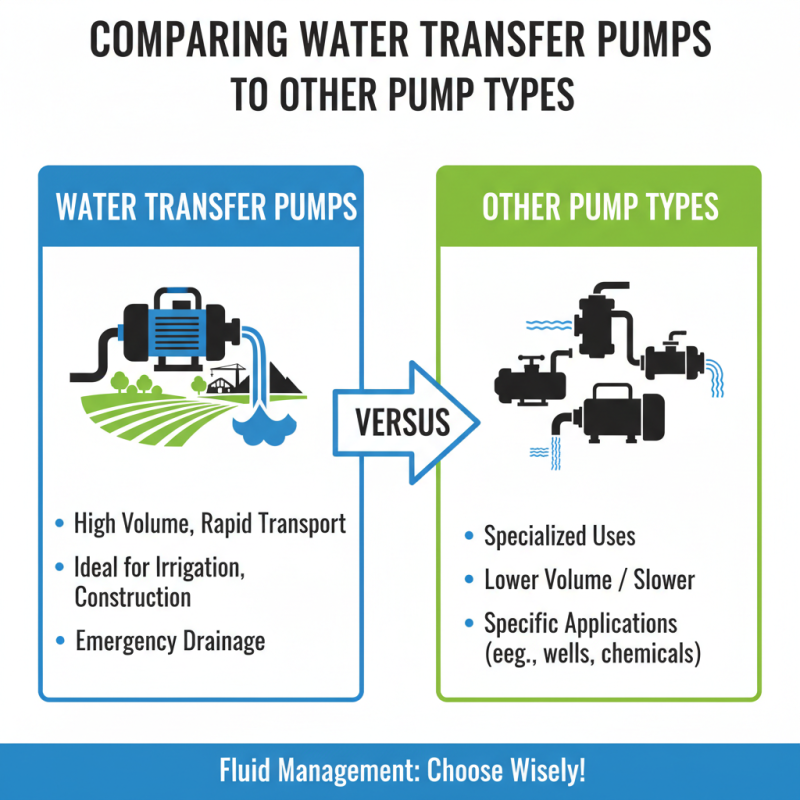
When it comes to fluid management, the type of pump you choose matters. Water transfer pumps are often preferred over others for several reasons. They excel in transporting large volumes of water quickly. This makes them ideal for irrigation, construction sites, and emergency drainage.
Comparing them to submersible or centrifugal pumps reveals key differences. Submersible pumps work underwater, making them less versatile in dry conditions. Their installation can be complex and time-consuming. On the other hand, centrifugal pumps are better for high-pressure applications but can struggle with large fluid volumes. Water transfer pumps offer a blend of efficiency and ease.
Tips: Always consider your specific needs before selecting a pump. If speed and ease of use are priorities, a water transfer pump could be the best choice. Look for a pump that suits your flow rate requirements. It’s worth taking time to research, as making the wrong choice can lead to frustrations. Don't rush—understanding the advantages and limitations will guide you better.
Maintenance Tips for Optimal Performance of Water Transfer Pumps
Water transfer pumps are essential tools for managing fluids efficiently. To keep these pumps operating effectively, regular maintenance is key. A well-maintained pump not only performs better but also has a longer lifespan.
To ensure optimal performance, check the pump for wear and tear regularly. Inspect hoses for leaks or cracks. Replace any damaged parts promptly to avoid further issues. Clean filter screens to prevent blockages that can reduce efficiency. Keeping everything in good shape makes a noticeable difference.
Another tip is to maintain proper lubrication. Oil the moving parts as needed. Dry bearings can create friction, leading to premature failure. Always refer to the manual to know the right lubrication intervals.
Remember, neglecting maintenance might lead to unexpected breakdowns, costing time and money.