Choosing the right Diesel Engine is rarely a simple horsepower contest. Global buyers face different fuels, climates, workloads, and service networks. A 500-horsepower engine may perform well in a European truck, yet struggle in a remote mining site with inconsistent maintenance.
This guide examines ten respected diesel engines for transport, construction, agriculture, marine work, and power generation. It considers torque delivery, fuel efficiency, durability, emissions systems, electronic controls, spare-parts access, and lifetime operating costs. Field experience matters here. An engine that starts reliably at minus 20 degrees Celsius deserves different attention from one working beside a dusty tropical road.
Rudolf Diesel, the engine’s pioneering inventor, wrote, “The use of a liquid fuel for internal combustion engines will greatly extend their usefulness.” That prediction still feels practical today. Modern buyers must also examine emissions certification, local fuel standards, technician training, warranty terms, and after-sales support. These details can decide whether an engine earns money or creates costly delays.
No ranking is perfect. Real performance depends on maintenance, load patterns, installation quality, and operator habits. Some engines appear efficient on paper but disappoint under constant heavy loads. Others are less celebrated but easier to repair locally. This overview therefore favors balanced evidence over marketing claims, using manufacturer data, independent testing, operating experience, and long-term ownership considerations. A careful buyer should still verify regional regulations and service availability before making a final decision.
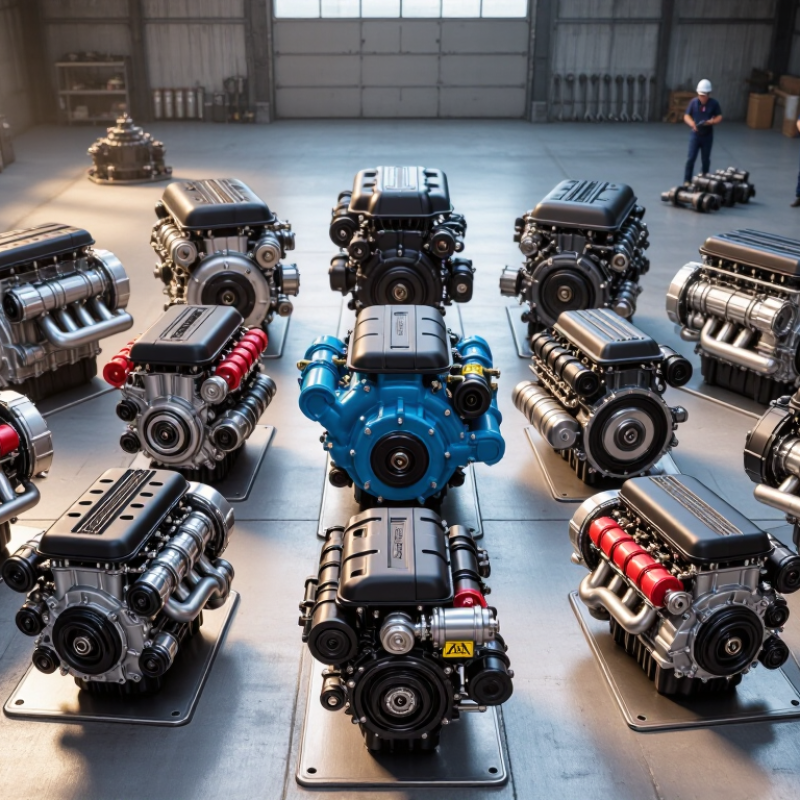
Diesel engines use compression ignition: compressed air heats the cylinder, then fuel burns without a spark plug. This design creates strong low-speed torque, useful for trucks, generators, pumps, and construction equipment. Buyers should examine rated power, torque, fuel consumption, cooling capacity, and duty cycle. A 100 kW engine used continuously faces different demands from one used for short emergency runs.
Global evaluation also requires attention to operating conditions. Check altitude derating, ambient temperature, fuel sulfur levels, filtration, noise limits, and local emissions rules. ISO 3046 provides a useful basis for comparing engine performance ratings. The International Energy Agency’s Oil 2024 report projects global oil demand near 106 million barrels daily by 2029, keeping fuel efficiency commercially important. The European Environment Agency has reported that road transport creates roughly three-quarters of European transport greenhouse-gas emissions. These figures make after-treatment, maintenance, and lifetime emissions more than technical details. A low purchase price can be a false victory. I still treat laboratory fuel economy as an estimate, not a promise.
Tips: Request a duty-cycle test, not only a peak-power figure. Compare hourly fuel use at 25%, 50%, and 75% load. Confirm parts availability within your region. Ask for service intervals in writing. Inspect cold-start performance if winter operation matters. Do not ignore fuel quality; poor filtration can damage injectors quickly. Finally, calculate total ownership cost over five years, including fuel, maintenance, downtime, transport, and technician training. Your first shortlist may be wrong. That is normal. Recheck it against real site conditions.

10 Best Diesel Engines for Global Buyers?
Top Diesel Engines by Power, Efficiency, Durability, and Application
Choosing among the ten best diesel engines requires more than comparing peak horsepower. A compact four-cylinder engine may suit irrigation pumps, while a large six-cylinder unit handles quarry loaders or marine generators. The U.S. Department of Energy reports that advanced diesel systems can exceed 45% brake thermal efficiency under optimized conditions. Real machines usually deliver less. Dust, idling, poor maintenance, and high temperatures quickly change the result.
For efficiency, compare rated fuel consumption, torque at working speed, and after-treatment requirements. The International Energy Agency notes that heavy-duty transport remains difficult to decarbonize, making efficiency improvements especially valuable. A fuel-saving engine should maintain strong torque near 1,200–1,800 rpm. That detail matters when a loaded truck climbs a wet road. For power, continuous output is more useful than a short peak figure. Generator buyers should check ISO 8528 ratings, load response, and performance at 50 Hz or 60 Hz.
Durability depends on cooling capacity, filtration, cylinder pressure, and service access. The U.S. Environmental Protection Agency’s nonroad emission data shows how operating conditions affect fuel use and emissions. Therefore, clean intake air is not a small issue. It protects the turbocharger and reduces abrasive wear. My ranking would favor engines with documented field hours, accessible parts, and stable performance across climates. That approach is imperfect. Laboratory efficiency cannot fully predict a machine working twelve hours daily in sand, heat, or freezing rain.
| Rank | Representative Engine Class | Configuration & Displacement | Typical Power | Peak Torque | Typical BSFC | Indicative Service Life | Common Applications | Main Strength |
|---|---|---|---|---|---|---|---|---|
| 1 | Heavy-Duty Highway Diesel | Inline 6-cylinder, 12–13 L, turbocharged | 400–550 hp 298–410 kW |
2,000–2,800 Nm | 195–215 g/kWh | 1,000,000–1,500,000 km | Long-haul trucks, coaches, heavy vocational vehicles | Best combination of pulling power, fuel efficiency, and high-mileage durability |
| 2 | Regional Truck Diesel | Inline 6-cylinder, 9–11 L, turbocharged | 300–430 hp 224–321 kW |
1,600–2,200 Nm | 195–215 g/kWh | 800,000–1,200,000 km | Distribution trucks, construction vehicles, buses | Strong torque with lower operating cost than larger heavy-duty engines |
| 3 | Large Pickup and Utility Diesel | Inline 6-cylinder, 6.4–7.0 L, turbocharged | 250–450 hp 186–336 kW |
800–1,250 Nm | 200–225 g/kWh | 400,000–650,000 km | Heavy pickups, towing vehicles, utility fleets | Excellent low-speed torque and towing capability |
| 4 | Agricultural Tractor Diesel | Inline 6-cylinder, 6.4–7.0 L, turbocharged and intercooled | 180–300 hp 134–224 kW |
1,000–1,600 Nm | 200–225 g/kWh | 10,000–15,000 operating hours | Tractors, harvesters, irrigation and field equipment | High continuous-load capacity and strong low-rpm performance |
| 5 | Medium Industrial Diesel | Inline 4-cylinder, 4.5–5.0 L, turbocharged | 100–175 hp 75–131 kW |
500–850 Nm | 205–235 g/kWh | 10,000–15,000 operating hours | Generators, compressors, loaders, excavators, pumps | Simple installation, durable construction, and dependable continuous operation |
| 6 | Light Commercial Diesel | Inline 6-cylinder, 3.0 L, turbocharged | 200–300 hp 149–224 kW |
500–700 Nm | 205–230 g/kWh | 350,000–500,000 km | Vans, light trucks, utility vehicles, towing applications | Good balance of compact size, refinement, torque, and fuel economy |
| 7 | Mid-Size Pickup Diesel | Inline 4-cylinder, 2.8–3.0 L, turbocharged | 160–210 hp 119–157 kW |
360–520 Nm | 210–235 g/kWh | 300,000–450,000 km | Pickups, rural transport, fleet and off-road vehicles | Efficient torque delivery with a strong reliability-to-cost ratio |
| 8 | Passenger and Van Diesel | Inline 4-cylinder, 2.0–2.2 L, turbocharged | 140–200 hp 104–149 kW |
320–450 Nm | 210–240 g/kWh | 250,000–400,000 km | Passenger cars, minibuses, delivery vans | Strong real-world fuel economy and practical everyday torque |
| 9 | Compact Passenger Diesel | Inline 4-cylinder, 1.5–1.6 L, turbocharged | 90–130 hp 67–97 kW |
220–320 Nm | 210–240 g/kWh | 250,000–350,000 km | Compact cars, small vans, urban fleet vehicles | Lowest fuel consumption and favorable operating cost in light-duty use |
| 10 | Marine Auxiliary Diesel | Inline 4-cylinder, 2.0–2.5 L, turbocharged | 150–250 hp 112–186 kW |
400–650 Nm | 205–235 g/kWh | 5,000–10,000 operating hours | Workboats, fishing vessels, auxiliary generators, small yachts | Reliable continuous power with good fuel efficiency in marine duty |
Note: Specifications are representative ranges for modern diesel engines in each class. Actual power, torque, fuel consumption, emissions equipment, overhaul interval, and service life vary according to engine calibration, emissions regulations, operating load, fuel quality, maintenance, climate, and application.
Leading diesel engines are judged by more than displacement or advertised power. Buyers should examine torque curves, fuel consumption, service intervals, and operating temperature limits. A 2.0 to 3.0-liter engine may deliver strong low-speed torque through high-pressure common-rail injection. Typical injection pressures can exceed 1,800 bar, improving combustion control and cold starts. Still, peak power figures can hide weak performance under heavy loads.
Turbocharging technology also matters. Variable-geometry turbochargers improve response across changing engine speeds, while intercoolers reduce intake temperatures. Some modern systems combine exhaust-gas recirculation with oxidation catalysts, particulate filters, and selective catalytic reduction. These technologies reduce emissions, but they add sensors, heat management, and maintenance costs. AdBlue or similar fluid may also be required. Small details matter.
A reliable specification should include compression ratio, rated speed, maximum torque, dry weight, cooling capacity, and electrical output. Buyers operating in hot climates should check radiator performance and derating data at altitude. Fuel quality deserves equal attention, especially where sulfur levels vary. A clean laboratory test is useful, but it does not represent every market. A spreadsheet can look convincing. It can still mislead. Field trials, local technician training, parts availability, and documented warranty procedures often reveal weaknesses that brochures omit. My view is imperfect: the most advanced engine is not always the best choice when diagnostic tools or replacement parts are difficult to obtain.
The ten best diesel engines for global buyers are not identical winners. Regional suitability matters more than advertised power. A compact, high-torque engine may suit European delivery routes, while a mechanically simpler design can survive remote agricultural work. The International Energy Agency’s Oil 2024 report notes continuing oil-demand growth in emerging markets, where fuel quality and maintenance access vary sharply. Check both factors before choosing.
Fuel standards can change engine life. United States highway diesel is limited to 15 ppm sulfur, while European EN 590 fuel allows 10 mg/kg. India’s BS VI standard also targets 10 ppm sulfur. Engines with high-pressure injection and exhaust after-treatment need these cleaner fuels. In practice, contaminated storage tanks can still damage injectors. That detail is often ignored.
Cold regions need reliable glow systems and winterized fuel. High-altitude markets require strong air management and careful calibration. The World Bank’s Commodity Markets Outlook shows substantial fuel-price volatility, so efficiency deserves equal attention to purchase price. Service intervals, filter availability, and diagnostic support should be scored beside torque figures. I would not rank one engine as globally best without local fuel samples and repair data. Laboratory ratings can look impressive. Dust, poor storage, and overloaded trailers may tell a different story.
Selecting a diesel engine starts with the working cycle, not the brochure. Record load, operating hours, altitude, ambient temperature, and fuel quality. A 200-kilowatt engine may struggle with constant peak loads. A smaller unit may perform better when its torque curve matches the machine.
Compare brake-specific fuel consumption, rated speed, cooling capacity, and emissions certification. The IEA reported 37.4 gigatonnes of global energy-related carbon dioxide emissions in 2023. Fuel efficiency now affects both operating cost and procurement risk. For marine applications, the IMO’s Fourth GHG Study estimated shipping caused 2.89% of global human-made greenhouse-gas emissions in 2018. Compliance is not optional. Confirm local fuel sulfur limits and after-treatment requirements before purchase.
Measure twice.
Maintenance planning often separates a dependable engine from an expensive failure. Check oil every shift in dusty environments, inspect coolant protection before cold seasons, and keep fuel filtration records. Used-oil analysis can reveal wear metals before a bearing problem becomes catastrophic. Service access matters. A low-cost engine with buried filters may create higher labor costs. Parts availability, technician training, warranty terms, and digital fault diagnostics deserve equal weight. My own practical bias is to rank simple access highly, perhaps too highly. Yet remote operators often value repairability more than peak laboratory efficiency. Leave a realistic reserve for poor fuel, missed inspections, and delayed shipments.