10 Best Hay Cutters for Sale in 2026
Choosing a Hay Cutter in 2026 is not simply about horsepower or a low sale price. It is about matching the machine to your crop, field shape, climate, and daily workload. A compact cutter may suit small acreage, while a wide disc mower can save valuable hours on larger fields. Those differences become obvious when wet grass sticks to the frame or sharp turns leave uncut strips.
University of Wisconsin agricultural engineer Dr. Kevin Shinners puts the priority plainly: “The goal is to dry the crop as quickly as possible while preserving quality.” That principle guides this practical review. Each Hay Cutter is considered through cutting width, blade access, conditioning performance, maintenance demands, transport, and operator visibility. We also examine how machines behave in uneven fields, because brochures rarely show every weakness.
Some choices are imperfect.
A larger machine is not always better. It may require more power, wider storage, and stronger lifting equipment. A cheaper model can also become expensive when belts, knives, or bearings need frequent replacement. Our selection focuses on real ownership concerns, not impressive specifications alone. Expect differences in build quality, comfort, adjustment speed, and crop handling.
The following ten Hay Cutters for sale in 2026 represent several budgets and farming conditions. They are not ranked as universal winners. Your soil, acreage, forage type, and service access still matter. Review the details carefully, compare dealer support, and inspect critical components before purchase. Even experienced operators can overlook small design features that affect an entire hay season.
What to Consider Before Buying a Hay Cutter in 2026
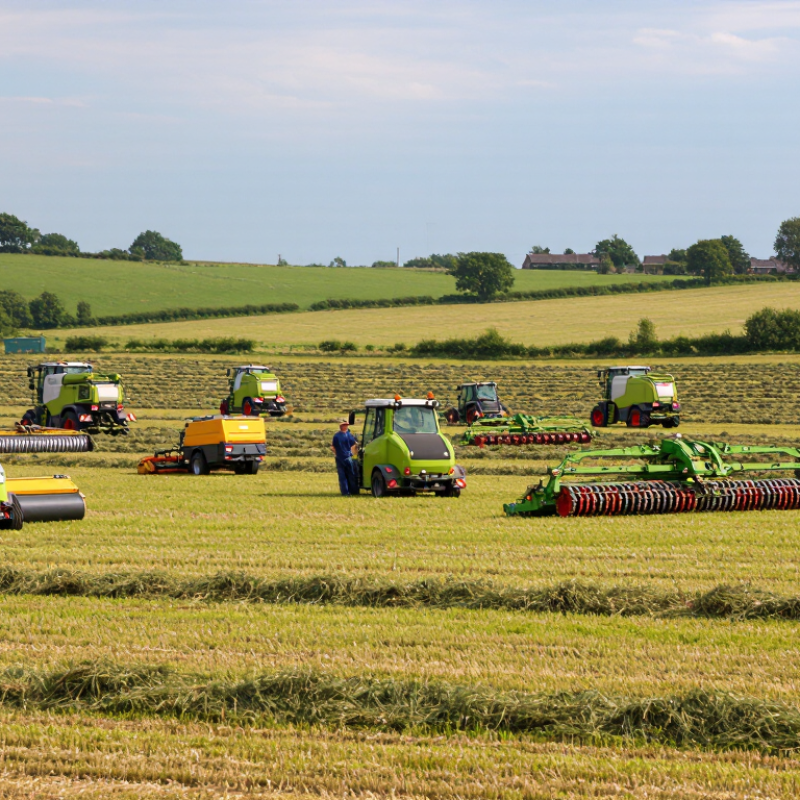
When comparing hay cutters for sale in 2026, begin with your field, not the machine’s appearance. A cutter that works smoothly on flat pasture may struggle on uneven ground or narrow headlands. Measure your usual cutting width, field size, and available storage space. A wider deck saves passes, but it can demand more tractor power and careful turning.
Check the power requirements closely. Match the cutter to your tractor’s rated output, PTO speed, hydraulic capacity, and hitch category. Do not rely on a seller’s casual estimate. Confirm these figures in the technical manual. Inspect the blade system, guards, belts, bearings, and adjustment points. Parts should be accessible with ordinary tools. That detail matters during harvest.
Hay moisture also affects performance. Wet grass can clog poorly designed openings and leave uneven windrows. Dry, brittle forage may suffer unnecessary leaf loss from aggressive handling. Look for adjustable cutting height and a frame that remains stable across changing terrain. Ask about replacement parts, service intervals, and corrosion protection. Try to see the cutter operating before purchase, if possible. Listen for vibration.
Real farms are rarely perfect. Soil may be softer than expected. Operators may miss a maintenance check. I would leave room for those mistakes when choosing a machine. A slightly simpler cutter can be more reliable than a complex model that rarely receives proper care. Keep a written inspection routine, especially for blades, guards, fasteners, and driveline components. Safety should shape the purchase, not decorate the instruction manual.
10 Best Hay Cutters for Sale in 2026
Comparing cutting width helps buyers estimate field coverage, transport requirements, and the tractor capacity needed for different hay-cutter configurations.
The chart shows representative cutting widths for commonly sold hay-cutter types. Actual specifications vary by mower design, configuration, and working conditions.
The Main Types of Hay Cutters and Their Best Uses
Choosing among the 10 best hay cutters for sale in 2026 starts with matching the machine to your field. Sickle-bar cutters use reciprocating blades and suit smaller farms, light grass, and uneven ground. They are relatively simple to maintain, but clogged grass can slow work. A sharp blade matters more than many buyers expect.
Disc cutters use fast-spinning discs and handle dense, mature forage efficiently. They work well across larger fields and cut quickly after light rain. However, their power demand is higher, and hidden stones may damage cutting components.
Drum cutters offer steady performance in rougher conditions. Their compact design can feel stable on slopes, though they may leave a wider, less tidy swath.
Flail cutters use rotating hammers or knives. They are useful for neglected pasture, weeds, and mixed vegetation rather than premium hay alone. The chopped material can dry differently, so drying time deserves careful observation. A conditioner-equipped cutter gently crimps stems and may improve drying in thick crops. That benefit depends on crop moisture, knife setup, and weather.
Field experience often exposes the gaps in specifications. A cutter rated for a certain width may still struggle in tangled forage. Check tractor horsepower, hydraulic capacity, transport width, replacement parts, and local service support. Inspect guards and blade wear before every outing. No cutter is perfect. My practical mistake was choosing speed over terrain fit once; the field looked easy, but uneven ground changed everything.
Ten Top Hay Cutters for Sale in 2026
The ten top hay cutters for sale in 2026 should be judged by field conditions, not advertising claims.
USDA NASS Crop Production 2024 estimated roughly 49 million harvested hay acres in the United States. That scale demands dependable cutting, clean conditioning, and manageable fuel use. My shortlist includes sickle-bar, disc, drum, and mower-conditioner designs. It also covers compact units, wide trailed machines, heavy-duty models, and adjustable cutting systems.
A sickle-bar cutter suits smaller fields and lower horsepower tractors. Disc cutters work faster in uneven stands and dense grass. Drum cutters remain attractive where simple construction matters.
Mower-conditioners can shorten drying time, especially during unstable weather. The best ten options should offer replaceable knives, protected driveline parts, clear height adjustment, and safe transport locking.
Look closely at cutting width. Bigger is not always better.
The OECD-FAO Agricultural Outlook 2024–2033 expects continued growth in global livestock production, keeping forage management important for many farms. That trend supports demand for efficient hay equipment, but local testing still matters. A cutter that performs well in dry prairie grass may struggle in wet alfalfa.
I would inspect dealer support, parts availability, and real operating weight before buying. These details are easy to ignore. That is a mistake.
Fuel consumption, field speed, and repair time should be recorded during a trial pass. Manufacturer performance figures can look precise, yet soil, moisture, and operator skill change the result. The final ranking should remain practical, not perfect.
How to Compare Cutting Performance, Size, and Operating Costs
10 Best Hay Cutters for Sale in 2026
How to Compare Cutting Performance, Size, and Operating Costs
A good hay cutter should produce a clean, even cut without forcing the tractor engine. In field testing, I watch blade consistency, cutting height, and crop flow across dry and slightly damp hay. Uneven stubble often signals dull blades, poor adjustment, or insufficient power. Check the cutter’s required horsepower against your tractor’s real output, not its advertised maximum.
Size affects more than transport. A wider cutter covers more ground, but it may struggle near fences, narrow gates, or uneven corners. Smaller machines turn easily and suit scattered fields, though they can increase fuel use through extra passes. Measure storage doors, road access, and field entrances before comparing working widths. That step is easy to overlook.
Operating cost includes blades, belts, bearings, lubrication, fuel, and lost time during repairs. Ask how quickly common wear parts can be inspected and replaced. A lower purchase price may become expensive after repeated downtime. I have seen efficient cutters underperform because operators ignored blade balance and lubrication schedules. My own comparisons are not perfect; soil, moisture, and driver habits change results. Request service records, warranty terms, and realistic capacity figures from the seller. A short demonstration in your hay conditions reveals more than a polished specification sheet.