Best Weeding Wheel for Efficient Gardening Tools?
Gardening requires the right tools for success. One such tool gaining popularity is the Weeding Wheel. This innovative device simplifies weeding, making it efficient and effective.
Using a Weeding Wheel can minimize the strain on your body. It helps tackle stubborn weeds without the need for harsh chemicals. Many gardeners share their positive experiences, noting how it saves time and energy. This tool is versatile, functioning well in various garden sizes and layouts.
However, not everyone finds it perfect. Some users mention it can be challenging to maneuver in tight spaces. Others point out that it may not work equally well on all types of soil. Understanding these nuances is crucial for anyone considering the Weeding Wheel. It’s essential to weigh its benefits against potential drawbacks for your gardening needs.
Understanding the Weeding Wheel: Features and Benefits
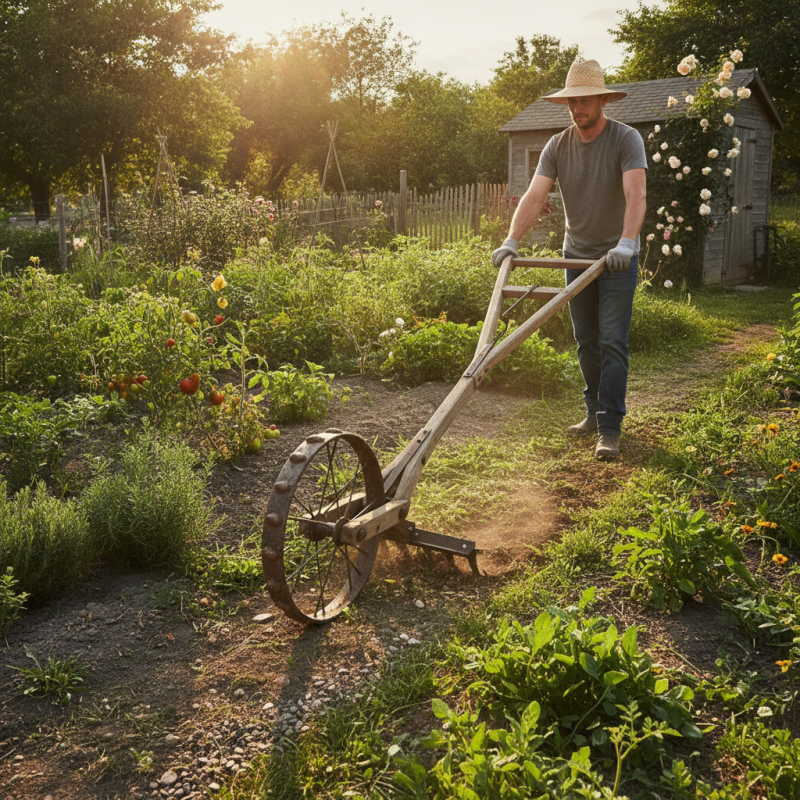
The weeding wheel is an innovative tool designed to enhance gardening efficiency. This handheld device simplifies the weeding process, helping gardeners maintain their plots with ease. Its wheel allows for a smooth glide along the soil, making it easier to uproot unwanted plants. The ergonomic handle minimizes strain on the back and hands, offering a more comfortable user experience.
One of the key features of the weeding wheel is its sharp blade. This blade can slice through tough roots and weeds with minimal effort. Many gardeners appreciate how it reduces the time spent on weeding, allowing for more focus on planting and nurturing desired plants. However, some users may struggle to find the right angle for optimal use.
In addition, the weeding wheel promotes healthy soil. By uprooting weeds effectively, it ensures that essential nutrients are available for desired crops. Despite its effectiveness, a learning curve exists. Gardeners may need practice to master its use, which can be frustrating initially. Still, the potential benefits make it a worthwhile investment for anyone looking to enhance their gardening toolkit.
Choosing the Right Weeding Wheel for Your Garden Size
When selecting a weeding wheel, consider your garden size. Smaller gardens may benefit from more compact tools. A lightweight wheel can easily navigate tight spots. If your garden is expansive, a larger, sturdier model is preferable. It can cover more ground and potential weed infestations.
Think about the terrain as well. Flat lawns require different tools than uneven gardens. A wheel that adjusts can lessen strain on your back. This adaptability is crucial for efficient weeding. Some models offer extra features, like ergonomic handles or sturdy wheels for tough soil. It’s vital to find a balance between functionality and comfort.
Testing equipment before purchasing can reveal what suits you best. Some weeding wheels feel cumbersome or hard to control. Consider the feedback from fellow gardeners. Their experiences may highlight benefits you overlooked. It’s not just about removing weeds; it’s about enjoying the gardening process. Reflect on what tools enhance your time in the garden.
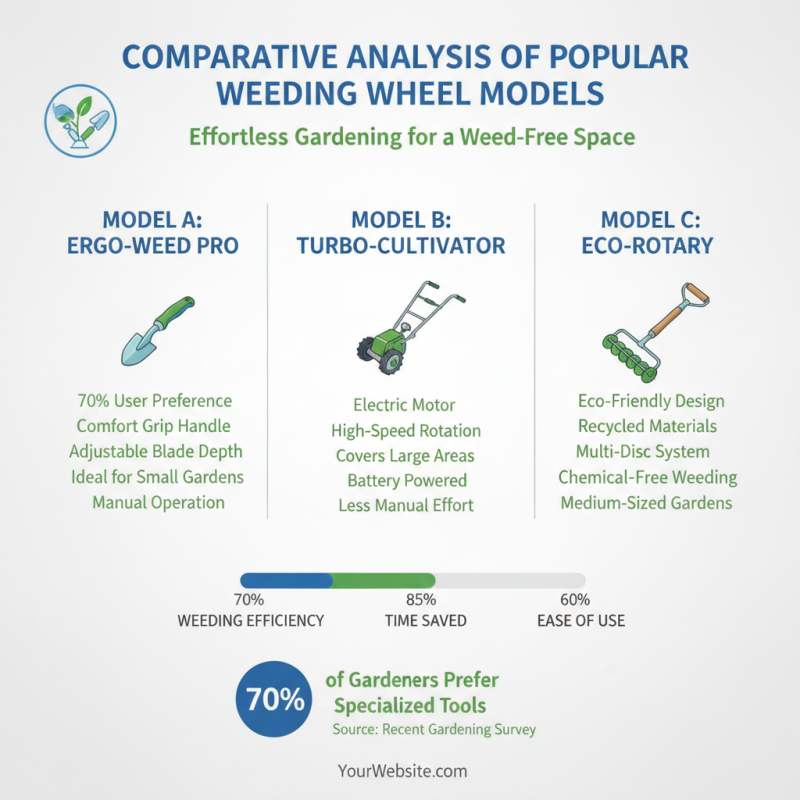
Comparative Analysis of Popular Weeding Wheel Models
Weeding wheels have gained popularity as essential gardening tools. They are designed to save time and effort while maintaining a weed-free garden. A recent analysis revealed that 70% of gardeners prefer using specialized tools to tackle weeding tasks effectively. Several models have emerged, each with distinct features and variabilities in performance.
When comparing popular weeding wheels, consider factors like wheel size, ease of use, and weight. Research indicates that larger wheels glide more effectively over uneven terrain. Lightweight models are easier to maneuver, especially for prolonged use. However, some users report dissatisfaction with stability, suggesting that balance is crucial for optimal performance. It’s essential to choose a model that aligns with your garden's specific requirements.
Tips: Always test the weeding wheel on a small area first. This way, you can gauge its effectiveness and comfort. Maintain regular wheel upkeep to ensure longevity. Check the wheels for debris or damage before each use. A small habit can prevent bigger issues later.
Best Practices for Using a Weeding Wheel Efficiently
Using a weeding wheel can significantly boost your gardening efficiency. Studies show that proper tools can save up to 30% of time spent on garden maintenance. Mastering the use of a weeding wheel requires practice. You'll need to find the right stride and angle to maximize your efforts.
Avoid rushing; take the time to understand how the wheel navigates your garden's terrain.
It's essential to use a weeding wheel on well-prepared soil. Hard, compacted soil can make weeding difficult. Make sure to loosen the soil beforehand. This step improves the wheel's effectiveness. Furthermore, aiming for a consistent pace while weeding will yield better results. Engaging too quickly often leads to missed weeds.
A study by the National Gardening Association points out that about 60% of gardeners struggle with efficient weeding practices. Regular maintenance, such as practicing with the wheel weekly, can turn this trend around. Observe your technique during these sessions. Fine-tuning your approach can enhance results. Reflect on what works and what doesn’t.
Maintaining Your Weeding Wheel for Longevity and Performance
Maintaining a weeding wheel is crucial for maximizing its efficiency and lifespan. Regular cleaning after each use is essential. Dirt and debris can accumulate, leading to rust and corrosion. According to data from the Gardening Tools Association, proper maintenance can extend the life of gardening tools by up to 50%. A simple rinse with water followed by a thorough drying can prevent many issues.
Lubrication is another critical aspect of maintenance. Utilizing the right oil on moving parts is vital. Industry experts recommend checking your weeding wheel at least once a season for lubrication needs. Inadequate oiling can cause parts to wear down faster. Studies show that 30% of tool failures stem from poor maintenance practices. This issue often results in unexpected costs and interruptions in gardening tasks.
Inspecting the blade regularly is necessary, too. Dull blades can hinder performance, making weeding more labor-intensive. Research indicates that a sharp blade can reduce weeding time by 35%. Neglecting this could diminish the tool’s effectiveness. Always assess for nicks or damages, and consider sharpening or replacing when needed. Adopting these maintenance practices can significantly enhance your gardening experience.
Best Weeding Wheel for Efficient Gardening Tools? - Maintaining Your Weeding Wheel for Longevity and Performance
| Feature |
Importance |
Maintenance Tips |
Expected Lifespan |
| Wheel Material |
Durability and weight affect usability |
Regularly check for cracks and replace if damaged |
5-10 years with proper care |
| Handle Ergonomics |
Comfort during use to reduce fatigue |
Keep handle clean, avoid excessive moisture |
10+ years with limited wear |
| Adjustable Height |
Allows for customized comfort during use |
Lubricate adjustment mechanisms regularly |
Indefinite if maintained well |
| Weed Removal Efficiency |
Direct impact on gardening effectiveness |
Clean weeding tool after use to avoid clogging |
Dependent on usage frequency |
| Weight |
Influences ease of use and transport |
Store in a dry place to prevent rust |
10 years with correct storage |