What is Ridging Plough and How Does It Improve Farming?
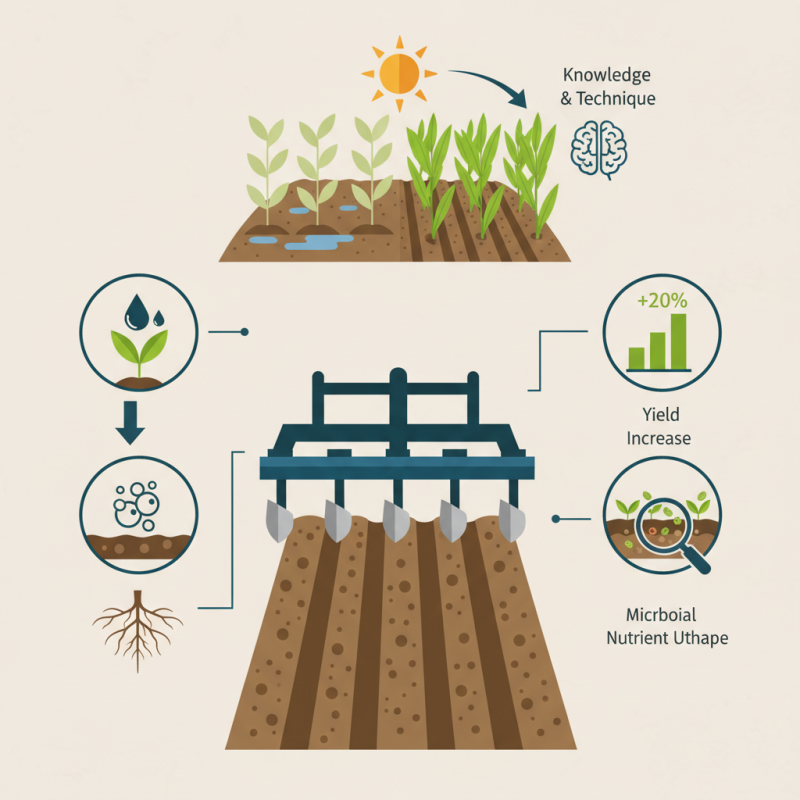
The Ridging Plough is transforming modern agriculture. This innovative tool is designed to create ridges in soil, enhancing crop growth and soil health. According to a 2022 report by the International Society of Precision Agriculture, farmers utilizing this equipment have reported yield increases of up to 20%. This remarkable improvement highlights the plough's efficiency and effectiveness.
One of the primary benefits of the Ridging Plough is its ability to improve drainage. It allows excess water to drain away, which reduces the risk of root diseases. Proper drainage is crucial; stagnant water can harm crops. However, farmers must adapt to local soil conditions, as improper use could lead to erosion.
Moreover, the Ridging Plough can enhance soil aeration. Better aeration promotes root development and nutrient uptake. A study from the Agricultural Research Service noted that well-aerated soils have increased microbial activity. While the potential is evident, farmers need to continuously learn and refine their techniques for optimal results. Balancing innovation with traditional practices is key to maximizing the benefits of this farming implement.
What is a Ridging Plough: Definition and Overview
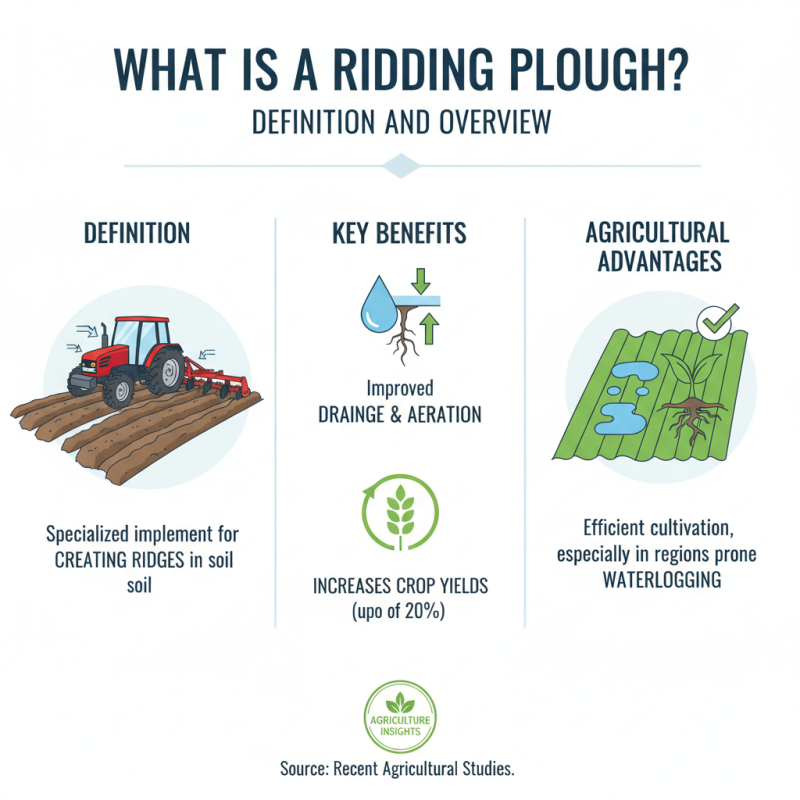
A ridging plough is a specialized implement designed for creating ridges in soil. This can help with improving drainage and aeration, benefiting various crops. According to recent agricultural studies, using a ridging plough can increase crop yields by up to 20%. The design allows farmers to cultivate more efficiently, especially in regions prone to waterlogging.
This tool forms raised beds, making it easier for crops to access nutrients. The ridged structure prevents soil erosion and reduces runoff. In trials, farms using ridging ploughs reported better moisture retention. This practice supports sustainable agriculture, as highlighted by the 2022 Agriculture Sustainability Report. However, achieving these results requires skilled operation and knowledge of soil types.
While ridging ploughs offer several advantages, they necessitate a mindful approach. Improper use can lead to soil compaction or hinder crop establishment. Farmers must stay informed about local conditions and adapt accordingly. Continuous education and training enhance the efficacy of employing these tools. The key lies in understanding the balance between innovation and traditional farming methods.
Historical Development of Ridging Ploughs in Agriculture
The ridging plough has a rich historical background in agriculture. Initially used in ancient civilizations, it helped farmers shape the land. The design aimed to create ridges, which are essential for drainage and soil aeration. Over centuries, ridging ploughs evolved significantly. Each development incorporated local farming needs and customs. Farmers experimented with various designs, resulting in improved efficiency.
Tips: Consider the local climate when using a ridging plough. Proper soil moisture is crucial.
The technology behind these tools has grown more sophisticated. In the 19th century, the introduction of iron components enhanced durability. Farmers could work larger fields with less effort. Yet, some traditional methods remain effective to this day. Balancing modern tools with time-tested practices can yield better harvests.
Tips: Regular maintenance of your plough can prevent setbacks. Check for wear and tear after every season.
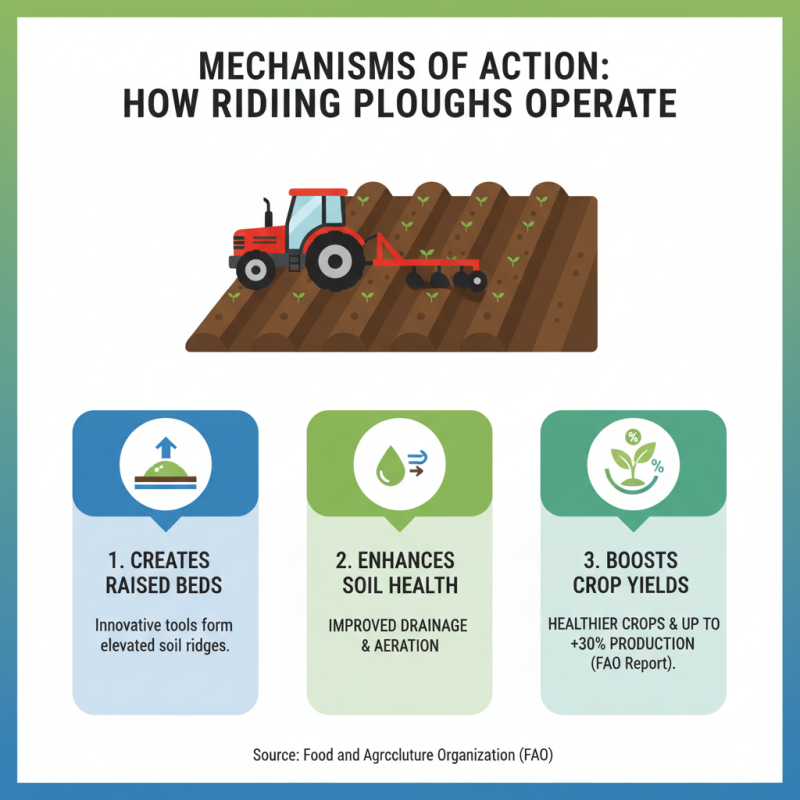
Mechanisms of Action: How Ridging Ploughs Operate
Ridging ploughs are innovative tools in modern agriculture. They create raised beds of soil, which enhances drainage and aeration. This technique can lead to healthier crops and improved yields. According to a report by the Food and Agriculture Organization (FAO), soil management practices using ridging can increase production by up to 30%.
The operation of a ridging plough is quite simple yet effective. The plough cuts into the soil, lifting it to form ridges. These ridges help retain moisture in dry conditions and reduce erosion during heavy rains. The raised structure allows roots to access oxygen more easily. However, farmers may find the initial cost of implementing ridging systems to be a challenge. Investment in new machinery and training is essential for effective use.
Although ridging ploughs show great promise, they are not a one-size-fits-all solution. Some crops may not benefit as much from raised beds. Farmers need to assess their soil type and climate conditions before adopting this method. Regular monitoring and adjustments are crucial. Ultimately, while ridging ploughs offer advantages, farmers must weigh these against their specific needs and limitations.
Advantages of Using Ridging Ploughs for Soil Health
Ridging ploughs are innovative tools that can significantly enhance soil health in farming. They create raised beds, helping to manage water effectively. This design allows for better drainage and reduces soil erosion. Farmers also find that ridging increases soil aeration. Improved aeration means roots can grow deeper and access more nutrients.
Using ridging ploughs can also lead to better crop yields. When soil is well-structured, it supports plant growth. Many farmers report greener plants and larger harvests after adopting this method. However, not every farmer sees immediate benefits. Some may struggle with adapting to new techniques or understanding the proper usage. Taking the time to learn is crucial.
The ecological impact of ridging ploughs cannot be overlooked. They support biodiversity in the soil ecosystem. However, the careful implementation is necessary to avoid potential issues. If used incorrectly, they could disrupt the soil structure. Thus, continuous education and practice are essential for achieving long-term success in soil health with ridging ploughs.
Impact of Ridging Ploughs on Crop Yields and Farming Efficiency
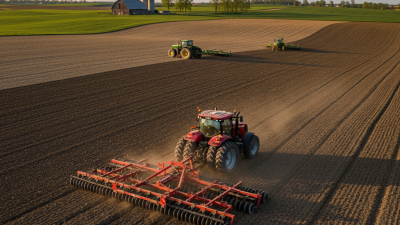
Ridging ploughs have gained attention for their significant impact on crop yields and farming efficiency. These specialized tools create raised rows in the soil, facilitating better drainage and aeration. This design helps to control weed growth and allows crops to thrive. Farmers have reported improved soil structure and reduced erosion, contributing to healthier plants.
The use of ridging ploughs can lead to notable increases in productivity. Many farmers experienced higher yields due to enhanced root development from the elevated beds. However, mastery of ridging techniques can be challenging. Some farmers struggle with optimal row spacing and depth. Mistakes in this area can hinder the intended benefits.
Optimizing farming practices requires continuous learning. Adaptability is crucial in integrating ridging ploughs into existing systems. Gathering data is essential; farmers must monitor changes in yield and soil health. This can guide future decisions. While ridging ploughs offer many benefits, recognizing and addressing these challenges is vital for success. Each farm has unique conditions that require thoughtful implementation.
Impact of Ridging Plough on Crop Yields
This bar chart illustrates the impact of ridging ploughs on the crop yields of various crops. As demonstrated, the use of ridging ploughs can significantly enhance the yield of crops, shown here in tons per hectare. This efficiency in farming may lead to better resource management and increased farming productivity.