2026 Best Well Pump Options for Global Buyers to Consider?
Choosing the right well pump is crucial for anyone relying on groundwater. With the market evolving, global buyers must consider various factors before making a decision. Well pumps play an essential role in providing water for irrigation, households, and industrial use.
In 2026, consumers will encounter an array of options. Each has its unique features, making it essential to evaluate them carefully. Factors include efficiency, durability, and maintenance needs. Yet, not all options are suitable for every application or environment. Some may excel in specific regions but fail in others. Buyers should be aware of possible drawbacks and challenges.
As you navigate the numerous well pump choices, prioritize your needs and local conditions. Conduct thorough research and seek expert advice. A well-informed decision will ensure reliable water access and long-term satisfaction. Remember, the right well pump can significantly impact your water quality and supply.
Top Features to Look for in Well Pumps for International Buyers
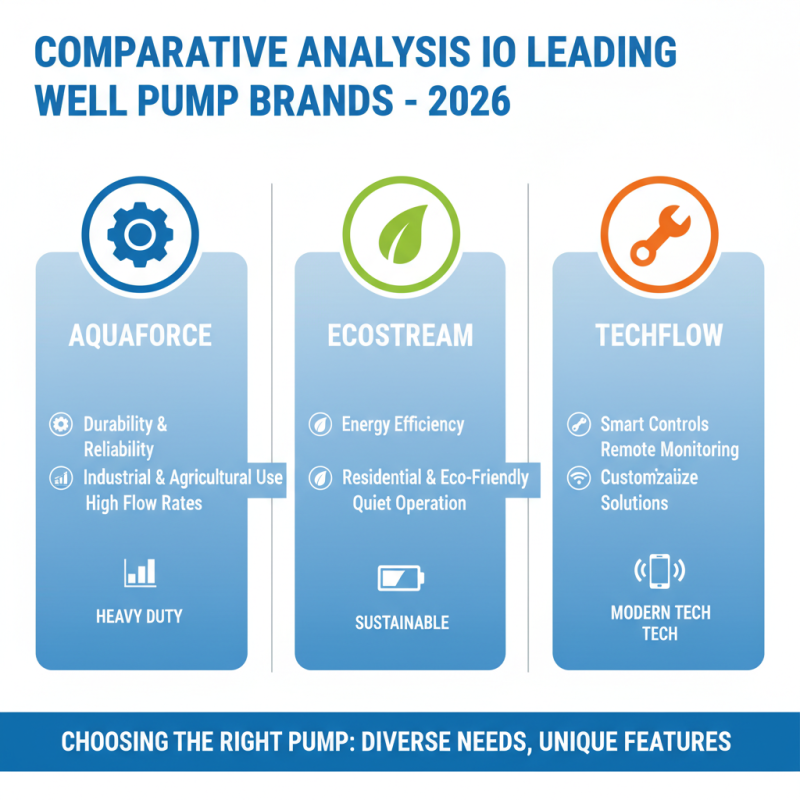
When selecting well pumps, international buyers should focus on specific features that enhance performance and reliability.
Consider pump depth capability. A pump’s ability to operate efficiently at various depths is crucial.
Buyers must assess their own water source depth before making a decision. Variable speed options can also be beneficial.
They allow for adjustment based on water demand, conserving energy and extending the pump's lifespan.
Durability is another key feature. Materials like stainless steel and thermoplastic offer better resistance to corrosion.
This is especially important in regions with harsh environmental conditions.
Installation requirements should not be overlooked. Some pumps come with comprehensive guidelines, while others may require professional setup.
A clear understanding of installation needs can save time and reduce post-purchase frustration.
Noise levels are also an often-neglected consideration. A quiet pump is preferable for residential areas.
Additionally, prioritize customer reviews and expert opinions. These insights provide real-world feedback.
Uncertainty can arise from competing specifications, making thorough research vital.
Evaluate the long-term maintenance needs of the pump as well. Some may require regular servicing, which affects overall costs.
Types of Well Pumps Available in 2026: An Overview for Global Users
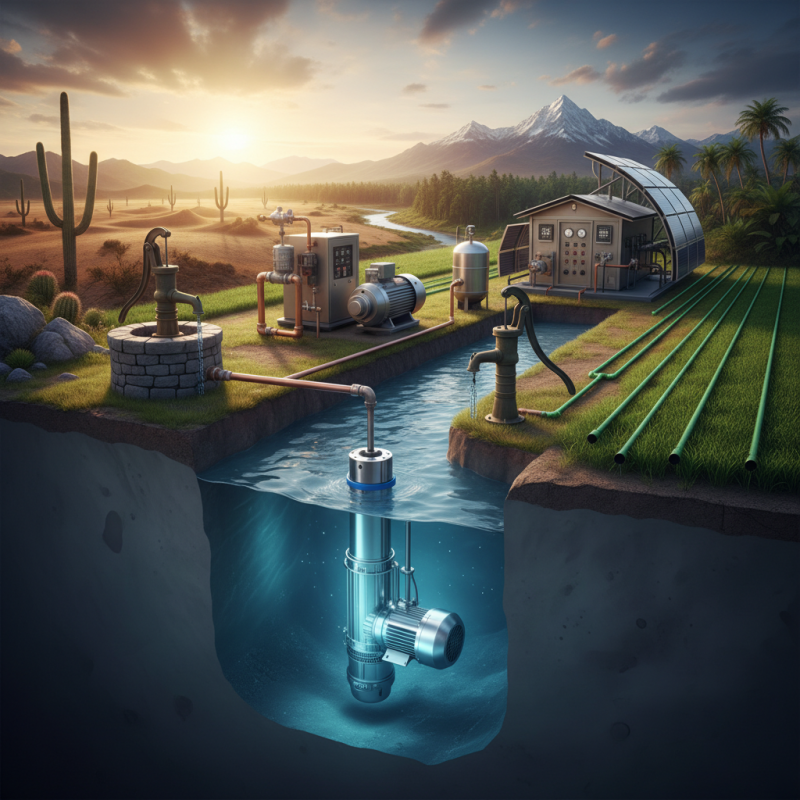
In 2026, the well pump market presents various types suited for global buyers. Submersible pumps remain popular. These pumps, designed to operate underwater, handle deep wells effectively. Their efficient water delivery makes them a reliable choice for irrigation and residential purposes.
Jet pumps are another viable option. They work by creating a vacuum to draw water upward. This type is ideal for shallower wells and can be easier to install than submersible types. According to industry reports from the Global Well Pump Market Analysis, submersible and jet pumps account for over 70% of market share due to their proven efficiency and versatility.
Solar-powered pumps also emerge as a sustainable choice. With rising environmental concerns, these pumps tap into renewable energy. Reports indicate a 15% annual growth in demand for solar pump systems. However, their initial investment costs can raise questions about long-term savings. Buyers should weigh benefits against budget constraints to make informed decisions. It's essential to stay updated about advancements in technology, as innovation impacts choices significantly.
2026 Well Pump Types and Their Popularity
Cost Considerations for Purchasing Well Pumps: What Buyers Should Know
When considering the purchase of a well pump, cost plays a crucial role. Buyers often overlook the complete expenses involved. The initial purchase price is just the beginning. Installation, maintenance, and energy consumption can add up over time. It's essential to factor in these hidden costs when budgeting.
Tips: Research different types of well pumps. Understand their efficiency ratings. These ratings will impact long-term costs significantly. Look for local resources or experts who provide guidance. Their insights can help you avoid common pitfalls.
Buyers should also reflect on their specific needs. The size and depth of the well affect which pump is suitable. Choosing the wrong type could lead to inefficient pumping and increased expenses. It’s wise to get insights from professionals who can assess your situation. Often, personal experiences shared by others can highlight what to avoid.
Don’t rush into a decision. Take your time to evaluate options thoroughly.
Maintenance Tips for Ensuring Longevity of Well Pumps in Diverse Conditions
Proper maintenance is crucial to ensure the longevity of well pumps. Regular inspections can identify potential issues early. Check for leaks or unusual noises during operation. These signs may indicate wear or malfunction. Always keep the area around the pump clean. Debris can obstruct airflow, leading to overheating.
Water quality is another factor to consider. High sediment levels can wear out components more quickly. Installing a sediment filter can protect the pump. Regularly changing this filter can significantly enhance performance. It’s essential to monitor the pump’s pressure and flow rate regularly. Sudden changes can signal underlying problems that need attention.
Finally, remember that even the best well pumps require care. Neglecting minor issues may lead to costly repairs later. Always refer to the manufacturer's guidelines for maintenance schedules. If unsure, consulting with a professional can prevent further complications.
2026 Best Well Pump Options for Global Buyers to Consider
| Well Pump Type |
Depth Range (ft) |
Flow Rate (GPM) |
Material |
Efficiency Rating |
Maintenance Frequency (Months) |
| Submersible Pump |
100 - 400 |
10 - 50 |
Stainless Steel |
High |
12 |
| Jet Pump |
0 - 100 |
5 - 40 |
Cast Iron |
Medium |
6 |
| Hand Pump |
0 - 50 |
1 - 5 |
Plastic |
N/A |
24 |
| Solar Pump |
10 - 300 |
3 - 15 |
Aluminum |
High |
12 |
| Turbine Pump |
100 - 600 |
50 - 150 |
Bronze |
Very High |
18 |