China Top Fertilizer Applicator Innovations and Technologies Explained?
In the ever-evolving agricultural landscape, innovations in fertilizer applicators are critical. The global fertilizer market reached $163 billion in 2020, with an expected growth rate of 3% annually. Essential advancements in fertilizer applicators enhance efficiency in nutrient delivery, ensuring crops receive the right amount at the right time. Yet, challenges persist. For instance, precision in application remains a struggle for many farmers, leading to potential overuse and soil degradation.
Recent data indicates that only 30% of farmers utilize modern fertilizer applicators. This underutilization reflects the need for education and accessible technology. Integrated systems that combine data analytics with fertilizer applicators can significantly improve application efficiency. These systems allow farmers to monitor soil health and tailor their fertilization strategies accordingly.
Furthermore, the environmental impact of fertilizer use cannot be overlooked. Misapplication contributes to nutrient runoff, affecting water quality. Striking a balance between productivity and sustainability remains a significant concern in the industry. As the agricultural community pushes for innovation, the effectiveness and reliability of fertilizer applicators will be paramount in shaping the future of sustainable farming practices.
Overview of Fertilizer Application in China's Agricultural Sector
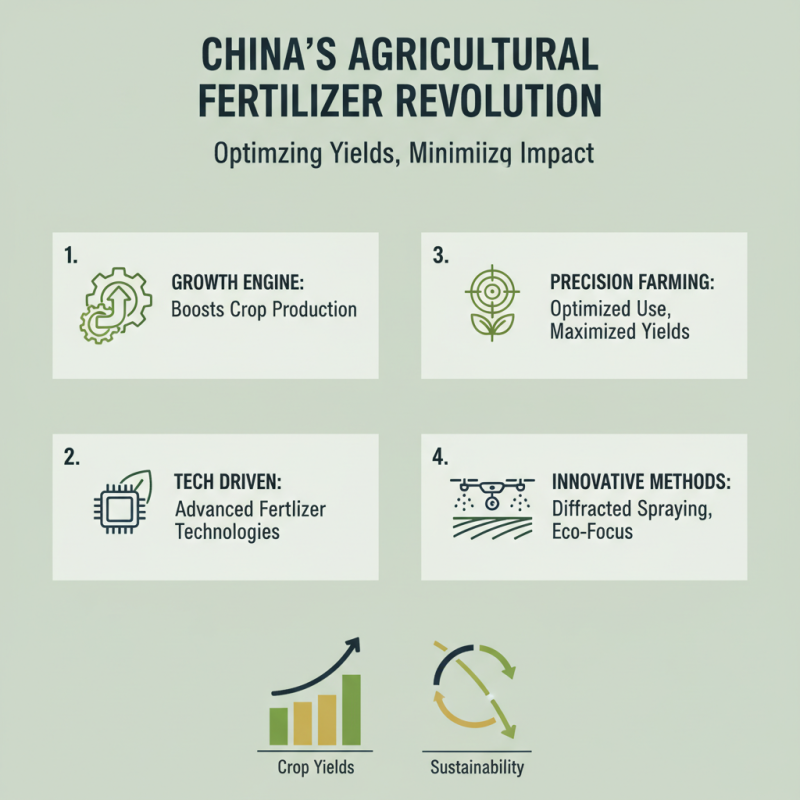
Fertilizer application plays a crucial role in China's agricultural sector. The country's rapid growth in agricultural production is closely linked to advancements in fertilizer technologies. Farmers now use precision agriculture techniques to optimize fertilizer use. This helps maximize crop yields while minimizing environmental impact. Innovations in application methods, such as diffracted spraying, are also gaining traction.
However, challenges still exist. Many farms are small and lack resources for advanced technologies. Farmers often rely on traditional methods that can lead to inefficient fertilizer usage. This can result in lower yields and potential soil degradation. Education and training on modern practices are essential for these farmers. Awareness of the long-term benefits of proper fertilizer application can make a significant difference.
Sustainability must be a key consideration. While technology can improve efficiency, excessive fertilizer can harm the environment. The balance between productivity and ecological health is delicate. Ongoing research in soil health and crop nutrient requirements is vital. Engaging local communities in these discussions could enhance the adoption of innovative practices.
Key Innovations in Fertilizer Applicator Technology in China
Fertilizer applicator technology in China has seen significant advancements. These innovations aim to increase efficiency and minimize waste. A notable trend is the integration of precision agriculture techniques. Sensors and data analytics provide real-time soil information. This enables farmers to apply fertilizers more accurately, which can boost crop yield.
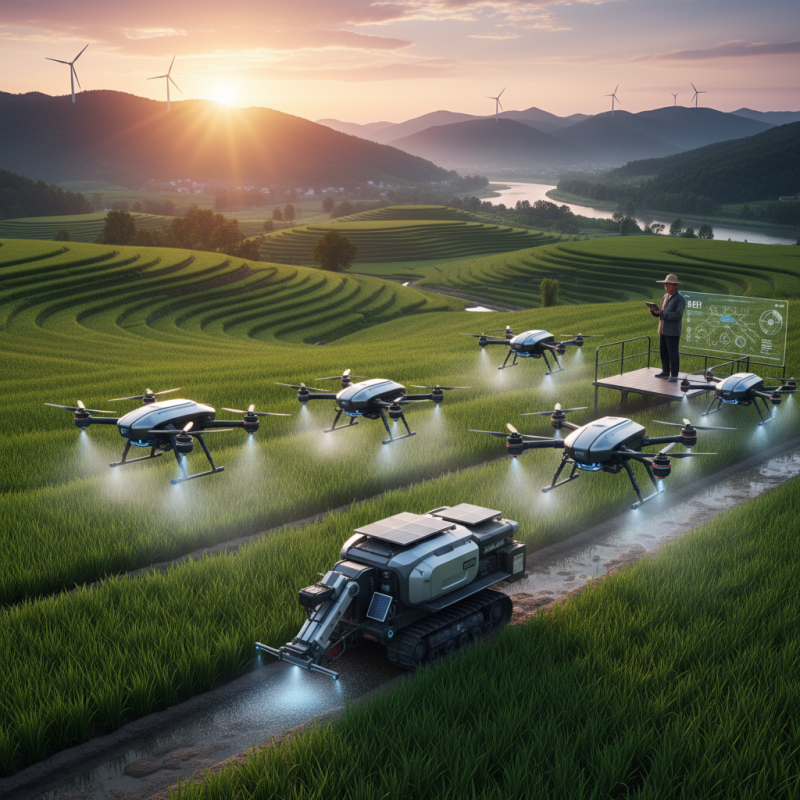
Another key development is the use of drone technology. Drones can cover large fields quickly. They enable targeted applications of fertilizers, reducing the amount needed. This method is also environmentally friendly. It minimizes runoff and lowers costs for farmers. However, challenges remain in training operators and ensuring reliability.
Moreover, smart applicators that adjust settings automatically are emerging. These machines optimize usage based on crop needs. Yet, their high initial costs can deter farmers from adopting them widely. Ensuring accessibility and training for all farmers is crucial for broader adoption. The future of fertilizer applicator innovation lies in balancing technology with practical usability.
China Top Fertilizer Applicator Innovations and Technologies Explained
| Innovation Type |
Key Features |
Impact on Efficiency |
Environmental Benefits |
| GPS-guided Applicators |
Precision tracking and automated application |
Reduces overlap and maximizes coverage |
Minimizes runoff and nutrient loss |
| Variable Rate Technology (VRT) |
Adjusts fertilizer application rates according to field variability |
Improves yield by optimizing nutrient delivery |
Reduces excess fertilization and environmental impact |
| Smart Sensor Technology |
Real-time monitoring of soil and crop health |
Enhances decision-making for fertilizer application |
Promotes sustainable agriculture practices |
| Drones for Fertilizer Application |
Aerial application for hard-to-reach areas |
Increases efficiency in field application |
Minimizes soil compaction and disturbance |
The Role of Precision Agriculture in Fertilizer Application
Precision agriculture has transformed the way fertilizers are applied in modern farming. By utilizing advanced technologies, farmers can optimize their fertilizer usage. This method reduces waste and minimizes environmental impact. Drones, sensors, and GPS technology play a vital role in this process.
Farmers can now collect real-time data about soil conditions. This information helps in adjusting fertilizer application rates accurately. However, implementing these technologies can be challenging. Not all farmers have equal access to these tools, and many require training. Trust in technological solutions can also vary among farmers.
Despite these issues, the benefits of precision agriculture are clear. It enables targeted application, which leads to healthier crops. Sustainable practices can be promoted when fertilizers are used efficiently. Nonetheless, overcoming barriers to adoption remains a critical task for the agriculture sector.
China's Fertilizer Application Innovations in Precision Agriculture
This chart illustrates the adoption rates of various precision agriculture technologies for fertilizer application in China. The data shows the percentage of farmers utilizing technologies such as Soil Sensors, Variable Rate Technology (VRT), and Drones for fertilizer application over the years from 2018 to 2022.
Impact of Smart Technology on Fertilizer Efficiency and Sustainability
Smart technology is reshaping the fertilizer application landscape in China. Advanced methodologies increase both efficiency and sustainability in agriculture. According to a recent industry report, precision agriculture techniques can reduce fertilizer usage by up to 30%. This is vital for sustainable farming, as over-fertilization leads to soil degradation and water pollution.
IoT-based sensors help monitor soil conditions, crop needs, and weather patterns. Farmers can adjust fertilizer application in real-time. This minimizes waste and enhances crop yields. Data indicates that farms using smart technology achieve 20% higher yields on average. However, challenges like initial costs and technology adoption remain for many farmers.
Tip: Invest in training for smart technology. Knowledge empowers farmers to maximize benefits. Additionally, collaborate with local agricultural experts for tailored advice. This approach ensures sustainable practices and optimizes fertilizer efficiency. It's crucial to reflect on these advancements' impacts on the environment and the farming community's long-term sustainability.
Future Trends in Fertilizer Application Technologies in China
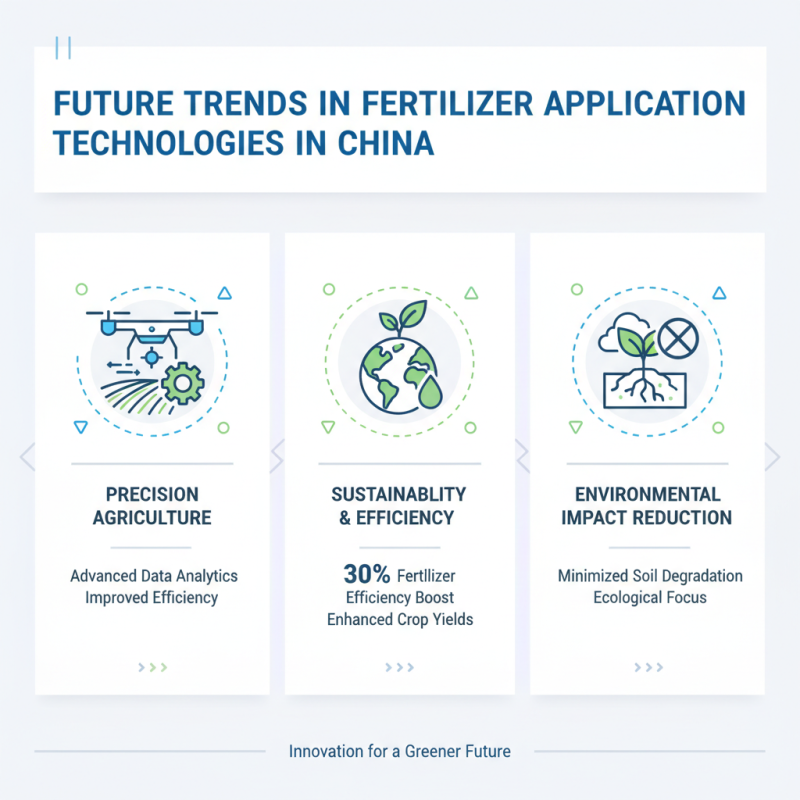
The future of fertilizer application technologies in China is rapidly evolving, driven by innovation and sustainability. Recent studies highlight that precision agriculture, utilizing advanced data analytics, can improve fertilizer efficiency by nearly 30%. This shift not only enhances crop yields but also minimizes environmental impact, addressing the growing concern over soil degradation.
Moreover, the integration of IoT devices is gaining traction. These devices enable real-time monitoring of soil health, moisture levels, and nutrient requirements. For example, sensors can transmit data that farmers use to adjust their fertilizer applications precisely. A report from the Chinese Agricultural University reveals that farms utilizing IoT technologies see a reduction in over-fertilization by up to 25%. This technology promises a more sustainable approach to agriculture.
However, the adoption of these technologies presents challenges. Many farmers lack access to proper training or resources. A gap exists between advanced tech and traditional farming practices. Overcoming these barriers will be crucial for seamless integration. With the right support, China's agricultural sector can move toward more efficient and sustainable fertilizer applications, paving the way for a greener future.