How to Choose the Best Agricultural Plough for Your Farm?
Choosing the right agricultural plough is crucial for maximizing farm productivity. According to the 2021 Global Agricultural Equipment Market Report, the plough segment is projected to grow at a rate of 3.5% annually. This growth highlights the importance of selecting appropriate tools for modern farming practices.
An agricultural plough is not merely a tool; it is a foundational piece of equipment. The right choice can enhance soil structure and improve crop yield. Various types exist, including moldboard, chisel, and disc ploughs. Each serves a distinct purpose based on soil type and crop requirements.
Farmers often overlook the importance of soil conditions and crop rotation when selecting a plough. This oversight can result in suboptimal performance. By understanding these factors, producers can invest wisely in machinery that offers durability and efficiency. It's essential to examine your specific farming needs and consult results from recent agricultural studies before making a decision.
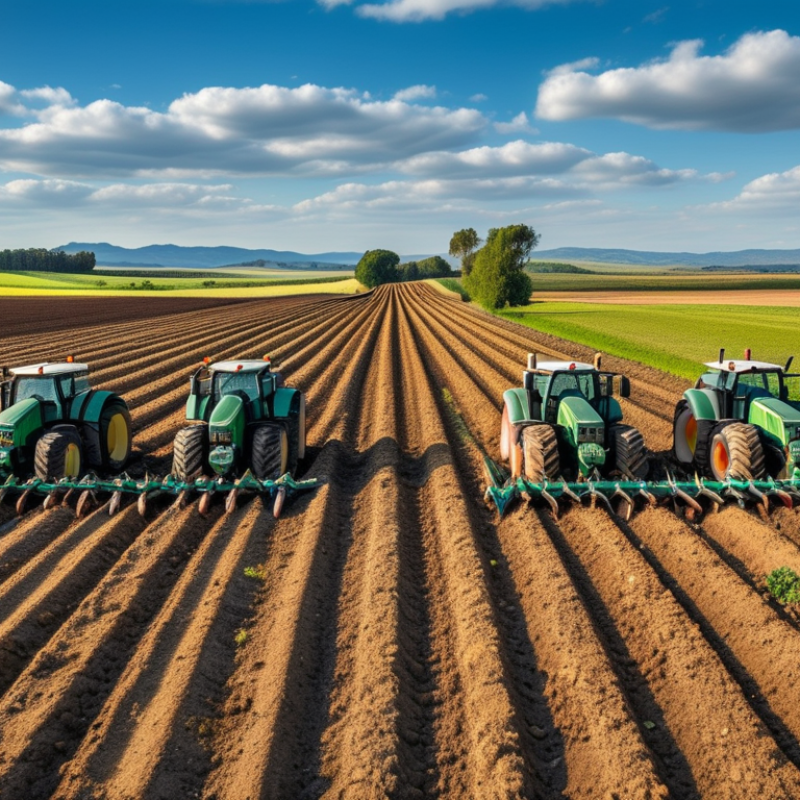
Understanding the Different Types of Agricultural Ploughs Available
Understanding the different types of agricultural ploughs available is crucial for any farmer looking to improve their productivity. The primary types include moldboard ploughs, disc ploughs, and chisel ploughs. Moldboard ploughs turn over the soil effectively, making them suitable for heavy, compacted soils. Disc ploughs, on the other hand, slice through tough soil with ease. Chisel ploughs are best for breaking up soil without turning it over completely.
Choosing the right plough depends on various factors. Consider your soil type, crop rotation, and field size. It's wise to evaluate your specific needs before making a decision. Each plough has its pros and cons. For example, while moldboard ploughs can aerate the soil, they may also disrupt beneficial organisms.
Tips to keep in mind: always test the plough in your field before buying. This will give you a better understanding of its performance. Additionally, keep maintenance in check to prolong the life of your equipment. Investing time in research and consultation can lead to more informed decisions. Remember, what works for one farmer might not work for another. Reflection on your unique farming conditions is essential.
Comparison of Different Types of Agricultural Ploughs
Assessing Your Soil Type and Farm Size for Plough Selection
When selecting an agricultural plough, assessing your soil type and farm size is crucial. Soil texture and composition significantly impact plough performance. For instance, clay soils require different ploughing techniques compared to sandy soils. A study from the American Society of Agricultural and Biological Engineers highlights that compacted clay soils often necessitate a heavier plough with specific adjustments to achieve optimal tillage.
Farm size also plays a critical role in choosing the right plough. Large-scale farms benefit from larger implements that cover more ground efficiently. According to recent data from the USDA, farms over 200 acres often use mechanized ploughs that enhance productivity. However, smaller farms may require more versatile equipment that can maneuver easily in tighter spaces. Understanding these dynamics can lead to better decision-making in equipment investment, reducing the risk of purchasing unsuitable tools.
Reflecting on the common pitfalls in plough selection is equally important. Many farmers overlook the intricacies of their soil type or fail to account for crop rotation needs. This oversight can lead to inefficient ploughing or soil degradation over time. It's vital to continuously assess these factors as your farm evolves and soil conditions change. Regular soil testing can provide insights into nutrient levels, moisture content, and overall soil health, aiding in the selection process.
Evaluating Plough Features: Adjustability, Durability, and Ease of Use
When evaluating plough features, it's essential to focus on adjustability. A good plough should adapt to different soil types and conditions. Adjustable depth settings allow for flexibility. This means you can work effectively in both hard and loose soil. It can enhance crop yields by allowing for optimal tillage.
Durability plays a significant role in choosing the right plough. Materials used in construction can determine how long the plough lasts. High-quality steel can resist wear and tear from harsh farm conditions. We all know that plough repairs can be costly. Investing in a durable tool may minimize long-term costs.
Ease of use cannot be overlooked. An intuitive design helps farmers work more efficiently. Heavy machinery can be daunting, yet a user-friendly plough simplifies operation. The right handles and triggers contribute to better control. Farmers should consider their comfort when using these tools. However, some may find adjusting settings challenging. It's a reflection point for anyone choosing equipment wisely. Balancing these features ensures that you get the best value for your farm's needs.
Budgeting for Your Agricultural Plough: Costs and Financing Options
When considering an agricultural plough, budgeting is crucial. The cost of a plough can vary widely based on its type and specifications. A basic model might start at a few hundred dollars, while advanced machinery can run into thousands. It’s essential to account for both initial purchase price and maintenance costs. Research the typical lifespan of different ploughs; this can guide your decision on what might be more economical in the long run.
Exploring financing options can also alleviate some financial pressure. Some farmers opt for loans or leases as a way to manage upfront costs. Local agricultural cooperatives may offer favorable rates, enhancing affordability. Another route is government grants or programs aimed at modernizing farming equipment. Always review these options carefully; not all finance plans are created equal.
Upfront costs may tempt buyers to choose cheaper models. However, a low price can lead to higher maintenance and lower efficiency. Reflecting on your specific needs is vital. Will this plough meet your farm’s demands? Consider potential returns on your investment. Investing wisely ensures sustainable growth for your agricultural operations.
How to Choose the Best Agricultural Plough for Your Farm? - Budgeting for Your Agricultural Plough: Costs and Financing Options
| Plough Type |
Average Cost ($) |
Financing Options |
Ideal Crop Type |
Durability (Years) |
| Moldboard Plough |
2,000 |
Bank Loans, Lease Options |
Cereals, Vegetables |
15 |
| Disc Plough |
3,500 |
Credit Lines, Equipment Financing |
Heavy Clay, Perennials |
12 |
| Chisel Plough |
1,500 |
Installment Plans, Leasing |
Soybeans, Corn |
10 |
| Subsoiler |
2,200 |
Loan Programs, Grants |
Roots, Tubers |
8 |
| Rotary Plough |
4,000 |
Flexible Payments, Leasing |
Specialty Crops |
10 |
Maintenance Tips for Prolonging the Life of Your Plough
Maintaining your agricultural plough is crucial for its longevity. Regular maintenance not only extends its life but also improves its performance. A well-cared-for plough can make your farming tasks easier and more efficient.
One important practice is to clean your plough after each use. Soil, mud, and debris can cause wear and tear. After a day's work, take the time to remove any buildup. Neglecting this can lead to rust and damage. Additionally, ensure that the moving parts are lubricated regularly. This minimizes friction and prevents breakdowns.
Checking for wear on blades is also essential. Over time, blades may become dull or damaged. Inspect them frequently and sharpen or replace as needed. A sharp blade will cut through soil more effectively.
Lastly, store your plough in a dry, sheltered area to protect it from the elements. Leaving it exposed may lead to corrosion and deterioration, which can be costly in the long run.