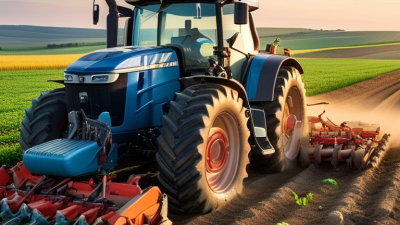
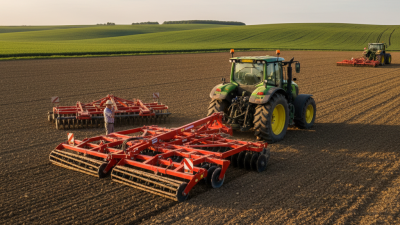
What is a Threshing Machine and How Does It Work?
A threshing machine is a remarkable invention that revolutionized agriculture. According to Dr. Emily Harris, a leading expert in agricultural technology, "The threshing machine transformed farming practices by dramatically increasing efficiency." This powerful tool separates grains from their husks, making harvesting much more effective.
In the past, farmers relied on manual labor for threshing. This process was time-consuming and required a lot of manpower. Today, modern threshing machines tackle this task swiftly. They not only save time but also reduce the physical strain on workers. However, it can be easy to overlook the complexity of this machinery.
Many still face challenges when using threshing machines. Misunderstanding their operations can lead to inefficiencies. Farmers must learn how to maintain these machines effectively. Just as Dr. Harris emphasizes, expertise in using equipment remains vital. The evolution of the threshing machine offers a glimpse into the future of agriculture.
What is a Threshing Machine? An Overview of Its Functionality
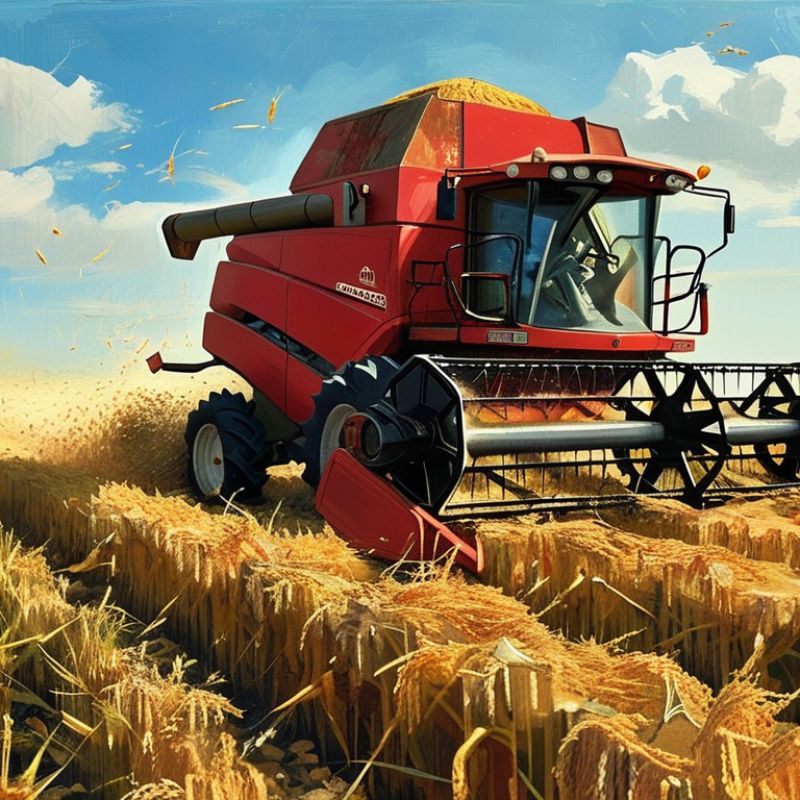
A threshing machine is a vital agricultural tool. It separates grains from the husks and stalks of plants. This device has revolutionized farming practices. Farmers can process crops faster and more efficiently than ever before. The machine works by beating the harvested plants. This action loosens the grains, making them easy to collect.
The core functionality of a threshing machine hinges on three main components: the feeder, the threshing cylinder, and the separator. The feeder pushes the crop into the machine. The threshing cylinder then beats the crop, separating the grains. Finally, the separator sifts through the mixture to collect the clean grains.
Despite its effectiveness, using such machines requires careful handling. Mismanagement can lead to grain loss or equipment damage. Modern machines have improved features, but operational challenges still exist. Understanding the mechanics of these machines is crucial for optimal use. Farmers must stay informed about best practices in operation and maintenance.
The Historical Evolution of Threshing Machines in Agriculture
The threshing machine, an essential agricultural tool, has transformed farming practices through the centuries. Its roots trace back to simple hand tools used in ancient times. Farmers would beat harvested grain to separate it from the chaff. This labor-intensive method was slow and exhausting. Over time, more effective methods began to emerge, making the process of threshing quicker and less physically demanding.
By the late 18th century, the first mechanical threshing machines began to appear. These machines utilized steam power, significantly increasing efficiency. They allowed farmers to process larger quantities of grain in less time. However, the early designs often faced mechanical failures, which could lead to frustrating work stoppages. The advent of horse-drawn threshers further improved productivity, blending traditional methods with innovative designs.
As the 19th century progressed, innovations continued to enhance the threshing machine's reliability. Advances in engineering made machines easier to operate and maintain. Farmers became more skilled in utilizing these machines, but challenges persisted. Some machines were still burdensome to transport, especially for smaller farms. As technology advanced, the development of the combine harvester began to overshadow the traditional threshing machine, signaling a new era in agricultural efficiency.
Key Components of Threshing Machines and Their Roles
Threshing machines play a vital role in modern agriculture. They separate grains from chaff, making the harvesting process efficient. The key components of these machines include the threshing drum, concave, and beater.
The threshing drum rotates, creating friction to separate the grain. A report from the Food and Agriculture Organization indicates that efficient threshing can increase yield by up to 15%. The concave sits under the drum, catching the grains that fall through. It ensures that as much grain as possible is collected. Meanwhile, the beater aids in breaking down tougher materials.
Maintaining these components is crucial. Operators must regularly check for wear, which can lead to decreased efficiency. Preventive maintenance, documented in agricultural studies, can improve machine lifespan by 20%. While threshing machines boost productivity, there is room for further development in energy efficiency. Enhancing these designs can potentially lower fuel costs and reduce environmental impact, a critical aspect of sustainable agriculture.
Threshing Machine Efficiency Over Time
Operational Mechanisms: How Threshing Machines Separate Grains
Threshing machines play a critical role in separating grains from straw. Their operation is mechanical and efficient, designed to maximize yield while minimizing labor. These machines employ various mechanisms like beating, rubbing, and airflow to achieve grain separation.
During the threshing process, grains are subjected to intense physical forces. The machine's drum rotates at high speeds, dislodging grains from the heads of crops. Airflow assists in removing lighter straw and chaff, leaving behind clean grains. According to industry data, modern threshers can increase grain recovery rates by up to 97%. Such efficiency can significantly affect agricultural output and profitability.
However, not all threshing machines deliver optimal performance across different crops. Some may cause excessive grain damage or fail to separate all the grains effectively. Farmers often face challenges in adjusting settings for different conditions. Balancing efficiency and grain quality remains a critical area for improvement in threshing technology. An awareness of machine limitations is crucial for better operational decisions in the field.
What is a Threshing Machine and How Does It Work? - Operational Mechanisms: How Threshing Machines Separate Grains
| Feature |
Description |
Working Mechanism |
Advantages |
Common Crops Processed |
| Definition |
A threshing machine separates grains from the husks and stalks of crops. |
Mechanical separation via beating, rubbing, or friction. |
Improves efficiency and reduces labor costs. |
Wheat, Rice, Barley, Oats, and Legumes. |
| Types |
Types include stationary and portable threshers, as well as modern combines. |
Utilizes a series of rotating drums and spikes to thresh effectively. |
Versatile for different types of crops. |
Grains, Seeds, and Pulses. |
| Components |
Includes a feeder, threshing drum, and sieves. |
Material is fed into the drum, where it's threshed and then sorted. |
Reduces waste and maximizes yield. |
Cereal crops, Oilseeds. |
| History |
Originated in ancient civilizations; evolved significantly over centuries. |
Modern machines operate using advanced technology for precision. |
Increases production rates dramatically. |
Staple crops such as Corn and Sorghum. |
Statistics on Threshing Machine Efficiency and Crop Yield Improvements
Threshing machines have revolutionized agriculture by increasing crop yield efficiency. According to the Food and Agriculture Organization (FAO), modern threshing machines can improve grain recovery by up to 95%. This high efficiency reduces crop loss significantly compared to manual threshing methods. The average labor required for threshing is also reduced, leading to cost savings for farmers.
Data from the USDA shows that the use of mechanized threshing has led to a 25% increase in overall productivity in major grain-producing regions. In countries where these machines are commonly used, farmers report harvesting up to 100 acres within days, a task that could take weeks with traditional methods. However, reliance on machinery poses challenges. Not all rural areas have access to these machines, potentially widening the productivity gap.
Moreover, not all farmers are trained to operate these machines effectively. Mistakes in settings or operation can lead to mechanical failures or inefficient processes. It's essential for farmers to receive proper training to maximize yield. The initial investment and maintenance costs of threshing machines can be daunting. Balancing these factors is crucial for sustainable farming practices.