2026 Top Threshing Machine Innovations and Trends to Watch Out For?
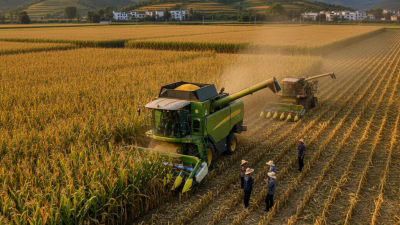
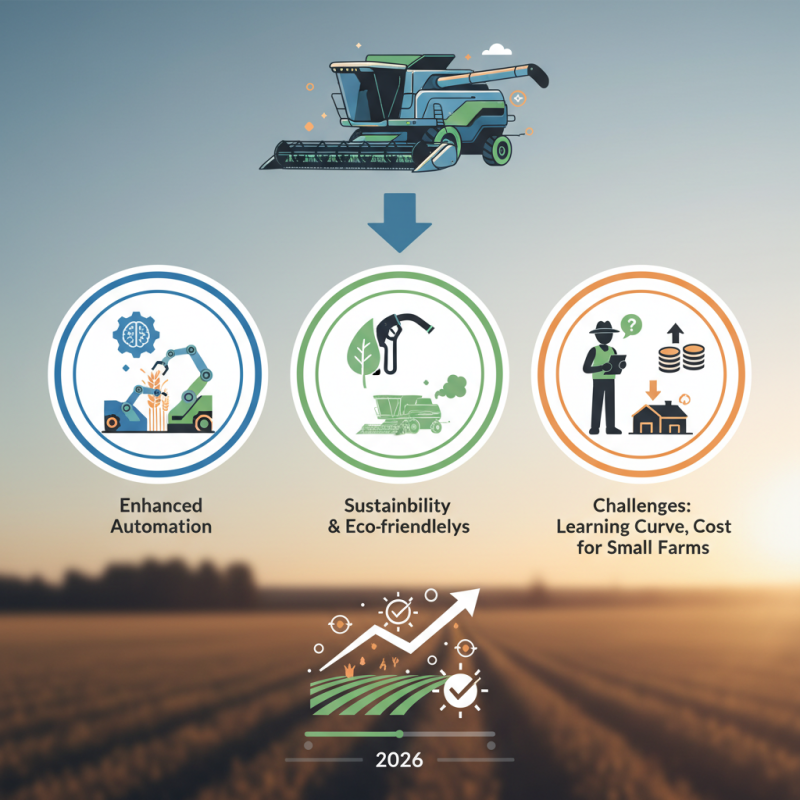
As we move into 2026, the world of agriculture is witnessing remarkable innovations, particularly in the realm of threshing machines. These essential tools are transforming the way farmers approach harvesting. With advancements in technology, new threshing machine designs are set to enhance efficiency and reduce labor costs significantly. Enhanced automation features promise to streamline the thrashing process, allowing farmers to focus on other critical tasks.
The latest trends in threshing machine development highlight a shift towards sustainability and eco-friendliness. Manufacturers are placing greater emphasis on producing machines that minimize fuel consumption and reduce emissions. This commitment to environmental responsibility resonates well with modern agricultural practices. As farms strive for greener solutions, innovative threshing machines are becoming indispensable.
However, not all innovations are perfect or without challenges. As with any new technology, there may be a learning curve associated with operating advanced threshing machines. Farmers may need to invest time in training to maximize the benefits. Additionally, the cost of new machinery can be a barrier for smaller farms. Despite these hurdles, the potential of threshing machines to revolutionize the agricultural industry remains undeniable.
Key Innovations in Threshing Machine Technology for 2026
The threshing machine industry is set for significant advancements in 2026. Key innovations will focus on automation and precision. Reports indicate that the global threshing machine market is projected to grow at a CAGR of 6.5% from 2023 to 2026. This surge reflects the demand for enhanced efficiency in crop processing.
One standout trend is the integration of IoT technology in threshing machines. IoT-enabled devices can collect data, providing real-time insights into crop conditions. This data helps farmers make informed decisions, optimizing both yield and resource use. Studies suggest that farmers can increase efficiency by up to 20% with these technologies.
Additionally, manufacturers are exploring eco-friendly materials in machine construction. Sustainable practices not only reduce environmental impact but also appeal to eco-conscious consumers. However, challenges remain in making these technologies accessible to small-scale farmers. The need for training and support in adopting these innovations cannot be overlooked. Balancing technological advancement with practical application will be crucial moving forward.
2026 Top Threshing Machine Innovations and Trends to Watch Out For
| Innovation |
Description |
Expected Impact |
Implementation Year |
| Smart Sensor Technology |
Integration of advanced sensors for real-time monitoring of crop conditions. |
Increased efficiency and reduced waste during harvesting. |
2026 |
| AI-Powered Automation |
Use of artificial intelligence to optimize threshing processes. |
Enhanced productivity and precision in harvesting operations. |
2026 |
| Eco-Friendly Materials |
Development of sustainable materials for machine construction. |
Reduced environmental impact and improved sustainability. |
2026 |
| Remote Operation Capabilities |
Enabling remote control operations for threshing machines. |
Improved operational flexibility and safety. |
2026 |
| Data Analytics Integration |
Incorporation of big data for enhanced decision-making. |
Streamlined operations and reduced costs. |
2026 |
Emerging Trends in Automation and Smart Farming Solutions
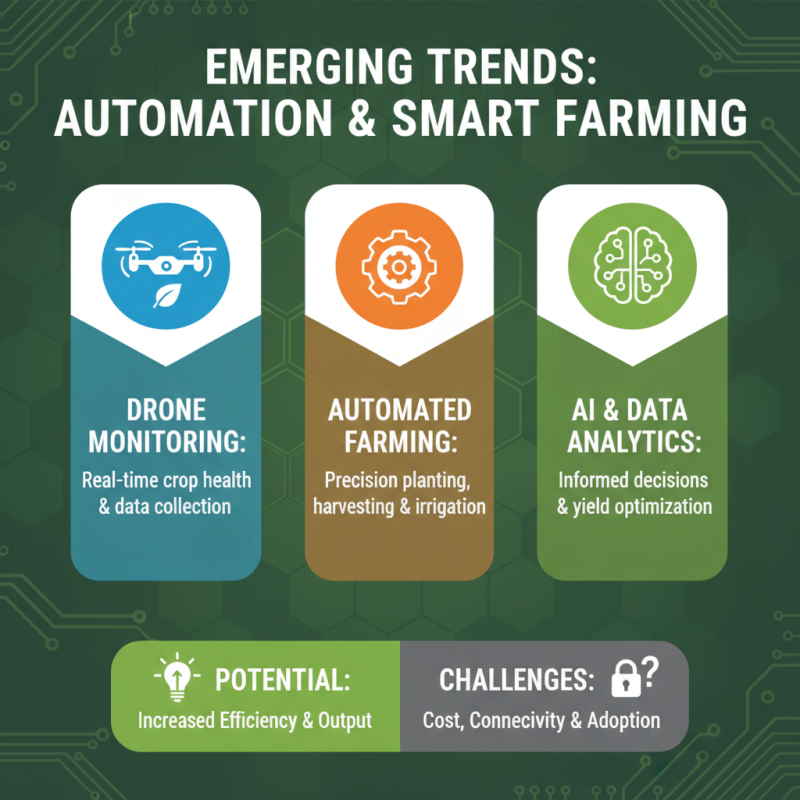
The future of agriculture is undeniably linked to automation and smart farming solutions. Emerging technologies are set to transform traditional practices. Imagine a field where drones fly overhead, monitoring crop health in real-time. These innovations allow farmers to make informed decisions that enhance yield. Their potential is immense, but challenges remain.
Smart sensors embedded in machinery are optimizing operations. They collect data about soil conditions and crop growth. This data helps farmers apply the right amount of water and nutrients precisely when needed. Yet, the reliance on technology raises questions of data security and privacy. With an increase in digital systems, protecting farmers' information is crucial.
Automated threshing machines will likely become a common sight. They promise efficiency and precision, but integration with existing systems can be difficult. While the technology is advancing, farmers must adapt to these changes and navigate the learning curve. This transition highlights the need for ongoing education and support within the farming community.
Sustainability Practices Impacting Threshing Equipment Design
The trend towards sustainability in agriculture significantly shapes the design of threshing equipment. Industry reports indicate that nearly 70% of farmers now seek machines that enhance efficiency while reducing environmental impact. This shift is driven by increasing regulatory pressure and consumer demand for sustainable practices. Threshing machines are evolving to incorporate energy-efficient engines and renewable materials, ensuring a lower carbon footprint.
Several innovations are gaining attention. Advanced separation technologies improve seed recovery rates while minimizing loss. Reports show that machines can achieve recovery rates above 99% with these designs. Additionally, automated monitoring systems enable real-time analysis of fuel consumption and emissions. This data allows farmers to adjust operations for optimal performance, fostering greater sustainability.
However, challenges remain. The integration of high-tech features can drive costs up, making accessibility a concern for small-scale farmers. Balancing innovation with affordability requires thoughtful solutions. As the industry progresses, ongoing collaboration between manufacturers and agricultural experts will be crucial. Addressing these complexities will play a pivotal role in determining the future of threshing equipment design.
Enhancements in Efficiency and Crop Yield Management Techniques
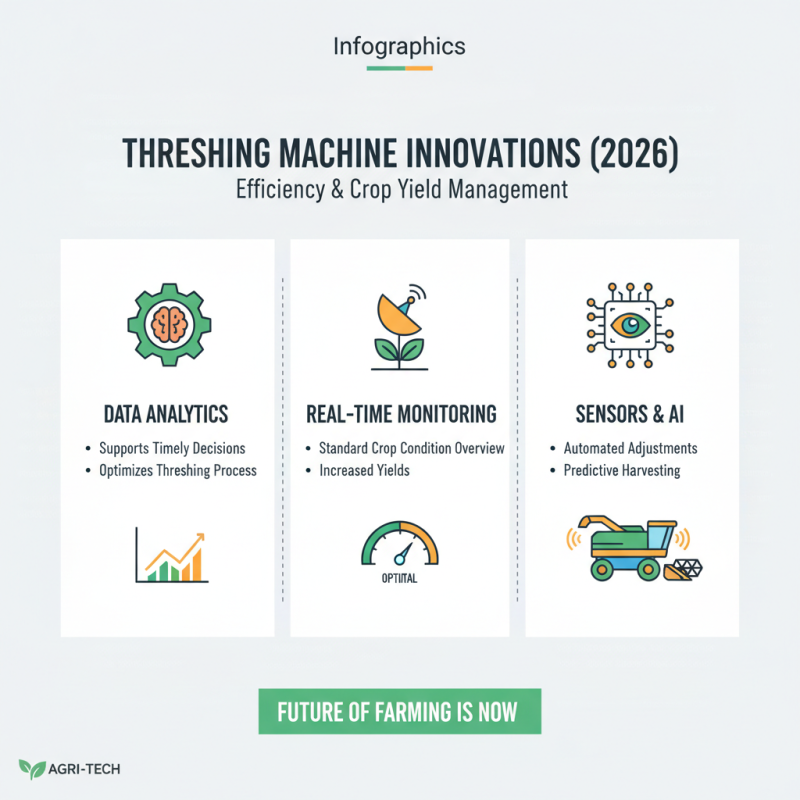
In 2026, threshing machine innovations focus heavily on efficiency in crop yield management. Modern machines increasingly utilize advanced data analytics. This technology supports farmers in making timely decisions. Real-time monitoring of crop conditions is becoming standard. Sensors and AI work together to optimize the threshing process.
Some farmers also face difficulties in adapting to these advancements. Certain regions lack the technical knowledge required for implementation. This gap can hinder the potential benefits of these innovations. Additionally, ongoing training is crucial for maximizing efficiency. While technology improves productivity, not all farmers can access it equally.
Sustainability remains a hot topic. Many machines now aim for reduced fuel consumption and minimal environmental impact. Farmers must consider the long-term trade-offs. Cost-effectiveness is essential, but so is caring for the environment. As innovations develop, a careful balance is necessary to ensure success in agricultural practices.
Future-Proofing Threshing Machines: Adaptations for Climate Change
As the agricultural industry faces climate change challenges, innovation in threshing machines is essential. Machines must adapt to varying weather patterns and crop conditions. Reports from the International Journal of Agricultural Engineering highlight that by 2026, producers will increasingly rely on machines that can seamlessly adjust to humidity and temperature fluctuations. This adaptation can enhance efficiency, reducing waste and maximizing crop yields.
To future-proof your threshing operations, consider incorporating moisture sensors into existing systems. These sensors can aid in real-time monitoring, allowing for necessary adjustments. Another trend is the integration of advanced data analytics. Utilizing software that predicts optimal harvesting times can significantly improve outcomes.
However, challenges persist. Many machines still lack adaptability, leading to inefficiencies. The agricultural sector needs to address this gap by investing in research and development. A study from the Food and Agriculture Organization indicates a growing demand for resilient technologies. By focusing on innovation, the thinning gap can be narrowed, ensuring that farmers remain productive despite climatic shifts.