How to Choose the Best Mini Tiller for Your Garden Needs?
Choosing a mini-tiller can be a daunting task. With so many options available, finding the right one for your garden needs requires careful consideration. A mini-tiller is a versatile tool that can make tilling, weeding, and aerating soil much easier. Understanding its features is crucial for making the best decision.
When selecting a mini-tiller, think about your garden size and soil type. Different models have varying horsepower and tilling widths. These factors greatly affect their efficiency. Ensure you choose one that fits your specific gardening conditions. In addition, reviews from experienced gardeners can provide valuable insights. Their experiences highlight the strengths and weaknesses of each model.
However, don't rush into a decision. A tool that works for one gardener may not suit another’s needs. Take the time to reflect on your requirements. It's essential to weigh the pros and cons of each option. A well-informed choice will lead to a more productive and enjoyable gardening experience.
Understanding the Different Types of Mini Tillers Available on the Market
When selecting a mini tiller, understanding the available types is crucial. There are primarily three categories:
electric, gas-powered, and manual mini tillers.
Electric models are lightweight and quieter, making them suitable for small gardens. According to a report from the
Gardening Equipment Manufacturers Association, about 40% of gardeners prefer electric tillers due to their
ease of use and low maintenance.
Gas-powered tillers offer more power and are ideal for larger areas. They typically have higher torque, handling
tougher soil conditions better than their electric counterparts. However, they can be heavier and require more
effort to operate. Approximately 30% of users opt for gas models to tackle demanding gardening tasks.
Manual tillers, while offering a workout, lack the efficiency of their motorized counterparts. They might be effective
for small patches, but they require significant physical effort and time.
The choice largely depends on garden size and personal preference. Observational data suggests many gardeners often
underestimate their soil preparation needs. It's vital to reflect on soil type and plot dimensions before making a
decision. Choosing the right mini tiller directly impacts gardening success, influencing crop yield and garden health.
Proper assessment and understanding can lead to more fruitful gardening experiences.
Key Specifications to Look for in a Mini Tiller: Power, Weight, and Size
When selecting a mini tiller, power is a crucial factor. Most mini tillers come with electric or gas engines. An electric tiller is quieter and better for small gardens. Gas options typically provide more power but can be heavier. Consider your garden size when making this choice. A powerful engine is great for tough soil but may be overkill for softer, loamy earth.
Weight affects maneuverability and ease of use. Lightweight models are easier to handle, especially in tighter spaces. This is significant for novice gardeners who may struggle with heavy equipment. Heavier tillers often have added durability but can be tedious to move. Think about how comfortable you feel handling the weight of the tiller.
Size is another important aspect. Compact tillers can fit in small garden areas and are perfect for raised beds. However, larger units cover more ground quickly. Reflect on your needs before making a choice. A mini tiller that is too big can be hard to control, leading to uneven soil mixing. Meanwhile, one that is too small might require more effort and time to achieve your gardening goals. Choose wisely to suit your specific gardening tasks.
How to Choose the Best Mini Tiller for Your Garden Needs?
| Specification |
Details |
| Power Source |
Gasoline, Electric, Battery |
| Power Output |
1.5 - 6 HP |
| Weight |
20 - 50 lbs |
| Tilling Width |
6 - 16 inches |
| Tilling Depth |
6 - 10 inches |
| Ease of Use |
Handle Comfort, Weight Distribution |
| Maintenance Requirements |
Oil Changes, Spark Plug Replacement |
| Portability |
Foldable Handles, Wheel Options |
Analyzing Soil Types: How Mini Tillers Perform in Various Soil Conditions
When it comes to selecting a mini tiller, understanding soil types is crucial. Different soil conditions require varied approaches. For instance, sandy soils are light and easy to till. Mini tillers perform well here, breaking the ground quickly. On the other hand, clay soils can be challenging. They are dense and compact, making it harder for tillers to penetrate. In such cases, a tiller with a more robust motor might be necessary for effective cultivation.
Understanding your soil type can greatly enhance your tilling efficiency. Loamy soils, which balance sand and clay, allow for easier tilling and promote healthy plant growth. However, before starting, take a moment to assess your soil condition. Does it clump together? Is it easy to break apart? This reflection can guide your choice.
Consider these pointers: check soil moisture levels before tilling. Too much moisture can lead to clumping and inefficiency. Additionally, think about the depth you need to till. Some mini tillers have adjustable tines for deeper tilling. Always remember that the right tool can make a significant difference in your garden’s health. Embracing these insights will lead you to the best mini tiller for your unique gardening needs.
How Mini Tillers Perform in Various Soil Conditions
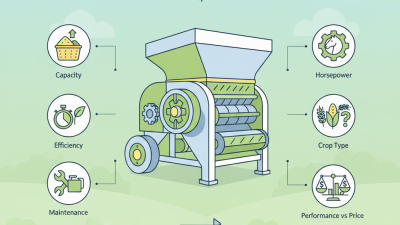
Cost vs. Performance: Finding the Best Value Mini Tiller for Your Needs
Selecting the right mini tiller involves balancing cost and performance.
Gardeners often face the dilemma of what features to prioritize.
Performance includes the tiller's power, durability, and ease of use.
Look for a machine that can handle your specific soil type and garden size.
A more powerful tiller may cost more but can be worth the investment if you're working with tough, compacted soil.
Costs vary significantly between models.
Budget-friendly options might lack necessary features.
Are they sturdy enough? Will they last through multiple seasons?
Sometimes, spending a little more can save you money in the long run.
Investigate whether a model will meet your long-term gardening needs.
Reviews can also provide insights but take them with a grain of caution.
Not all reviews are unbiased; some may overstate performance.
Think about warranties and after-sales support.
A good warranty indicates a manufacturer's confidence in their product.
If something goes wrong, will you have reliable assistance?
Cost might tempt you, but consider potential repair issues.
It’s crucial to weigh immediate savings against future reliability.
Finding the best value mini tiller is often a combination of personal needs and how those needs align with market options.
Safety Features and Maintenance Tips for Optimal Mini Tiller Usage
When selecting a mini tiller, safety features are crucial. These machines can be powerful and potentially dangerous. Models with automatic shut-off systems help prevent accidents. According to the Consumer Product Safety Commission, nearly 17,000 garden-related injuries occur every year, many involving tillers. Proper safety gear is essential. Wearing gloves, goggles, and sturdy shoes reduces the risk of injury significantly.
Routine maintenance is vital for optimal performance. Regularly checking the blades ensures efficient tilling and soil aeration. Clogged air filters can decrease engine functionality. Reports indicate that poorly maintained tillers can lose up to 30% of their power. Lubricating moving parts reduces wear and extends the lifespan of the equipment. Familiarizing yourself with the operation manual enhances your understanding of safe handling.
Despite these precautions, operators sometimes overlook essential checks due to time constraints. It's easy to forget to clean the tiller after use, leading to rust and corrosion. In a survey by the National Gardening Association, 46% of gardeners admitted neglecting maintenance on their tools. Establishing a routine and setting reminders can foster better habits. Small adjustments in your maintenance schedule can lead to significant improvements in both safety and equipment longevity.