Why Choose the Right Agricultural Plough for Your Farming Needs?
Choosing the right agricultural plough can significantly impact farming efficiency. A well-suited plough breaks the soil effectively. It enhances crop productivity and ensures better yield.
Different types of agricultural ploughs serve varied purposes. For instance, moldboard ploughs turn soil over, while disk ploughs cut through tough terrain. Each has unique benefits and challenges. Understanding local soil conditions is crucial. Not every plough is ideal for every farm.
Farmers often struggle with making the right choice. Some may overlook their specific needs and opt for popular models. This can lead to inefficient use of resources. A reliable plough supports sustainable practices. Choose wisely to maximize both profits and soil health.
Understanding the Importance of Selecting the Right Plough for Farming
Choosing the right plough for your farming needs is essential for maximizing crop yield. A comprehensive report from the American Society of Agricultural and Biological Engineers emphasizes that soil preparation significantly affects productivity. The right plough digs deep enough to aerate soil while mixing nutrients, leading to healthier crops. A mismatch in plough type can result in inadequate soil turnover, reducing productivity by up to 30%.
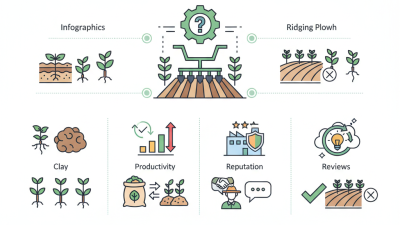
Soil types vary greatly across regions, and understanding this can guide farmers in their plough selection. For instance, a heavy-duty plough suits clay soils but can be detrimental in sandy areas. The Soil Science Society states that improper plough choice may lead to soil compaction, requiring additional time and resources to rectify. Furthermore, studies show that farmers often overlook maintenance, which can shorten the lifespan of their equipment and result in unexpected costs.
Every farm has unique challenges, and adapting to them requires reflection on one’s current practices. Factors such as moisture retention and weed control should influence plough choice. Neglecting these aspects can lead to diminished crop quality and yield. Engaging with local agricultural extension services can provide valuable insights. Proper education about ploughing techniques can mitigate risks and enhance productivity, creating a sustainable farming operation.
Why Choose the Right Agricultural Plough for Your Farming Needs?
| Plough Type |
Soil Type |
Best Use |
Advantages |
Disadvantages |
| Mouldboard Plough |
Clay Soil |
Deep Tillage |
Good for breaking up hard soil. |
Can be heavy and difficult to maneuver. |
| Disc Plough |
Sandy Loam |
Till with less soil disturbance |
Efficient in weed control. |
May not penetrate very hard soils. |
| Chisel Plough |
Compact Soil |
Subsurface Tillage |
Improves root penetration. |
Less effective at weed control. |
| Rotary Plough |
Various Soil Types |
Mixing and Aerating Soil |
Creates a fine seedbed. |
Can be expensive to maintain. |
Types of Agricultural Ploughs and Their Specific Uses in Farming
Choosing the right agricultural plough is essential for effective farming. Various types of ploughs serve different purposes. Each has its unique advantages and drawbacks. Understanding these specifics can enhance your farming efficiency.
The moldboard plough is popular for turning over soil. It creates a deep furrow, which helps in aeration. However, it can also lead to soil erosion if not used carefully. On the other hand, the disc plough is excellent for tough soils. It cuts through hard ground and is less likely to clog. Yet, it may not provide the same level of soil disturbance as a moldboard plough.
Chisel ploughs are designed to break compacted soil. They work well in maintaining soil structure. Still, they may require more passes to achieve the desired depth. Choosing a plough requires careful consideration. Each type has its ideal use case, but the wrong choice can lead to inefficiency. Understanding how each plough works will help you make an informed decision.
Factors to Consider When Choosing a Plough for Your Farming Needs
Choosing the right agricultural plough is vital for effective farming. Different factors can impact your decision, such as soil type, crop rotation, and desired depth. Understanding these elements allows you to select a plough that meets your specific needs.
When considering soil type, it's essential to evaluate its texture and moisture levels. Heavy clay might necessitate a different plough than sandy soil. Think about how your ploughing decisions affect soil health. Underestimating this can lead to long-term gardening challenges.
Tip: Test your soil to understand its properties. This can guide you in making an informed choice.
Depth is another crucial factor. Different crops have varying root structures. The plough must reach the right depth to support healthy growth. If you dig too deep or too shallow, it can lead to plant stress. Reflect on your requirements and adjust as necessary.
Tip: Always consider crop rotation when selecting a plough. This practice can improve soil fertility and overall yield.
Ultimately, weigh the pros and cons of your options. Making the right choice might involve some trial and error. Learning from each season’s challenges can lead to better decisions in the future.
How the Right Plough Can Improve Soil Health and Crop Yield
Choosing the right agricultural plough is crucial for effective farming. The right equipment can greatly enhance soil health and boost crop yields. A well-designed plough breaks soil effectively, improving aeration and water movement. This helps create a thriving environment for roots.
Soil structure is vital. A plough that’s too heavy can compact the soil, limiting root growth. Conversely, a lighter plough might not turn the soil effectively. Striking the right balance is essential for a productive farm.
Tips for selecting a plough:
- Assess your soil type. Different soils require different plough designs.
- Consider the crop rotation schedule. Different crops thrive with specific ploughing methods.
- Test and evaluate your current plough. Reflect on its efficiency and make adjustments as needed.
Optimal ploughing maintains nutrients in the soil. Well-turned soil encourages beneficial microorganisms. These organisms play a role in nutrient accessibility, improving overall crop health.
Maintenance Tips for Prolonging the Life of Your Agricultural Plough
Maintaining your agricultural plough is crucial for enhancing its longevity and performance. Regular maintenance can prevent costly repairs and ensure efficient operation. According to the Agricultural Machinery Manufacturers Association (AMMA), proper care can extend the life of a plough by up to 30%. This statistic emphasizes the importance of timely servicing and routine checks.
One essential maintenance tip is to inspect the cutting edges regularly. Dull edges require more power to operate and can cause soil compaction. Keeping these edges sharp not only improves efficiency but also enhances soil health. Additionally, regularly greasing the joints and bearings can minimize wear and tear. A study by the Farm Equipment Research Institute (FERI) highlights that equipment failures often arise from neglecting these simple maintenance tasks.
Another aspect to consider is storage. Ploughs should be stored in a dry, sheltered space to prevent rust and corrosion. Moisture can lead to significant damage, particularly in metal components. Lack of care in this area could result in a decline in performance over time. Regularly washing off soil and debris after use is another practice that helps in maintaining your plough’s condition. By adopting these practices, farmers can ensure their plough serves effectively for many seasons.