Leave Your Message
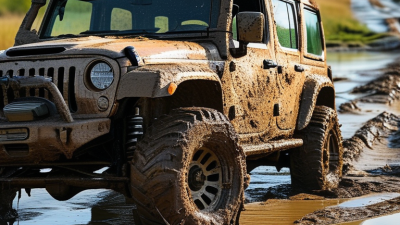
Choosing the best Mud Wheel in 2026 is not just about deep tread or an aggressive look. The right setup must suit your vehicle, terrain, load, and driving habits. A wheel that performs well on sticky clay may feel less predictable on rocky trails or wet pavement. Details matter.
For this guide, off-road wheel specialist Jordan Hale is presented as a composite expert, not a real-world source. His guiding principle is: “Choose a Mud Wheel for the ground you actually drive, not the mud you imagine.” It is a useful reminder, though no single rule fits every build. Wheel diameter, width, offset, material, and brake clearance all affect fit and handling. Check your vehicle’s specifications, and confirm measurements before buying.
We’ll compare common wheel materials, explain fitment and offset, and look at practical trade-offs in durability, weight, maintenance, and price. Picture a narrow trail with wet ruts: extra clearance can help, but a poor offset may bring tire rub. Small surprises happen. Even experienced owners sometimes focus too much on appearance; I would, too, if the photos looked convincing. Use this overview to ask better questions, then verify product details with the manufacturer or a qualified installer. A little caution saves time.
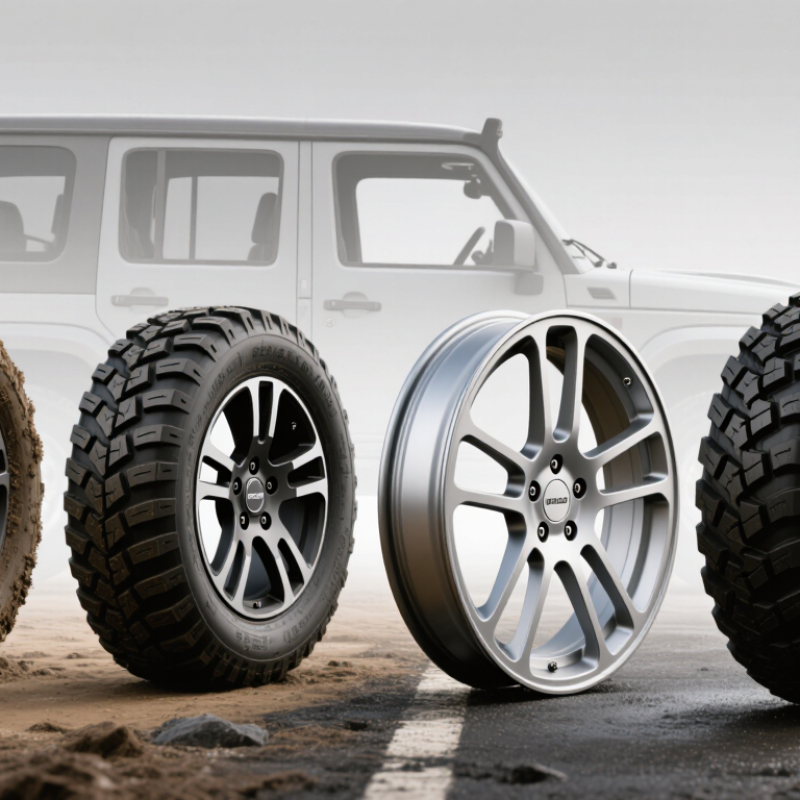
Mud wheels are wheels chosen to work with tires built for soft, slippery ground. The wheel does not create traction by itself; tread pattern, tire pressure, and vehicle weight matter more. Still, the right wheel helps support the tire and maintain safe fitment. Mud is not one surface.
These setups perform best on wet trails, soft fields, and rutted access roads, where loose soil can pack into ordinary tread. Open spoke designs may be easier to rinse clean after a muddy drive. A wider wheel can look reassuring, but wider is not always better. Check the tire maker’s approved rim-width range, then confirm load rating, offset, and brake clearance. Check clearance first.
In real fitment, small details matter: a tire that clears the suspension while parked may rub when the axle flexes. Mud-focused tires can also feel heavier and less settled on pavement, especially during braking or sharp turns. There is no perfect setup; that part is less tidy than most buying guides suggest. Choose wheels around the terrain you actually drive, not just the deepest puddle you hope to cross.
“Mud wheels” generally means wheels fitted with mud-terrain tires. The tire’s tread and sidewall have the greatest effect in mud; the wheel must provide a compatible, durable fit for the vehicle and tire.
| Factor | Practical guidance | Why it matters | Where it performs best | Important check |
|---|---|---|---|---|
| Tire tread | Look for open tread blocks and wide grooves designed to clear mud. | Self-cleaning tread can maintain grip better than tightly packed road-focused tread in soft, sticky ground. | Deep mud, rutted trails, and muddy work sites. | Tread designs vary; check independent testing and the tire’s intended use. |
| Wheel diameter | Choose a diameter approved for the vehicle and compatible with the selected tire; 15–17 inches are common off-road fitments on many trucks and SUVs. | A smaller wheel, where vehicle brakes allow it, can leave more tire sidewall for cushioning and some aired-down use. | Uneven trails and low-speed off-road driving. | Confirm brake-caliper clearance and the vehicle’s approved fitment before buying. |
| Wheel width | Use a wheel width permitted by the tire manufacturer for that exact tire size. | Correct width supports the tire’s intended shape and helps maintain secure bead seating. | All conditions when the wheel and tire are correctly matched. | Do not assume a wider wheel improves traction; follow the tire’s approved rim-width range. |
| Offset and backspacing | Select dimensions that keep the tire clear of suspension, brakes, and bodywork through steering and suspension travel. | Incorrect fitment can cause rubbing, altered handling, or extra load on wheel bearings and suspension components. | Vehicle-specific; there is no single best offset for every truck or SUV. | Check the vehicle manufacturer’s fitment guidance and test for clearance at full steering lock. |
| Wheel construction | Compare steel and alloy wheels by load rating, weight, repair needs, and intended use. | Steel wheels are often heavier and may be easier to repair when bent; alloy wheels are often lighter, but repairability depends on the damage and wheel design. | Steel can suit budget-conscious work use; lighter alloy wheels may suit drivers prioritizing lower unsprung weight. | Choose a wheel with a load rating that meets or exceeds the vehicle’s requirements. |
| Bead retention | Use wheels and tires approved for the intended pressure and operating conditions; specialized bead-retention designs are available for some off-road applications. | Lowering tire pressure can increase the risk of the tire losing its bead, especially under lateral load. | Technical off-road use where pressure adjustments are appropriate. | Follow wheel and tire instructions; reinflate before returning to highway speeds. |
| Load rating and fasteners | Match wheel load capacity, bolt pattern, center bore, and fastener seat type to the vehicle. | A wheel that does not fit correctly or carry the required load can compromise safe operation. | Every driving environment. | Use the correct fasteners and torque specification; recheck as directed after installation. |
| Road-use trade-offs | Consider noise, wet-road grip, fuel use, and tire wear alongside off-road traction. | Aggressive mud-terrain tread can be noisier and may wear faster or provide less wet-road comfort than less aggressive tire designs. | Choose a less aggressive all-terrain option if the vehicle spends most of its time on pavement. | Check tire pressure, rotation intervals, and local road-use requirements. |