Power Weeder Plough Tips for Efficient Farming Practices?
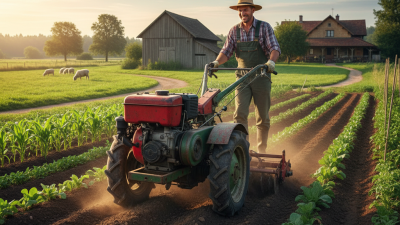
In the world of modern agriculture, the "Power Weeder Plough" stands out as a transformative tool. Dr. Sarah Thompson, an esteemed agro-engineering expert, states, “Embracing technology like the Power Weeder Plough can revolutionize our farming methods.” This insight emphasizes the importance of integrating advanced equipment for efficient farming.
Farmers today face numerous challenges. Traditional methods can be labor-intensive and time-consuming. The Power Weeder Plough addresses these issues, making work easier. It not only simplifies land preparation but also enhances soil health. However, it is essential to understand its proper usage to maximize benefits. Misuse may lead to soil compaction or inadequate planting.
Moreover, while the Power Weeder Plough offers significant advantages, it’s crucial to acknowledge its limitations. Dependency on machinery can overshadow sustainable practices. Farmers should balance technology with traditional wisdom. Cultivating an understanding of the land is equally vital. This balance will lead to truly efficient farming practices.
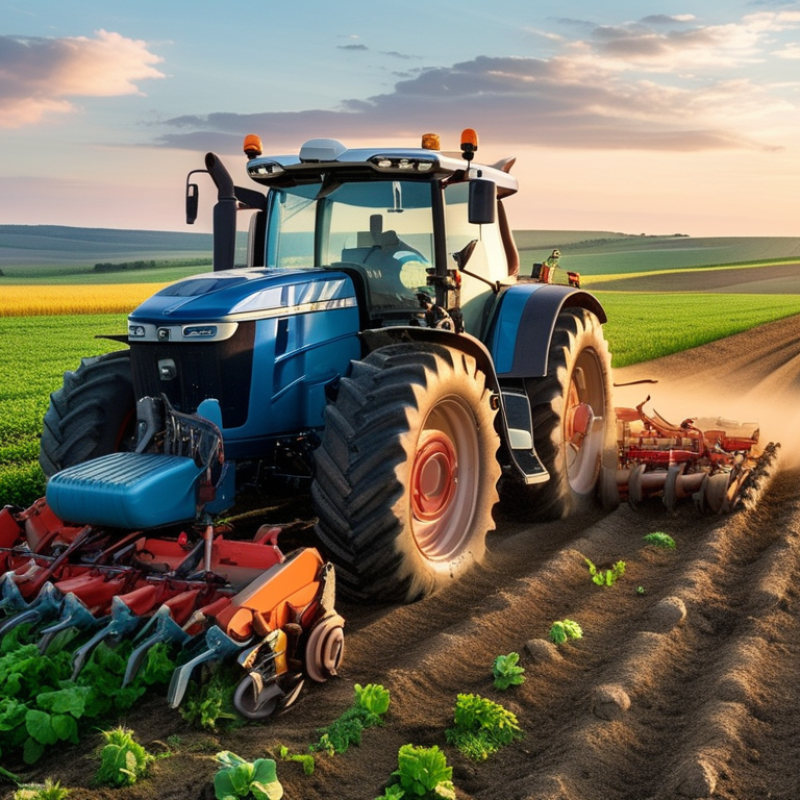
Understanding Power Weeders: Key Features and Benefits
Power weeders are essential tools in modern agriculture, offering
various key features and benefits. These machines simplify the weeding process, allowing farmers to maintain their fields effectively.
Designed for efficiency, power weeders reduce labor costs and increase productivity. They can tackle tough weeds in a fraction of
the time it takes with manual methods.
When choosing a power weeder, consider its weight and
maneuverability. A lighter model may be easier to handle but could struggle with stubborn weeds. A heavier machine might
offer more power, but can be challenging in uneven terrain. Knowing your field conditions can guide your choice wisely.
Regular maintenance is crucial to ensure longevity and optimal performance. Regularly check the tools and replace any worn-out parts
to maximize efficiency.
It’s also beneficial to understand various attachments available. Different attachments can enhance versatility, allowing you
to address multiple farming tasks. Experimenting with these tools can lead
to better results, even if the initial experience feels awkward or imperfect. Embracing the learning curve is vital for harnessing
the full potential of power weeders in your farming practices.
Selecting the Right Power Weeder for Your Farming Needs
When selecting a power weeder, understand your specific farming needs. The right machine can significantly impact productivity. According to industry reports, a well-chosen power weeder can enhance efficiency by up to 30%. Evaluate the size of your farm.
Small farms benefit from compact models, while larger areas may require more powerful units.
Consider the terrain and soil type too. Difficult soil conditions demand durable machines. Some power weeders excel in rocky or clay soils, while others perform better in sandy landscapes. It is crucial to weigh these factors carefully, as the wrong choice may lead to ineffective weeding and wasted resources.
A variety of attachments are available. Some models come with ploughing options, allowing versatility across different tasks.
This adaptability can lead to a more streamlined farming process. However, remain cautious about maintenance costs and downtime. A machine that's versatile but frequently breaks down can hinder progress and be a financial burden.
Always reflect on long-term performance versus initial investment.
Techniques for Effective Ploughing Using Power Weeders
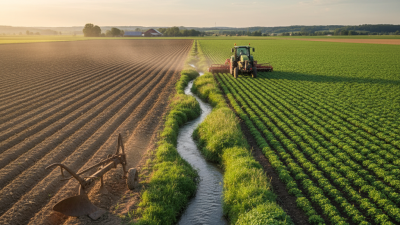
When utilizing power weeders for effective ploughing, understanding the soil and crop requirements is crucial. The Regional Agricultural Research Station found that the layer of soil tilled significantly impacts yields. Properly tilled soil enhances root growth and moisture retention, leading to healthier crops. Studies indicate that well-structured soil can increase crop productivity by up to 30%.
Power weeders offer versatility in ploughing various soil types. They efficiently handle both wet and dry conditions. However, they require skilled operators to navigate tough terrains. Improper use can lead to soil compaction, which diminishes aeration and nutrient absorption. Training farmers to use these machines effectively is vital. Feedback from practitioners shows that structured training improves ploughing outcomes.
Adapting ploughing techniques to local environments is also essential. Soil types can vary significantly. Some regions may benefit more from shallow ploughing, while others may require deeper tilling. Keeping records of past ploughing experiences helps refine techniques. This data-driven approach fosters continuous improvement in farming practices.
Maintenance Tips for Longevity of Power Weeders
Maintaining your power weeder is essential for its longevity and performance. Regular cleaning is a must after each use. Debris can accumulate in the engine and on the blades, causing inefficiency. Make sure to remove grass, mud, and other materials. Check the air filter weekly; a clean filter ensures optimal airflow and engine performance.
Inspecting the oil levels is crucial. Change the oil based on the manufacturer's recommendations. Old oil can lead to engine wear, impacting the weeder’s functionality. Pay attention to the spark plug as well. A damaged plug can cause misfires and reduced power. If you notice any issues, replacing the spark plug can make a noticeable difference.
Additionally, check the fuel system regularly. Stale fuel can lead to starting issues. Use fresh fuel and consider adding a fuel stabilizer for extended storage. Remember that even small details can impact your weeder's performance. Taking time for these maintenance tasks can prevent bigger problems down the road.
Power Weeder Maintenance Tips for Longevity
Maximizing Efficiency: Best Practices for Power Weeder Use
Power weeders are essential tools for modern agriculture, enhancing efficiency in land preparation and crop management. Data from the Agricultural Machinery Manufacturers Association shows that using a power weeder can reduce time spent on land preparation by up to 50%. This significant time saving allows farmers to allocate resources to other critical areas. Proper use of these machines makes it easier to manage weeds and soil health.
Maximizing efficiency with power weeders starts with understanding soil conditions. Soil moisture levels are crucial. Using a weeder on overly wet or dry soil can lead to poor performance. Regular maintenance of the weeder is vital. Checks on the engine, blades, and fuel ensure optimal function. Research indicates that well-maintained equipment can boost productivity by 30%.
Farmers often overlook optimal weeding times. Weeds are most vulnerable right after germination. Targeting this window increases efficiency. Training on best practices remains essential. Even experienced users should continuously seek knowledge to adapt to changing farming techniques. Mistakes are part of the learning curve. Recognizing them is step one. Power weeders can transform farming, but only with informed, strategic use.