What is a Threshing Machine and How Does it Work?
Threshing machines have revolutionized agriculture since their inception. Expert David Thompson, a leading figure in agricultural engineering, once stated, "The threshing machine is essential for efficient grain production." This powerful tool separates grain from stalks and husks, streamlining the harvesting process.
In today's farming landscape, the Threshing Machine remains vital. It not only boosts productivity but also minimizes labor costs. Farmers have shared their experiences, noting how these machines save hours of manual work. Yet, the reliance on technology raises concerns about job losses in some rural areas. Balancing efficiency with community health is crucial.
The Threshing Machine exemplifies modern farming's dual nature. It enhances food production while presenting challenges. As technology evolves, farmers must adapt and rethink their approaches. The dialogue around this machine will continue to shape the future of agriculture.
What is a Threshing Machine?
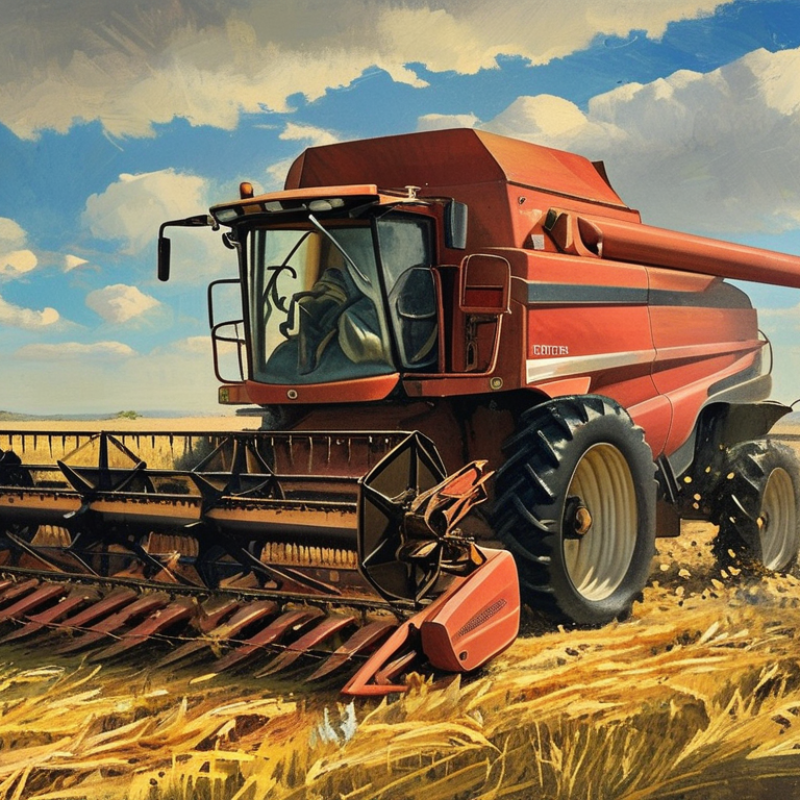
A threshing machine is crucial in modern agriculture. This device separates grains from their stalks and husks. It significantly speeds up the harvesting process. According to the International Food and Agriculture Organization, mechanized threshing can boost productivity by over 50%. Farmers save time and labor costs.
Threshing machines come in various types, including stationary and portable models. Stationary machines often process large quantities of crops in a short time. Portable models offer flexibility, allowing farmers to move them near the field. However, these machines require maintenance and proper training for optimal use. The risk of malfunction can lead to delays, damaging the harvest.
The effectiveness of these machines can vary based on the grain type. Some crops, like barley, may require specific adjustments to prevent grain loss. A study by the American Society of Agricultural and Biological Engineers reports that improper settings can result in a 10% loss of grain. Therefore, understanding how to adjust the machine is critical for maximizing yield efficiency.
Historical Development of Threshing Machines
The threshing machine has a rich history that dates back to ancient times. Initially, humble tools were used. Farmers employed sticks and flails to separate grain from chaff. This method was labor-intensive and time-consuming. As populations grew, the need for more efficient farming methods increased.
The invention of the threshing machine revolutionized agriculture in the 19th century. Early machines were powered by horses, making the process faster and less labor-heavy. These machines employed a series of drums and beaters to separate grain from straw effectively. Eventually, steam-powered and later gasoline engines improved efficiency even further. Despite this progress, the transition wasn't without issues. Farmers often faced breakdowns. They had to learn proper maintenance, which wasn't always simple.
Tips: When using a threshing machine, always read the manual first. Regular maintenance can prevent costly repairs. Understanding how to troubleshoot common problems will save you time. Each era's advancements reflect human ingenuity in overcoming obstacles. While modern machines are sophisticated, early innovation laid the groundwork for today's agriculture. Reflecting on this history can inspire improvements in our own practices.
What is a Threshing Machine and How Does it Work? - Historical Development of Threshing Machines
| Year |
Inventor/Developer |
Key Features |
Impact on Agriculture |
| 1786 |
Andrew Meikle |
First mechanical threshing machine |
Increased efficiency in grain processing |
| 1834 |
Cyrus McCormick |
Combined harvester-thresher invention |
Revolutionized harvesting and threshing times |
| 1920s |
Development of mechanized threshers |
Improved design and powered by engines |
Allowed for large-scale farming |
| 1950s |
Mass production of combine harvesters |
Integrated system for cutting, threshing, and cleaning |
Maximized productivity and reduced labor costs |
| 2000s |
Advanced electronic threshing systems |
Precision agriculture technology integration |
Enhanced yields and sustainability in farming |
Components and Structure of a Threshing Machine
A threshing machine is crucial in agriculture, separating grains from stalks and husks. Understanding its components can enhance efficiency. Key elements include the feed system, threshing cylinder, and separation unit. The feed system brings in harvested crops, while the threshing cylinder uses friction to detach grains.
The separation unit often employs screens and air blasts to remove debris. Modern machines feature advanced sensors for monitoring performance. An industry report by the Food and Agriculture Organization states that mechanized threshing can increase productivity by up to 50%. This highlights the need for efficient machinery.
Tips: Regular maintenance is vital. Inspect belts and screens for wear. A well-maintained machine reduces breakdowns and ensures smooth operation.
It's essential to consider the trade-offs when investing in machinery. Threshing machines can be costly, yet the time saved is significant. Evaluate your farm's scale before purchasing. Understanding each component’s function helps make informed decisions for optimum use.
How Threshing Machines Operate: Step-by-Step Process
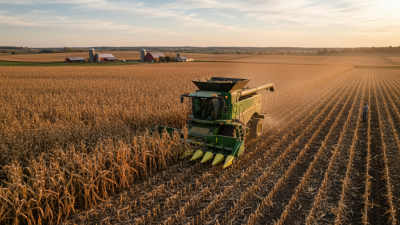
Threshing machines are essential in agriculture for separating grains from their husks and stalks. They streamline the harvesting process, making it faster and more efficient. The operation of a threshing machine involves several steps.
Initially, whole plants are fed into the machine, where they are cut and fed onto a rotating drum. This drum, equipped with spikes or rasp bars, efficiently beats the plant material, causing the grains to detach. The vibration from this action assists in loosening the grains from the rest of the plant. Following this, the material moves onto a screen where air is blown to separate the lighter chaff from the heavier grains.
After separating the grains, they are collected in a designated area for further processing. The leftover stalks are expelled from the machine. It's crucial to adjust the machine according to the type of grain being processed to optimize efficiency. Farmers might notice that different grain types require different settings. Regular maintenance of these machines is essential for reliable operation. Farmers must remain vigilant in inspecting for wear and tear to prevent breakdowns during peak harvesting times.
Modern Innovations in Threshing Technology
Modern threshing technology has evolved significantly in recent years. These innovations focus on efficiency and sustainability. According to a report by the Food and Agriculture Organization (FAO), modern machines can improve grain separation rates by 20%. This is crucial for minimizing crop loss during harvesting.
Farmers are increasingly using automated threshers equipped with sensors. These devices analyze crop moisture levels in real-time. They enable precise adjustments, enhancing the quality of the threshing process. An industry study revealed that such technologies can reduce fuel consumption by up to 15%. This not only cuts costs but also helps in reducing the environmental impact.
**Tips:** Always maintain your threshing equipment for optimal performance. Regular cleaning and checking for wear can prevent breakdowns. When investing in new technology, consider both upfront costs and long-term savings. Balancing innovation with traditional methods can lead to more productive harvesting seasons.
Modern Innovations in Threshing Technology
This chart displays the efficiency of different threshing technologies measured in bushels per hour. As technology advances from manual to modern automated and advanced AI integrated threshers, the efficiency significantly increases, highlighting the importance of innovation in agricultural practices.