Top 10 Trenching Machines Buyers Should Know About?
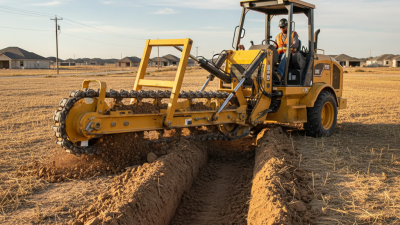
When it comes to construction and excavation, the importance of a reliable Trenching Machine cannot be overstated. These machines are essential for digging trenches for utilities and drainage systems. In a world where precision and efficiency are key, selecting the right trenching machine can significantly impact project outcomes. However, with numerous options available, making the right choice is often daunting.
The top 10 trenching machines highlighted in this guide provide valuable insights into various models that cater to diverse needs. Each machine has unique features tailored for specific tasks, whether it's handling rocky terrain or soft soil. Understanding their advantages and limitations is crucial for informed decision-making. While some machines boast advanced technology, others may require more manual expertise.
Investing in a quality Trenching Machine is not just about the initial cost. Maintenance, operator training, and machine compatibility with existing equipment also play essential roles in determining success. As you evaluate these machines, keep in mind that each choice carries its benefits and challenges. Reflecting on your specific project requirements will lead you to the best solution.
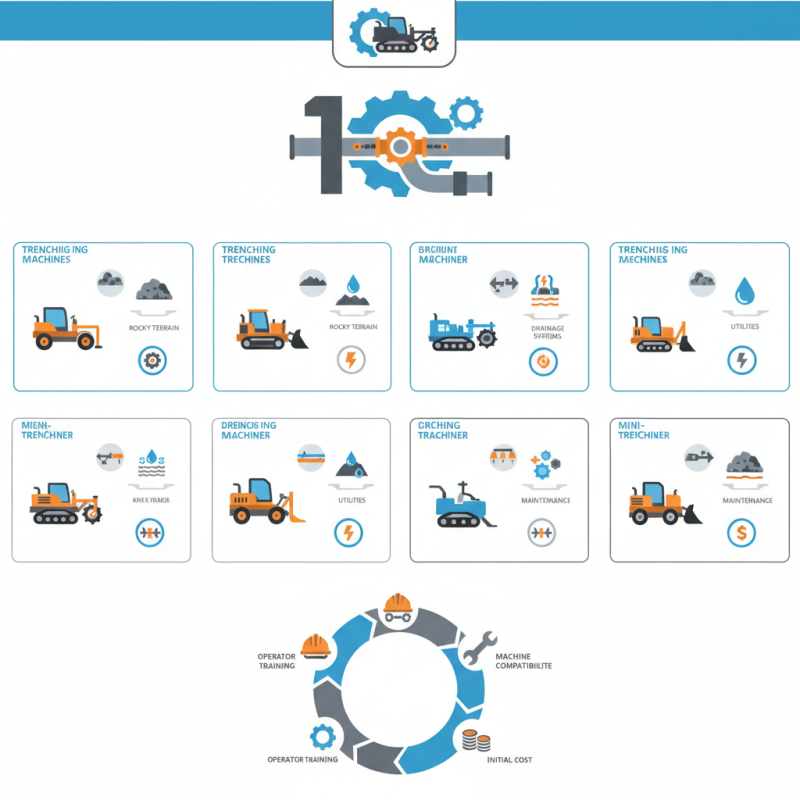
Overview of Trenching Machines and Their Applications
Trenching machines are essential tools in various industries, primarily construction and utility installation. These machines create narrow trenches for laying pipes, cables, or drainage systems. The global trenching machine market is projected to grow at a CAGR of 5.2%, reaching $6.1 billion by 2025, according to recent industry reports.
The versatility of trenching machines is notable. They can operate in diverse soil conditions, from soft clay to rocky terrains. Depending on the model and attachment, trenchers can dig trenches with widths ranging from 4 inches to over 30 inches. However, operators must be aware of potential issues, such as soil collapse or groundwater infiltration during excavation. These challenges can lead to project delays and increased costs.
Training and safety protocols are crucial. Operators need to be well-versed in machine handling to prevent accidents. The industry faces a skills gap, making it vital for companies to invest in proper training programs. This investment not only improves safety but also enhances productivity. As trenching technology advances, staying updated on best practices is necessary for optimal results.
Key Features to Consider When Buying Trenching Machines
When considering trenching machines, it's crucial to focus on key features that impact performance and efficiency. First, examine the digging depth and width. According to industry reports, trenching machines can dig depths ranging from 18 to 72 inches. The ability to adjust digging width can also enhance versatility, catering to diverse project needs.
Another essential factor is the machine's power source. Hydraulics have become increasingly popular due to their efficiency in large-scale operations. The average hydraulic trenching machine produces about 75 to 120 horsepower, vital for challenging soil conditions. However, machines with excessive power may lead to operational inefficiencies, particularly in softer soils.
Additionally, consider the machine's mobility and ease of transport. Many buyers overlook transportability, which can affect project timelines and budgets. Compact models are ideal for urban areas with limited space. A 2022 report indicated that machines with improved mobility could reduce operational time by up to 30%. Ultimately, understanding these critical features can lead to better decision-making in trenching machinery investments.
Top 10 Trenching Machines Buyers Should Know About
This bar chart represents the maximum trenching depth capabilities of the top 10 trenching machines in the market. Buyers should consider these depths when assessing which machine best meets their project requirements.
Top 10 Trenching Machines: A Comprehensive Comparison
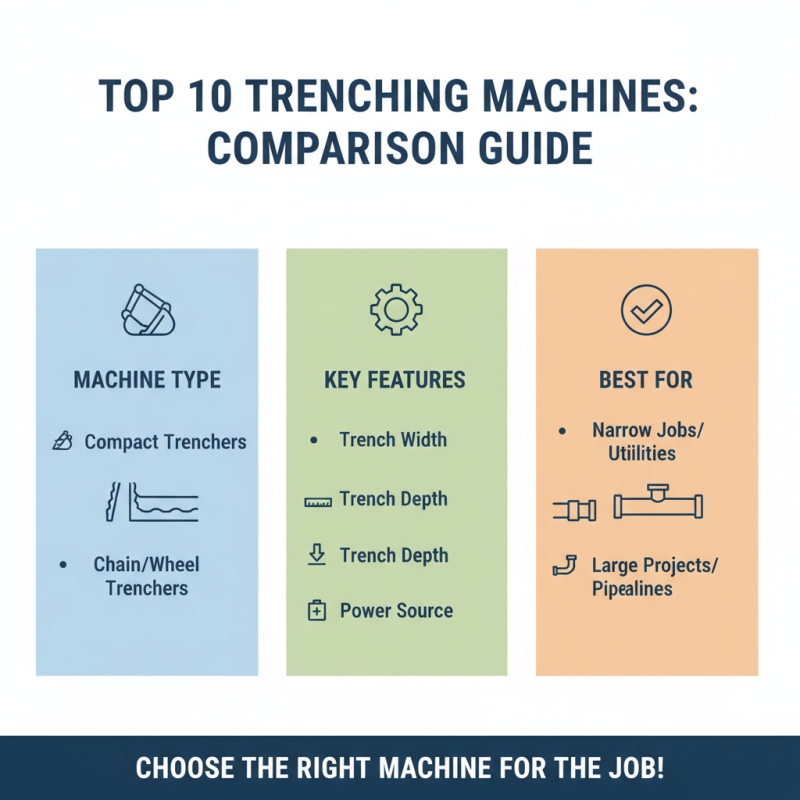
When it comes to trenching machines, understanding their features is crucial. These machines vary in size, capability, and purpose. Buyers should consider the trench width and depth required for specific tasks. Some machines are better suited for narrow jobs, while others excel in larger projects. This aspect can significantly affect efficiency and outcome.
Another important factor is the type of terrain where the machine will operate. Certain models perform better in rocky soil, while others handle softer ground more effectively. Potential buyers often overlook the importance of choosing the right tires or tracks. These can influence mobility and stability during operations.
Maintenance requirements are also a consideration. Some machines offer easy access to parts for repairs, while others may pose challenges. Assessing the cost of ownership, including fuel efficiency and repair costs, can save time and money in the long run. Trenching can be unpredictable, leading to unexpected issues. It’s worth reflecting on how well a machine can adapt to varying conditions.
Pricing Trends and Budgeting for Trenching Machines
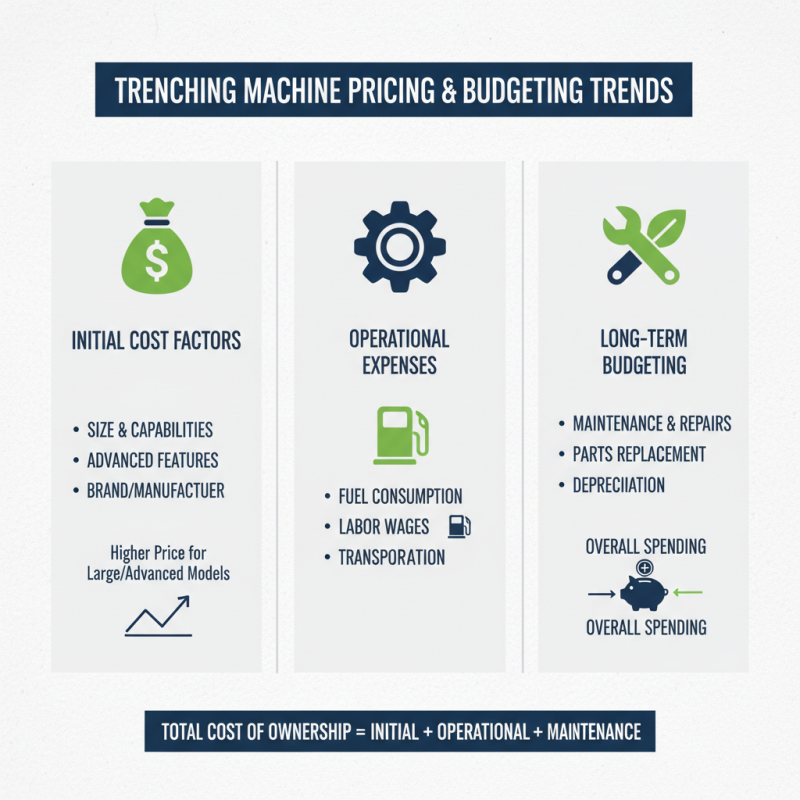
When considering trenching machines, pricing trends are crucial. The cost of these machines varies significantly based on size, features, and capabilities. Larger, more advanced models often come with a higher price tag. For budget-conscious buyers, it’s essential to note that while initial costs are important, ongoing maintenance and operational expenses also impact overall spending.
Buying a trenching machine involves more than just the purchase price. Evaluate the machine's fuel efficiency and parts availability. A machine that consumes less fuel can save substantial costs over time. Parts for common models tend to be easily sourced, which can minimize downtime.
Tips: Assess your specific needs before deciding. Will you use the machine frequently or occasionally? This can influence your investment. Consider rental options for short-term projects. This can reduce upfront costs significantly. Lastly, always keep a contingency budget for unexpected repairs or upgrades. Balancing these factors ensures a smarter financial decision.
Maintenance Tips for Longevity of Trenching Machines
Proper maintenance is crucial for trenching machines. Regular checks can extend their lifespan significantly. Start by inspecting the hydraulic fluid levels. Low levels can lead to inefficient operations. Ensure filters are clean to prevent debris buildup. Accumulated dirt can cause performance issues.
Daily greasing of moving parts reduces wear and tear. This simple action can improve machine longevity. Additionally, monitor belt tension regularly. Loose belts can slip, leading to costly repairs. Ensuring that the machinery is stored properly also helps. Keep it in a dry location to avoid rust.
Don’t forget about the cutting edges. Replace them when worn down to avoid damaging the machine. Schedule routine professional maintenance to catch potential issues early. Ignoring small problems can lead to major breakdowns later. A proactive approach ensures your trenching machine remains reliable and efficient.