What is a Water Transfer Pump and How Does It Work?
In the world of fluid management, a Water Transfer Pump plays a vital role. Experts like John Thompson, a leading engineer in pump technology, emphasize the significance of reliability: "A robust Water Transfer Pump can save time, resources, and enhance productivity." Understanding how these pumps work is essential for various applications, from agriculture to construction.
A Water Transfer Pump is designed to move water quickly and efficiently. It operates using centrifugal force, drawing water into the pump and expelling it through an outlet. Despite their effectiveness, some users may overlook their maintenance requirements. Regular checks can prevent failures and ensure optimal performance. In practical settings, a water transfer pump’s portability can greatly influence its user-friendliness.
When selecting a Water Transfer Pump, one should consider factors like flow rate and power source. However, even with careful selection, challenges can arise. Users might encounter issues such as clogging or low pressure, which requires a thoughtful approach to troubleshooting. Ultimately, familiarity with these pumps enhances their effectiveness in everyday tasks.

What is a Water Transfer Pump?
A water transfer pump is a device designed to move water from one place to another. It is commonly used in various applications, from agriculture to construction sites. These pumps can handle different volumes and pressures, depending on the specific needs of the task. Understanding the type of fluid being moved is crucial because not all pumps are suitable for every liquid.
Water transfer pumps often have a simple mechanism. They usually consist of a motor, an impeller, and a casing. The motor drives the impeller, which creates suction to draw water into the pump. The impeller then pushes the water out through a designated outlet. This straightforward design makes water transfer pumps reliable, but improper use can lead to problems. For example, running a pump dry can damage the internal components, leading to significant repair costs.
Different situations call for different pumps. Some are designed for portable use, while others are stationary. Although water transfer pumps are generally efficient, it's important to understand their limitations. Users must regularly check for clogs and leaks. Even small issues can affect performance. Maintaining the pump is essential for prolonging its life. Regular inspections can help prevent unexpected failures, ensuring smooth operations in any project.
Key Components of a Water Transfer Pump
A water transfer pump is essential for moving large volumes of water efficiently. Understanding its key components is vital to ensuring optimal performance. One primary component is the pump itself, which can be either centrifugal or diaphragm. The centrifugal pump uses a rotating impeller to move water, while diaphragm pumps employ a flexible diaphragm for suction. Both types vary in efficiency and application, highlighting the need for expertise in selecting the right pump for specific tasks.
Another crucial part is the motor, which drives the pump. Electric motors are common, but gasoline and diesel engines are also viable options for remote locations. According to the Hydraulic Institute, proper motor selection can increase pump efficiency by over 20%. Hoses and fittings are equally significant, as they transport water from the source to the destination. Ensuring compatibility among these components is essential to avoid leaks and pressure drops.
Maintaining a water transfer pump requires attention to detail. Regularly inspect hoses for wear and check motor performance. A small issue can lead to significant delays in work. Operators should also be mindful of the pump's rated capacity. Overworking the pump can shorten its lifespan and lead to costly repairs. Understanding these key components can enhance the overall reliability of water transfer systems.
How a Water Transfer Pump Operates
A water transfer pump is a device designed to move water from one location to another. It operates by creating pressure that pushes the water through pipes or hoses. Key components typically include an electric or gas-powered motor, impeller, and housing. The motor powers the impeller, which spins and creates centrifugal force. This force draws water into the pump and pushes it out at a higher velocity.
When using a water transfer pump, consider proper setup to enhance efficiency. Ensure the pump is placed close to the water source. This minimizes suction lift and aids in faster water movement. Always check for leaks in the hoses or connections, as this can affect performance.
In challenging conditions, like muddy areas, the pump might struggle. You may need to clear debris from the intake to maintain flow. Regular maintenance is crucial to ensure longevity. This includes checking oil levels and replacing worn-out parts. A well-maintained pump performs better and lasts longer, saving both time and resources.
Common Applications for Water Transfer Pumps
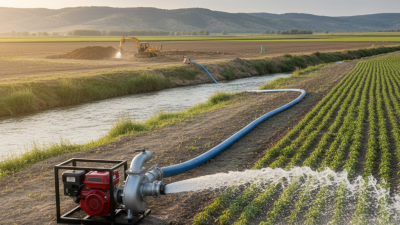
Water transfer pumps are versatile tools used to move water from one place to another. They are commonly found in various applications, making life easier for both homeowners and professionals. One common use is in agriculture. Farmers often rely on these pumps to irrigate crops efficiently. They can quickly transfer water from ponds or wells to fields, ensuring that plants receive adequate hydration.
Another application is in construction. Construction sites often need to remove excess water, especially after rains. Water transfer pumps help keep sites dry, preventing project delays. They also assist in dewatering submerged areas or emptying tanks and pools. This practical use ensures safety and efficiency during work.
When choosing a pump, consider its capacity. You also need to match the pump type to your specific needs. Not all pumps are created equal. Additionally, regular maintenance is crucial to ensure reliable performance. Check connections and seals for wear. Clean filters and parts periodically. These simple actions can prolong the life of your pump and improve its effectiveness.
Maintenance Tips for Water Transfer Pumps
Water transfer pumps are crucial for various applications, from gardening to construction. Proper maintenance can extend their life and ensure efficiency. Regularly check the pump for any leaks or cracks. These can lead to decreased performance and potential hazards.
Cleaning the pump after each use is vital. Debris can clog the system and hinder operations. Inspect hoses for wear and tear. A damaged hose can lead to unexpected failures. Ensure all connections are tight and secure before operation. Loose fittings can cause leaks, wasting water and energy.
Store the pump properly during off-seasons. Keep it in a dry place, away from extreme temperatures. If left in cold conditions, the components might freeze and break. Consider draining any remaining water to avoid this issue. Regular inspections and a proactive approach can save time and money in the long run.