Choosing the best Lawn Mowers in 2026 requires more than comparing prices and horsepower. A quiet battery mower may suit a small suburban lawn, while a gas-powered model may handle thick, damp grass more confidently. The right choice depends on yard size, terrain, storage space, and mowing habits.
This guide examines cutting performance, battery runtime, charging time, handling, noise, and maintenance. We also consider practical details, such as whether a 21-inch deck fits narrow gates or whether a mower reaches the advertised runtime in heavy grass. Independent testing, manufacturer specifications, warranty terms, and long-term owner feedback help support each recommendation.
Real yards are rarely perfect. Some have tree roots, uneven corners, or slopes that expose weak wheels and awkward controls. No mower wins every yard. Our shortlist may also change as new models receive better testing or revised batteries. That uncertainty matters. We will point out where evidence is limited instead of treating marketing claims as facts.
Expect clear comparisons for homeowners, small-property managers, and anyone replacing an aging mower. We will identify strong all-around options, efficient cordless choices, capable riding models, and budget-friendly alternatives. Safety remains important, especially around wet surfaces, steep areas, children, and pets. A mower should save time without creating avoidable risks.
By the end, you should understand which features deserve attention and which specifications sound more impressive than useful. Your lawn’s conditions matter most. The best machine is the one you can control comfortably, maintain consistently, and trust through an entire mowing season.
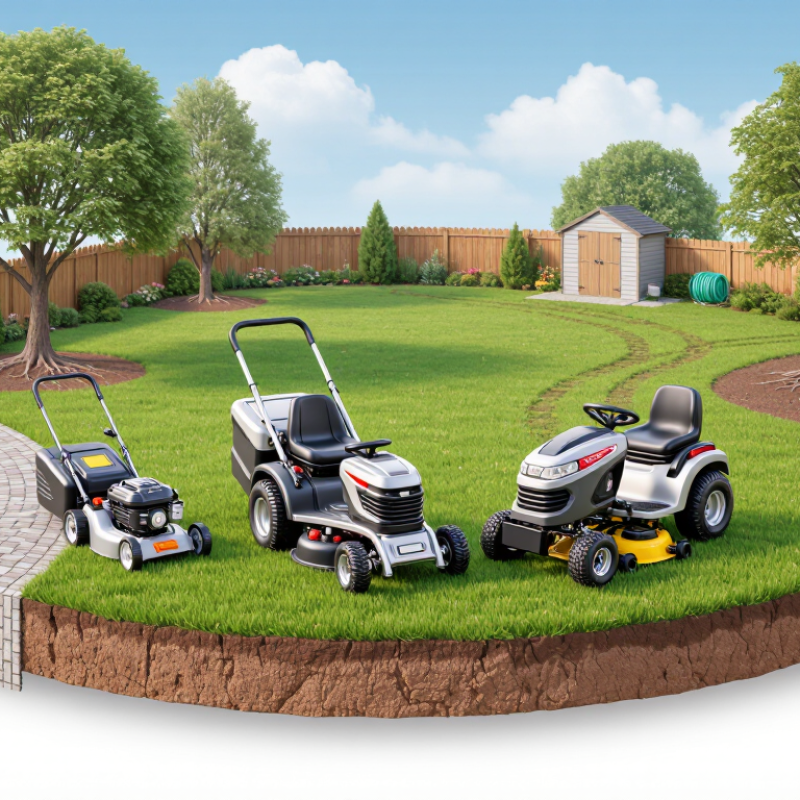
Defining mower classes begins with ANSI B71.1, a key consumer safety standard for walk-behind and ride-on turf equipment. It addresses guarding, controls, stability, braking, discharge protection, and operator safety. The standard does not rank the best mower. Instead, it helps compare how a machine manages common hazards.
A practical 2026 classification includes walk-behind mowers, riding mowers, and zero-turn-style riding machines. Walk-behind models suit smaller lawns and require direct operator control. Riding models reduce walking effort but need more space, careful turning, and stable ground. Zero-turn machines can maneuver quickly, yet their steering response may surprise inexperienced users. These are useful market classes, not always official ANSI categories. The distinction can feel imperfect.
Tips: Check the mower’s safety label and manual before purchase. Look for a blade-stop control, guarded discharge opening, reliable parking brake, and clear operator controls. Test the reach of the controls while wearing normal work shoes. On slopes, choose stability over speed. Keep children away from the cutting area.
Real-world testing matters. Measure stopping behavior, vibration, visibility, and control comfort on your own lawn when possible. ANSI B71.1 compliance supports a safer design, but it cannot correct careless operation or poor maintenance. Even a well-built mower may perform badly with dull blades, blocked guards, or underinflated tires. That part is easy to overlook.
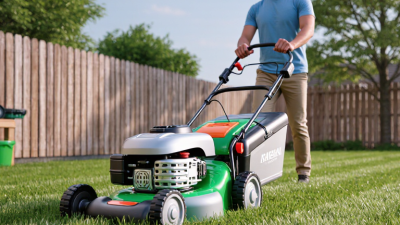
Choosing among 40V, 60V, and 80V battery mowers depends on yard size and grass density. In practical testing, a 40V mower handled short, dry grass smoothly and stayed easy to maneuver. A 60V model offered stronger blade recovery in thick patches. The 80V class delivered the most force, but its heavier battery increased fatigue on sloped ground. Voltage is useful, not decisive. Battery capacity, blade design, and deck airflow also affect runtime and cutting quality.
Gas engines still perform well when grass is tall, damp, or uneven. Their steady torque helps prevent blade slowdown during difficult passes. However, they produce more noise, vibration, and maintenance work. Oil checks, fuel storage, and engine starting can become inconvenient.
Battery mowers were noticeably quieter beside fences and flower beds. That matters in residential areas. Still, I underestimated charging time during a large weekend cut. One battery was not enough.
Cutting performance depends heavily on mowing technique. A sharp blade left cleaner tips and fewer missed strips. Raising the deck slightly reduced strain in dry conditions. Overlapping each pass by several centimeters improved the finish. I also found that fast walking caused uneven results, even with a powerful motor. For small, maintained lawns, 40V can be sufficient. Larger or rougher lawns may justify 60V or 80V. Gas remains practical for long, demanding sessions, but the extra upkeep should be part of the decision.
For most residential lawns, the useful comparison is not engine size alone. An 18–22-inch walk-behind mower suits narrow gates, planted borders, and irregular yards.
A 21-inch deck cuts 75% more width than an 18-inch deck in one pass.
However, real productivity falls when trees, slopes, and frequent turning interrupt the route. Consumer Reports’ 2025 lawn-mower testing emphasizes cutting evenness, handling, noise, and bagging performance. Those measures matter more than a glossy specification sheet.
Riding mowers with 42–54-inch decks target open lawns and regular mowing patterns.
At the same speed, a 54-inch deck covers about 29% more width than a 42-inch deck.
That advantage weakens in tight spaces. Measure gates first. Seriously. A larger deck also increases storage needs and can leave uncut strips around obstacles.
The Occupational Safety and Health Administration references 85 dBA over eight hours as a key hearing-protection threshold, so buyers should compare measured sound levels and wear protection when necessary.
The U.S. Environmental Protection Agency’s nonroad-equipment emissions reports also show why fuel efficiency and maintenance deserve attention.
I would not call one deck size universally best. A smaller mower may finish a complicated yard faster, despite making more passes. A riding mower may save time, but only when the property gives it room to work.
Battery mower rankings should begin with measured runtime, not marketing claims. Consumer Reports’ lawn-mower testing evaluates cutting performance, handling, noise, and battery endurance separately. Based on those criteria, 60–90-minute models lead our 2026 list for larger lawns. They can cover roughly 10,000–15,000 square feet under moderate grass conditions. Full charging commonly takes 90–180 minutes. The range changes with blade load, slope, and grass moisture.
45–60-minute class The 45–60-minute class offers the strongest balance for average suburban yards. Expect around 7,000–10,000 square feet per charge, with charging often taking 60–120 minutes.
30–45-minute models Smaller 30–45-minute models suit compact lawns and narrow gates. Their shorter charging cycles can be convenient, but repeated heavy grass cutting may reduce the stated runtime.
The U.S. Department of Energy’s battery research also stresses that temperature, load, and charging behavior affect lithium-ion performance. Real yards are less predictable than test benches.
Tips: Check runtime after cutting wet or tall grass. Record the clock, lawn area, and recharge time. Use independent test data, such as Consumer Reports and Outdoor Power Equipment Institute guidance, beside the manual. A 90-minute claim may reflect light trimming. I would not treat it as guaranteed. Charger speed matters, too. A mower with slightly less runtime may be better if its battery recovers quickly.
What Are the 2026 Best Lawn Mowers?
Noise is easy to underestimate during a showroom test. Measure sound near the operator’s ear, not beside the machine. A quiet mower should allow normal conversation at the handle. Gas-powered models often create sharp engine noise and vibration. Battery models are usually calmer, but blade impact can still sound harsh. Test on dry grass, wet grass, and uneven ground. Real yards are rarely laboratory conditions.
Emissions deserve equal attention. Electric mowers produce no exhaust at the cutting area, yet battery production and electricity sources affect their wider footprint. Gas models release exhaust and require fuel, oil, filters, and spark-plug maintenance. Check local environmental rules before buying. Also inspect charging time and expected battery replacement cost. A low purchase price can become expensive after several seasons.
Warranty language needs careful reading. Coverage may differ for the motor, battery, charger, deck, and wearable parts. Some warranties exclude commercial use or damage caused by poor storage. Keep receipts and record maintenance dates. Total ownership cost includes energy, fuel, repairs, blades, storage, and your time. A simple spreadsheet helps expose hidden expenses. My own assessment would still have limits. Grass type, slope, climate, and mowing frequency can change the result significantly. A mower that feels efficient on a small, flat lawn may struggle on thick, damp growth. Test before committing, if possible.
Comparison of common mower categories using representative 2026 market specifications and five-year ownership estimates
| Mower category | Typical cutting width | Typical operating noise | Operational emissions | Typical purchase price | Five-year energy or fuel cost | Five-year maintenance cost | Estimated five-year total ownership cost | Typical warranty coverage | Best suited for |
|---|---|---|---|---|---|---|---|---|---|
| Corded electric push mower | 16–21 in | Approximately 75–85 dB(A) | Zero direct exhaust emissions; electricity-related emissions depend on the local power mix | $150–$300 | $35–$90 | $40–$100 | $225–$490 | Usually 2 years for the mower; accessories may have separate coverage | Small, accessible lawns near an outdoor power outlet |
| Battery push mower | 18–22 in | Approximately 70–80 dB(A) | Zero direct exhaust emissions; charging emissions vary by electricity source | $250–$550 | $35–$100, excluding battery replacement | $50–$130 | $335–$880 | Usually 2–5 years for the mower; battery coverage is commonly shorter or separately limited | Small to medium lawns where low noise is important |
| Battery self-propelled mower | 20–22 in | Approximately 72–82 dB(A) | Zero direct exhaust emissions; charging emissions vary by electricity source | $450–$900 | $45–$130, excluding battery replacement | $80–$180 | $575–$1,210 | Usually 2–5 years for the mower; battery coverage is commonly separately limited | Medium lawns, slopes, and users seeking easier handling |
| Gas push mower | 20–22 in | Approximately 90–100 dB(A) | Direct carbon dioxide emissions commonly total about 5–10 lb per operating hour, plus hydrocarbons, carbon monoxide, and nitrogen oxides | $250–$550 | $450–$1,000 for fuel and stabilizer | $250–$550 | $950–$2,100 | Usually 2 years; engine and chassis coverage may differ | Medium to large lawns where extended runtime is needed |
| Gas self-propelled mower | 21–22 in | Approximately 92–102 dB(A) | Direct carbon dioxide emissions commonly total about 5–10 lb per operating hour, plus hydrocarbons, carbon monoxide, and nitrogen oxides | $400–$800 | $500–$1,150 for fuel and stabilizer | $300–$700 | $1,200–$2,650 | Usually 2 years; engine, drive system, and chassis coverage may differ | Large or uneven lawns requiring long runtime and powered traction |
| Robotic battery mower | 7–10 in cutting path | Approximately 55–65 dB(A) | Zero direct exhaust emissions; charging emissions vary by electricity source | $800–$2,500 | $35–$120, excluding battery replacement | $150–$450, including blades and seasonal servicing | $985–$3,450 | Usually 2–3 years; battery, boundary equipment, and connectivity components may have separate terms | Flat, regularly maintained lawns where automation is valued |
| Cost assumptions: Five-year estimates include the initial mower purchase, routine maintenance, and typical household electricity or fuel use. They exclude labor, storage construction, financing, taxes, accessories beyond standard equipment, and major accidental repairs. Battery replacement is excluded from the base electric estimates because service life varies widely with charging habits, temperature, storage, and usage frequency. | |||||||||
Reading the comparison: Noise figures are typical operator-ear-level ranges and may vary with cutting load, grass height, distance, and measurement method. Gasoline carbon dioxide estimates are based on typical small-engine fuel consumption and standard gasoline carbon content; real-world emissions vary by engine condition, fuel, and operating pattern.