Why Choose a Film Covering Machine for Your Business?
Choosing a Film Covering Machine can improve production consistency, surface protection, and daily workflow. It can cover doors, panels, furniture parts, and decorative boards with controlled pressure. The result is often cleaner than manual application. Edges look sharper. Material waste can also decrease.
However, buying equipment is not automatically a smart decision. A machine must match your materials, product sizes, adhesive system, and production volume. A small workshop may need flexibility more than speed. A large factory may prioritize cycle time, automation, and stable output. These differences matter.
“Quality does not happen by accident; it must be planned,” said quality expert Joseph M. Juran. This principle applies directly to film covering operations. Operators should examine heating control, roller pressure, feeding accuracy, maintenance access, and safety functions. Reliable suppliers should provide testing, training, technical documents, and responsive service. Ask to see real samples, not only attractive catalog images.
Production reality can be less perfect. Film may wrinkle. Corners may lift. Settings may need repeated adjustment. That is normal during evaluation, but recurring defects require investigation. A Film Covering Machine should reduce uncertainty, not hide it. Businesses should compare total ownership costs, including electricity, labor, replacement parts, downtime, and training. The cheapest machine may become expensive when production stops.
The strongest choice supports present needs while allowing reasonable growth. It should be practical, serviceable, and measurable. Good equipment does not replace skilled people. It helps them work with greater consistency. That balance deserves careful thought before purchase.
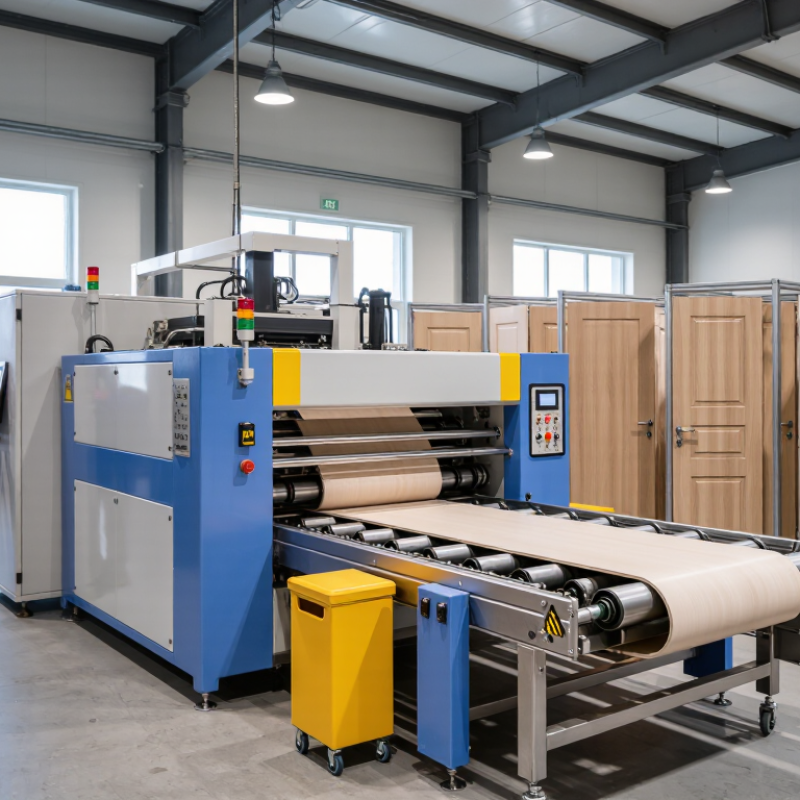
A film covering machine applies a protective plastic film around products, panels, cartons, or bundled goods. It uses rollers, tension controls, heaters, and cutting systems to create a consistent wrap. Some models use stretch film, while others use shrink film or laminated material.
The process is practical. A product enters the conveyor, passes through the film zone, and receives a controlled covering. Heat may tighten the film. A sealing unit closes the edges. Sensors then check position and movement. The machine can reduce dust, moisture, scratches, and handling damage during storage or transport.
The numbers deserve attention. The OECD Global Plastics Outlook reported that packaging created about 40% of global plastic waste in 2019. This makes film selection and material control important. Smithers has also reported continued growth in global flexible packaging demand through 2028, driven by convenience and transport efficiency. Growth does not make every machine suitable.
In real production areas, film tension often causes trouble. Too much tension can mark delicate surfaces. Too little can leave loose edges. A machine may run quickly, yet waste film through poor setup. That detail is easy to miss. Businesses should test product sizes, film thickness, sealing temperature, and recycling requirements before purchasing. A covering machine is not simply a faster wrapper. It is a controlled packaging system, and its performance depends heavily on correct settings.
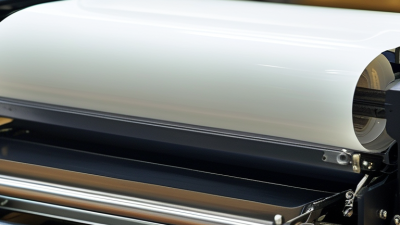
A film covering machine protects products by applying a thin plastic film across a surface. The process begins with a roll mounted on an unwinding shaft. The film passes through guide rollers, which control its direction and tension. Sensors then adjust the film speed to match the conveyor.
Next, a pressure roller presses the film onto the product. Some systems use gentle heat to improve adhesion. Others rely on pressure-sensitive film. Cutting units trim excess material at the edges. A programmable controller coordinates feeding, pressing, cutting, and product spacing.
The details matter.
Uneven tension can create wrinkles, bubbles, or exposed corners. Dust on the product may also weaken adhesion. In daily production, operators often adjust roller pressure after checking several finished pieces. That practical step is easy to overlook.
Fortune Business Insights reported that the protective films market reached about 15.65 billion dollars in 2023. Its report projects continued growth through 2032, supported by demand for surface protection. Grand View Research also estimated the global stretch film market at approximately 3.31 billion dollars in 2023, with growth expected through 2030. These figures suggest expanding demand, but they do not guarantee savings for every factory.
A machine can reduce manual handling and improve repeatability. It may also waste film when settings are poorly calibrated. The best evaluation compares film consumption, line speed, rejection rates, and maintenance time under real operating conditions.
A film covering machine can handle more than simple wrapping. Its real value depends on matching film structure, product shape, and sealing temperature. Common options include polyethylene for bundles, polypropylene for clear carton overwrapping, and laminated barrier films for products needing moisture or oxygen protection. Paper-based films may also run well, but their coatings can increase friction and tear risk.
Suitable products include food trays, bakery cartons, tissue packs, books, cosmetics, household goods, and small industrial components. Flat cartons usually achieve stable coverage and neat seals. Irregular products need adjustable guides, controlled film tension, and accurate cutting. Fit matters. A machine designed for thin film may struggle with recycled or multilayer materials. Operators should test film width, shrink behavior, seal strength, and product heat sensitivity before purchase.
Industry data supports this focus on flexibility. Smithers’ “The Future of Global Packaging to 2028” projects the global packaging market will approach 1.2 trillion dollars by 2028. PMMI reports that flexible machinery and labor-saving automation remain major investment drivers. These figures indicate growing demand for adaptable packaging equipment, not one-purpose systems. Still, data can hide practical difficulties. Recycled films may reduce environmental impact, yet they often require slower speeds or revised sealing settings. A proper trial with real products is essential. No machine covers everything perfectly.
The strongest benefit is operational consistency. A film covering machine controls tension, overlap, and sealing more accurately than manual wrapping. This creates tighter packages, fewer wrinkles, and more stable protection during storage and transport. It can also reduce repetitive handling and help operators maintain a steadier production pace.
The business case is linked to wider automation pressure. The International Federation of Robotics reported 541,302 industrial robots installed worldwide in 2023. Packaging operations face similar demands for reliable output and reduced labor dependence. A well-configured film covering machine can lower film consumption through controlled application. It may also reduce product damage caused by dust, moisture, or loose wrapping.
The result is measurable, but not automatic.
Poor film selection or incorrect temperature settings can erase the savings. Packaging waste remains a serious concern. The OECD’s Global Plastics Outlook identifies packaging as responsible for about 40% of global plastic waste. That makes material efficiency an important management decision.
Tips: Test several film gauges on real products. Track film used per package, sealing defects, labor minutes, and damaged units. Review the numbers after one production week. A faster machine is not always a better investment. Lower waste and dependable quality matter more than impressive speed.
Choosing a film covering machine starts with the product, not the price. Measure the widest, tallest, and longest items you pack each day. A carton measuring 400 x 300 x 250 millimeters needs different clearance from a narrow tray. Record your real packaging speed, including breaks and size changes. A machine rated for 20 packs per minute may deliver less in daily production. That difference matters.
Tips: Ask for a practical test with your own products and film. Watch the sealing edge, film tension, noise, and changeover time. Check whether operators can load rolls without awkward lifting. Review emergency stops, guarding, cleaning access, and spare-part availability. Ask for written training and maintenance guidance. Small details often decide long-term reliability.
The film type must match the machine’s heat system and product surface. Some operations need shrink film, while others need a simple protective wrap. Test both clear and printed materials if appearance affects sales. Measure power use and floor space before installation. A compact machine may fit beside a packing table, but limited access can slow maintenance. I have seen teams choose high speed and regret the complicated controls. A simpler model can be better when staff turnover is high. Leave room for future product sizes, too. Growth is easy to underestimate.