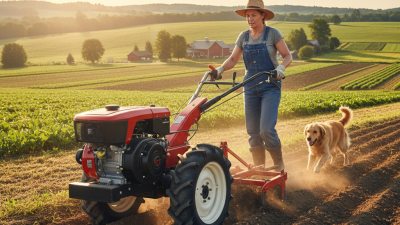
2026 Best Cultivator Mini Tiller for Small Farms
Small farms need equipment that fits their beds, soil, and working hours—not simply the largest engine available. The USDA Economic Research Service’s America’s Diverse Family Farms: 2023 Edition reports that small family farms account for about 89% of U.S. farms, yet produce around 21% of agricultural output. That difference matters. Many operators must make each purchase serve several jobs.
A Cultivator Mini Tiller can help prepare narrow rows, work compost into topsoil, and manage weeds between plantings. But soil changes the equation. A machine that moves easily through a dry, loose bed may struggle in damp clay or compacted ground. Handle comfort matters, too. A vibrating grip feels different after an afternoon of turning beds.
This guide compares mini tillers for small-farm use in 2026, focusing on working width, tilling depth, power source, weight, controls, and maintenance needs. It also considers transport and storage, because a useful tool must fit the shed as well as the field. No model is best for every farm. Any ranking that ignores soil type deserves a second look. Specifications can narrow the choices, but they cannot fully predict performance in a particular plot. Check current manufacturer details and local service options before buying.
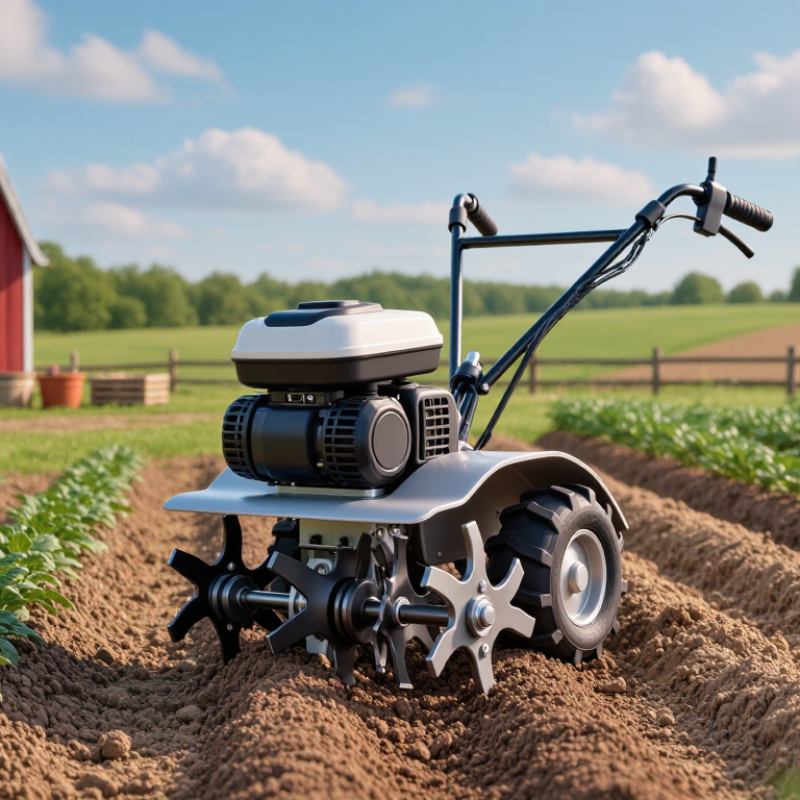
USDA ERS Definition: Small Family Farms Have Gross Income Below $350,000
For a small family farm, a mini tiller can help prepare vegetable beds, loosen compacted soil, and mix in compost. USDA ERS classifies small family farms by gross cash farm income below $350,000 per year. This is a farm-size category, not a recommended equipment budget or a measure of profit. A farm’s actual needs depend on acreage, soil, crops, and labor. A narrow machine may suit raised beds and tight rows, but it will not replace larger equipment for broad fields. That distinction is easy to overlook.
Tips: Check the tiller’s working width and weight against your bed spacing. In clay or rocky soil, make shallow passes rather than forcing the machine. Test a small patch first.
Before buying, estimate how often the machine will be used and where it can be stored. Compare its purchase price with rental costs, maintenance, and the time saved during planting season. A lighter tiller may be easier to turn at row ends, though it can struggle in dense ground. Soil conditions vary, even across one field. My own planning would leave room for that uncertainty rather than assuming one tool suits every task.
Mini Tiller Fundamentals: Compare Engine Type, Tine Width, and Working Depth
Choosing a mini tiller for a small farm means matching its engine, tine width, and working depth to real soil conditions. Gas engines can suit longer sessions and tougher ground, but they need fuel, maintenance, and room for exhaust. Battery models are quieter and simpler to start, though runtime and torque may limit work in dense or compacted soil. Neither option is best for every plot. Check the manual for recommended use and maintenance.
Tine width affects both coverage and control. A narrow tiller can move between raised beds and avoid nearby crops, but it takes more passes across open ground. Wider tines cover ground faster, yet may feel awkward around fence posts or tight turns. Measure your narrowest path before choosing. A few inches matter.
Working depth deserves a close look. A tiller’s listed maximum depth may not match what it reaches in dry, compacted soil. For mixing compost near the surface, modest depth may be enough; breaking new ground often calls for several gradual passes. Don’t force the machine. Soil moisture, roots, and stones can change its performance, sometimes more than the specifications suggest. Check tine condition and adjust depth gradually, then reassess the soil rather than assuming one setting will work everywhere.
2026 Selection Criteria: Match Tiller Capacity to Soil and Bed Size
For a small farm, the best mini tiller is not automatically the widest or most powerful. Match its working width to your beds: a narrow model can turn between rows without clipping seedlings, while a wider one covers open plots faster. Check the soil, too. Loose, previously worked ground needs less effort than compacted clay or soil packed with roots. A small engine may struggle in tough ground, even if the listed capacity looks suitable. Soil varies from bed to bed.
Tips: Measure your narrowest path and the beds you actually cultivate. Test a small patch before committing to a full pass. Watch how far the tines reach; excessive depth can bring up clods and disturb roots.
Capacity also depends on how long you plan to work. A lightweight tiller is easier to steer around short beds, but frequent pauses may make it a poor fit for larger plots. For rocky or compacted areas, prioritize steady control and a suitable tine design over advertised coverage alone. I would leave some room for uncertainty: last season’s soft soil may be firmer after a dry spell. Recheck conditions before each job, and avoid forcing the machine when it starts to bog down.
2026 Best Cultivator Mini Tiller for Small Farms
Selection criterion: match working width to bed size, then account for soil conditions.
These practical planning targets help keep a tiller within the bed while leaving room to maneuver: about 30 cm for narrow beds, 45 cm for standard beds, and 70 cm for broad beds. In compact or unworked soil, a narrower working width and slower passes can reduce strain. Check the tiller’s specifications and your actual bed dimensions before choosing; these are selection guidelines, not product test results.
Safe Operation and Care: Follow OSHA Guidance and Inspect Tines Regularly
A mini tiller can loosen a narrow bed quickly, but rotating tines demand attention.
Before each pass, read the operating instructions and make sure every operator knows the controls and emergency shutoff. Follow applicable OSHA guidance for training, guarding, and protective equipment in workplace settings. Wear sturdy footwear, eye protection, and hearing protection when the task calls for it. Keep bystanders several feet away; stones can fly farther than expected. Clear tangled weeds only after the engine is off, the machine is stable, and the starting system is disabled as directed by its instructions. No shortcuts here.
Inspect the tines before work and again if the tiller begins vibrating, pulling sideways, or leaving uneven strips. Look for bent or cracked metal, loose fasteners, packed soil, and missing guards. A flashlight helps reveal hairline damage in a dim shed. Replace damaged parts with suitable components, and tighten hardware to the specified setting. Never reach near moving tines to clear a blockage. I’ve found that a quick check can feel fussy when the soil is waiting, and that is exactly when it is easiest to skip. Keep a simple inspection note by the tool, especially when several people share it. After use, clean the tines safely and store the tiller where children cannot reach it.