Choosing the best Corn Harvester in China is not a contest of horsepower alone. China’s National Bureau of Statistics reported 294.92 million tonnes of corn production in 2024, underscoring the scale and diversity of the country’s harvesting needs. USDA’s World Agricultural Supply and Demand Estimates also tracks China as a major corn producer. These figures explain why machine choice matters, but they do not identify one universal winner.
A useful comparison starts in the field. Row spacing, plot size, soil moisture, terrain, crop lodging, and transport distance all affect performance. A large machine may clear broad, level fields quickly, yet struggle on smaller plots or tight headlands. Buyers should compare field capacity, grain loss, fuel use, service access, parts availability, and total ownership cost—not just catalogue specifications. The details matter.
Agricultural engineering scholar Luo Xiwen is associated with the principle that mechanization should suit local farming conditions. A concise paraphrase of that principle is: “The right machine must fit the field and the farming system.” This is a paraphrase, not a verified verbatim quotation. That distinction matters; expert words should not be presented as exact without a traceable source. The best choice, then, depends on measurable field results and dependable local support. A specification sheet cannot reveal every weakness. On wet ground, even an impressive machine may disappoint.
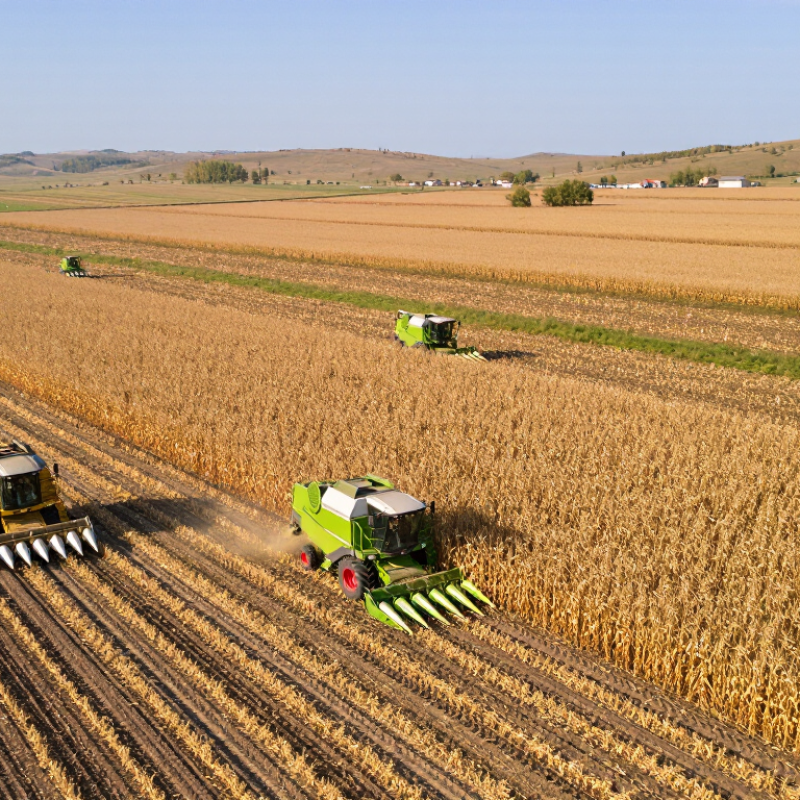
In China, corn harvesters are commonly classified by how they handle the crop. Ear-picking machines remove ears while leaving much of the stalk in the field. Grain harvesters thresh the kernels during harvest. This changes the work required after cutting. Kernel moisture, storage plans, and drying capacity matter. The National Bureau of Statistics reported 288.84 million tonnes of corn production in 2023. That figure shows the crop’s scale, but it does not describe local field conditions.
Machines are also grouped by mobility, row capacity, and terrain suitability. Self-propelled models are common on larger fields; mounted units may suit smaller plots or mixed farm work. Row capacity affects how quickly a machine can cover a field, but wider is not always better. Narrow headlands, uneven ground, and scattered plots can slow a high-capacity machine. The categories overlap. It can be easy to compare specifications and miss the farm’s actual layout.
Tips: Match the machine to harvest timing and the next step for the crop. Check turning space, ground clearance, and service access. Ask to see it working in a field with similar soil and row spacing. A quick demonstration helps, though one field cannot represent every season.
A corn harvester’s performance depends on more than engine power. Field size, row spacing, soil moisture, and access roads all affect daily work. A machine suited to broad, dry fields may struggle on soft ground or tight headlands. Fit matters.
Pay close attention to the header and gathering system. They should match local row spacing and feed stalks evenly, reducing missed ears and blockages. Adjustable cutting height helps when plants vary or fields are uneven. Check grain damage and harvest loss under real field conditions, not just advertised capacity. A practical test across several rows can reveal uneven feeding, excessive residue, or difficult controls. Small things count.
Power and capacity need to work together. A large header can save time, but only if the engine, threshing system, and unloading setup keep pace. Consider fuel use, turning space, cleaning access, and how quickly routine parts can be serviced. These details shape uptime during a short harvest window. No specification sheet captures every field condition. I would also allow for operator comfort and visibility; they are easy to overlook, yet long days make poor sightlines costly. Compare performance in the crops and terrain you actually manage.
| Performance dimension | What to measure or check | What strong performance looks like | Why it matters |
|---|---|---|---|
| Header and row compatibility | Number of rows harvested per pass; header adjustment range; compatibility with the field’s row spacing. | The header matches the planted rows and can be adjusted for the farm’s actual spacing and field conditions. | A poor match can cause missed plants, crop damage, or unnecessary turning and overlap. |
| Effective field capacity | Hectares harvested per hour under representative field conditions. A useful estimate is: working width (m) × speed (km/h) × field efficiency ÷ 10. | High measured capacity without excessive crop loss, grain damage, or blockage; compare machines in similar fields and crop conditions. | Theoretical capacity does not account for headland turns, interruptions, or other field delays. |
| Harvest loss | Collect and weigh ears or kernels left on the ground and plants after the machine passes; record results as a share of estimated crop yield. | Low, consistently measured loss across representative parts of the field, including headlands and uneven areas. | Loss can change with crop lodging, header setup, travel speed, and operator adjustment, so a field test is more informative than a brochure claim. |
| Grain damage and cleaning | Inspect a representative grain sample for broken kernels, foreign material, and unthreshed kernels. | Clean grain with damage and unthreshed material within the buyer’s or storage facility’s requirements. | Threshing and cleaning settings affect grain quality, and suitable settings depend on crop and moisture conditions. |
| Moisture and crop-condition tolerance | Check grain moisture and note lodging, stalk strength, weeds, and field variability during a demonstration. | Stable feeding and acceptable grain quality across the moisture and crop conditions expected on the farm. | Moisture and crop condition influence threshing, kernel damage, blockages, and the need for post-harvest drying. |
| Power, traction, and terrain fit | Assess engine capacity against the header and processing load; check traction, ground clearance, turning space, and soil conditions. | The machine maintains steady operation without persistent overloading and can move safely through the farm’s terrain and access routes. | A suitable match helps avoid unnecessary fuel use, wheel slip, soil compaction, and reduced field capacity. |
| Reliability and maintenance | Track operating hours, stoppages, maintenance time, and availability of routine wear parts during the harvest period. | Few unplanned stoppages, accessible service points, and practical access to maintenance support and parts. | Downtime during a short harvest window can reduce seasonal output even when nominal machine capacity is high. |
| Whole-season operating cost | Compare fuel, routine maintenance, repairs, labor, transport, and depreciation per harvested hectare. | A competitive cost per hectare while meeting the farm’s requirements for capacity, grain quality, and reliability. | Purchase price alone does not show the cost of operating the machine over a full season. |
| Selection takeaway: There is no single best corn harvester for every farm. Choose based on a field demonstration using the farm’s row spacing, crop conditions, terrain, required harvest capacity, grain-quality requirements, and access to service. | |||
The best corn harvester depends on the crop, field layout, and harvest plan. Chinese equipment commonly includes self-propelled machines and tractor-pulled harvesters. Some models collect grain directly, while others gather ears or chop stalks for later handling. Self-propelled units suit larger fields and can cover ground quickly. Tractor-pulled types may cost less and fit farms that already own suitable tractors. The trade-off is real.
Manufacturers in China range from large agricultural machinery producers to regional equipment builders. Some focus on complete harvesters; others make attachments or machines for specific crop conditions. Compare more than engine power. Check compatible row spacing, header width, turning radius, grain-cleaning performance, and how the machine handles wet or lodged plants. Ask to see a field demonstration using similar soil and crop maturity. A brochure cannot show every clog or adjustment delay. That matters.
Tips: Measure field access and row spacing before choosing. Confirm local parts availability, service response, and routine maintenance costs. If possible, inspect harvested grain and stalk residue after a trial run.
Choosing a corn harvester in China depends on field size, row spacing, terrain, and crop moisture.
For small farms with narrow or irregular plots, a compact one- or two-row machine can turn more easily and need less storage space. The trade-off is slower coverage during a short harvest window. Check the row spacing.
Medium farms often benefit from self-propelled machines with wider headers, provided fields and access roads can accommodate them. Larger machines can cover extensive, level fields efficiently, but need room to turn and a steady system for unloading and transporting grain.
Not always.
A wider header is not automatically better if plots are fragmented or roads are tight.
For hilly land, stability, ground clearance, and traction deserve close attention. In wet conditions, soil pressure matters; heavy equipment can rut soft ground and complicate later fieldwork. Ask how performance changes with lodged stalks or damp ears, not only under ideal conditions.
Treat advertised capacity as a best-case figure: turning, blockages, and unloading all consume time. Compare local parts availability, maintenance support, and operator training alongside purchase price. A machine that fits the field and can be serviced nearby may outperform a larger option that spends harvest days waiting for repairs.
There is no single best corn harvester for every operation. Start with your field size, row spacing, terrain, and expected harvest volume. A compact machine may suit small plots with narrow access, while larger fields can justify greater capacity. Check the machine’s working width against your actual rows. Fit matters. Consider crop conditions, too: lodged stalks and uneven ground can slow harvesting and increase losses. A specification sheet cannot show how smoothly a machine handles wet patches or tight headlands, so request a field demonstration when possible.
Tips: Measure row spacing and gate width before comparing models. Ask for fuel-use figures under similar field conditions. Watch harvested rows for missed ears and damaged kernels.
Also check parts availability, maintenance access, and operator training. Ask how often routine service is needed, and whether common wear parts are easy to inspect. Compare total operating cost, not just purchase price. A machine with higher capacity may save time, but only if your fields and transport setup can keep it working. Be cautious with impressive output claims; crop moisture, field shape, and operator skill all affect results. The right choice may involve a compromise, and that is worth reviewing before purchase.