Why Choose the Best Well Pump for Your Water Needs?
Selecting the right well pump is crucial for meeting your water needs efficiently. A high-quality well pump ensures consistent water supply and minimizes future maintenance issues. However, not all well pumps are created equal. Understanding your specific requirements can help you avoid costly mistakes.
Factors like well depth, water demand, and pump type are essential when making your choice. An inappropriate pump can lead to inconsistent water pressure or even mechanical failures. With various options available, it’s easy to feel overwhelmed. Many homeowners rush this decision, leading to long-term headaches.
Investing time in research is vital. Expertise in well pump specifications and performance can save you money in the long run. Professional consultation may be needed to assess your unique situation. With the right well pump, you can ensure reliability and longevity for years to come.
Understanding Different Types of Well Pumps for Your Needs
When choosing a well pump, understanding the different types available is crucial.
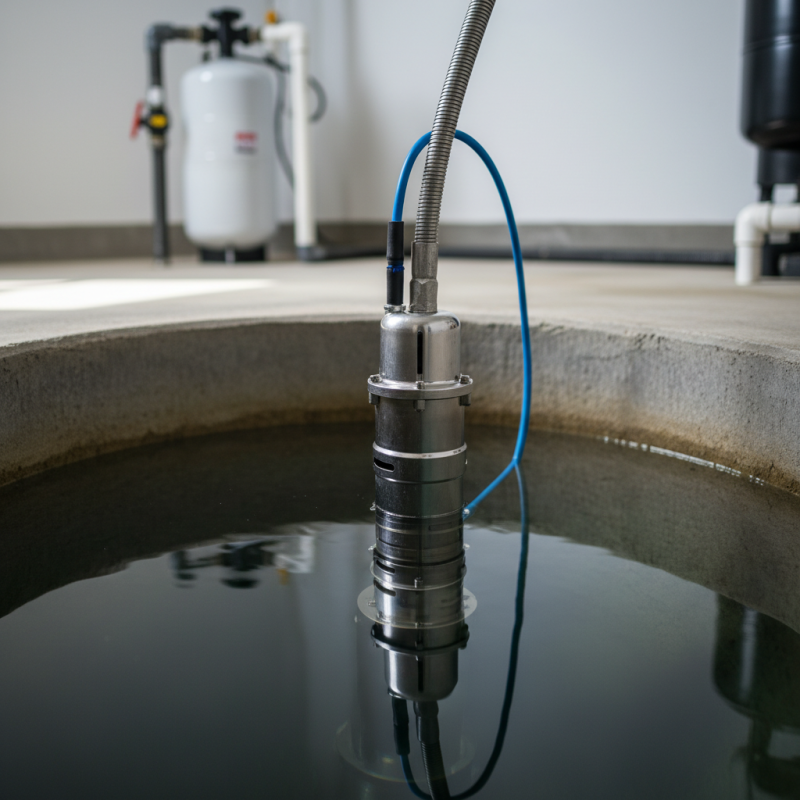
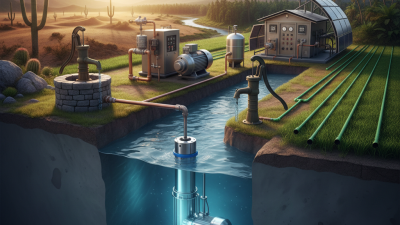
Submersible pumps are popular for deep wells.
They are efficient and work well underwater, providing consistent water pressure.
However, they can be difficult to access for repairs, which can lead to challenges for homeowners who prefer DIY maintenance.
On the other hand, jet pumps are more accessible.
They are placed above ground and work best for shallow wells.
Their ease of installation can be a plus, but they may not be suitable for deep sources.
This can limit water output for larger households.
Buyers need to weigh the pros and cons carefully, considering their specific needs.
Solar-powered pumps offer an eco-friendly option.
They require less electricity and are sustainable.
The drawback is their dependence on sunlight, which can be inconsistent.
Homeowners must assess their local climate before investing.
Each pump type presents unique benefits and challenges.
It's essential to match the pump to your water needs realistically.
Factors to Consider When Choosing a Well Pump
Choosing the right well pump is crucial for meeting your water needs. There are several factors you should consider. First, determine the depth of your well. This greatly impacts the pump type you need. Deeper wells may require submersible pumps, while shallow ones can use jet pumps.
Next, assess your water demand. Think about daily usage, peak times, and the number of fixtures in your home. Understanding your household's needs helps ensure efficiency. Also, pay attention to the pump's flow rate and pressure capabilities. A pump that cannot meet your demands can lead to frustration.
Lastly, consider the material and durability of the pump. Pumps made from high-quality materials last longer and require fewer repairs. Review installation requirements and maintenance needs. A poorly installed pump can lead to inefficiencies and costly repairs. Reflect on these factors carefully; making the right choice requires thoughtful consideration.
Why Choose the Best Well Pump for Your Water Needs? - Factors to Consider When Choosing a Well Pump
| Factor |
Description |
Importance Rating (1-5) |
| Pump Type |
Determines the method of water extraction (submersible, jet pump, etc.). |
5 |
| Water Depth |
The depth of the water source to determine suction height. |
4 |
| Flow Rate |
The amount of water the pump can deliver in a certain time period. |
5 |
| Power Source |
Electricity, solar, or gas powered. |
3 |
| Material Quality |
Durability and resistance to corrosion. |
5 |
| Installation Requirements |
Complexity and type of installation needed. |
4 |
| Maintenance Needs |
Frequency and type of maintenance required. |
4 |
| Cost |
Initial purchase price and long-term operating costs. |
5 |
The Importance of Pump Size and Capacity for Water Supply
Choosing the right pump size and capacity is crucial for meeting your water needs effectively. A well-sized pump ensures efficient water delivery. Research indicates that improper sizing can lead to a drop in water pressure and increased energy costs. According to the Water Systems Council, 80% of homeowners experience issues due to incorrectly sized pumps.
Capacity determines how much water a pump can deliver. This is especially important for households with high water usage. In fact, the average American family uses about 300 gallons of water daily. Oversized pumps can waste electricity and lead to short cycling, which can ultimately reduce the lifespan of the pump. On the other hand, undersized pumps may struggle to meet demand.
Understanding your specific water needs is vital. Consider the number of fixtures and your irrigation requirements. A detailed analysis ensures that your pump operates optimally. Electric costs and maintenance become significant if dimensions are not carefully evaluated. Industry experts recommend consulting a professional when selecting pump systems. Balancing capacity with your actual usage can save money and resources in the long run.